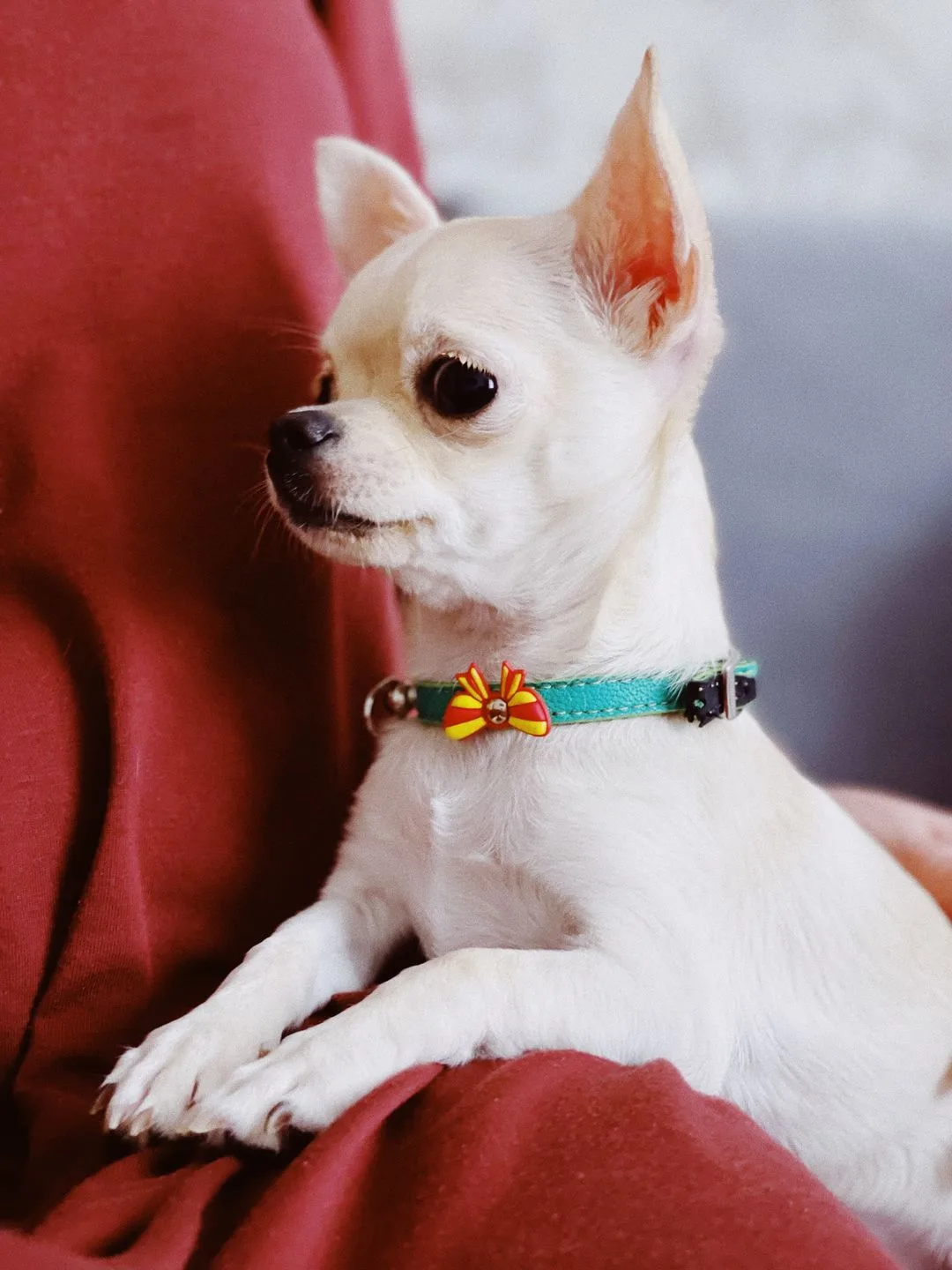
Here is a pattern I wish I could unsee. A chihuahua gets adopted in January; the same chihuahua is back on the shelter's website in April, and the intake notes say more than the surrender form ever will. Barks all day. Doesn't like my partner. Harder than expected. None of that is the dog failing. It is homework that did not get done, and the dog paid the late fee.
So consider this the homework, five questions long. Answer them honestly before you fill out an application, and you will be doing more for shelter chihuahuas than most donation drives manage; the adoption that sticks is the one that empties a kennel for good.
Quick answer: Five questions decide whether a chihuahua adoption lasts: whether you accept that small does not mean low-effort, whether an adult with a visible personality suits you better than a puppy, whether your household works for the dog (school-age children yes, toddlers only with gates and full supervision), whether your budget covers dental work and the anesthesia it needs, and whether the bond you are signing up for is one you want. An adult rescue with a known temperament is usually the easiest first chihuahua.
1. You are signing up for fifteen years, give or take
The American Kennel Club puts the breed's expected span at fourteen to sixteen years, and plenty of chihuahuas sail past it. Adopt a two-year-old today and you are making plans for a dog who will still be here when today's toddlers are learning to drive. That is the glory of the breed and the fine print at once; the small dog is a long dog.
Look at the next fifteen years of your life honestly, the moves, the jobs, the maybe-children, and ask whether a four-pound shadow fits all of it. An adult or senior adoptee shortens the math, by the way, and the case for the seniors is stronger than most people think.
2. The bond is the job description
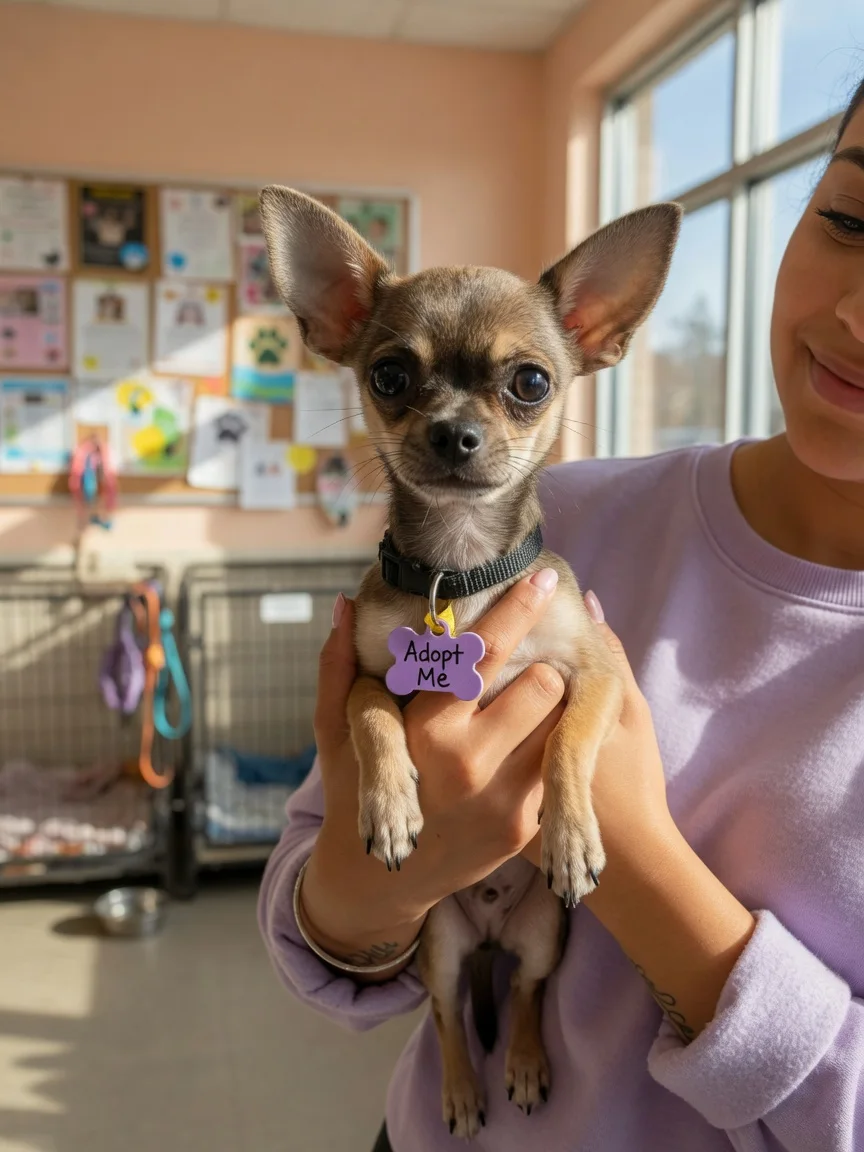
Chihuahuas were bred for companionship; not herding, not guarding, you. In practice that means a dog that picks a person and reports for duty daily, the full velcro experience: the lap, the hoodie, the escort service to the bathroom. If you work away from home ten hours a day and nobody else is around, this is the wrong breed, and no amount of toys fixes it. If you work from home, congratulations; you are about to acquire a supervisor.
3. Four pounds is a physics problem
At the heart of most chihuahua heartbreak is a simple mismatch of scale. A leap off a couch arm can fracture a foreleg; a toddler's stumble can do worse; a big dog's cheerful body slam can be fatal. None of this makes the breed unadoptable for families, but it makes the household audit non-negotiable. Sturdy-dog homes with roughhousing kids and a boisterous Labrador need to be honest about it. Our no-illusions briefing on the breed covers the ramps, the gates, and the check-before-you-sit rule; read it before the application, not after.
4. The barking is real, and it is trainable, and it is real
Somewhere between the myth of the yappy ankle-biter and the fantasy of the silent purse dog lives the actual chihuahua: an alert, opinionated alarm system that announces doorbells, delivery trucks, and suspicious leaves. We have written about where the reputation comes from, and the short version is fear plus no training. Budget for both; a few minutes of daily work, real rewards, and patience through an adjustment period measured in weeks. Renters in thin-walled buildings should think hardest here, and then read our apartment barking guide anyway.
5. Where you get the dog decides someone's fate
The shelters of the South and Southwest are full of chihuahuas; the ASPCA's adoption resources will show you more adoptable small dogs than you can scroll through in an evening, and our guide to adopting a rescue explains the pipeline that moves them north. The parking-lot litter and the online seller, meanwhile, are how the surplus got made. Adopting an adult from a shelter has a practical bonus nobody advertises: the personality is already installed and visible. You are not guessing who the dog will become. She is right there, telling you. Honesty in the listing works both ways, and the blunt 2021 ad that called its dog a gremlin found the right household in weeks.
Frequently asked questions
Is a chihuahua a good dog for a first-time owner?
Often yes, provided the owner accepts that small does not mean low-effort. The training needs are real, the bond is intense, and the fragility demands management. An adult rescue with a known temperament is usually the easiest first chihuahua.
Should I adopt a puppy or an adult chihuahua?
Adults are the underrated choice. You skip house-training triage, you see the actual personality before committing, and adult small dogs wait longest in shelters. Puppies demand months of socialization work that decides the entire adult temperament.
Can I adopt a chihuahua if I have young children?
With school-age kids who can follow handling rules, yes, and it can be excellent. With toddlers the risk runs in both directions, and most rescues will say so plainly. Gates, supervision, and a dog-only zone are the minimum entry fee.
How much does owning a chihuahua actually cost?
Less than a big dog to feed, the same or more at the vet; small breeds mean dental work, and dental work means anesthesia budgets. Plan for routine care, a dental cleaning fund, and insurance or savings for the surprise. The adoption fee is the cheapest part of the dog.
The five questions have one thing in common: they are all about you, not the dog. The dogs have already done their part of the paperwork; they are sitting in kennels from Bakersfield to Baltimore with their ears up. Answer honestly, and if the answers say yes, go meet one. Somewhere in the small-dog row there is a four-pound animal who has been waiting, with more patience than the species deserves, for your particular footsteps in the aisle.


No comments yet
Leave a comment