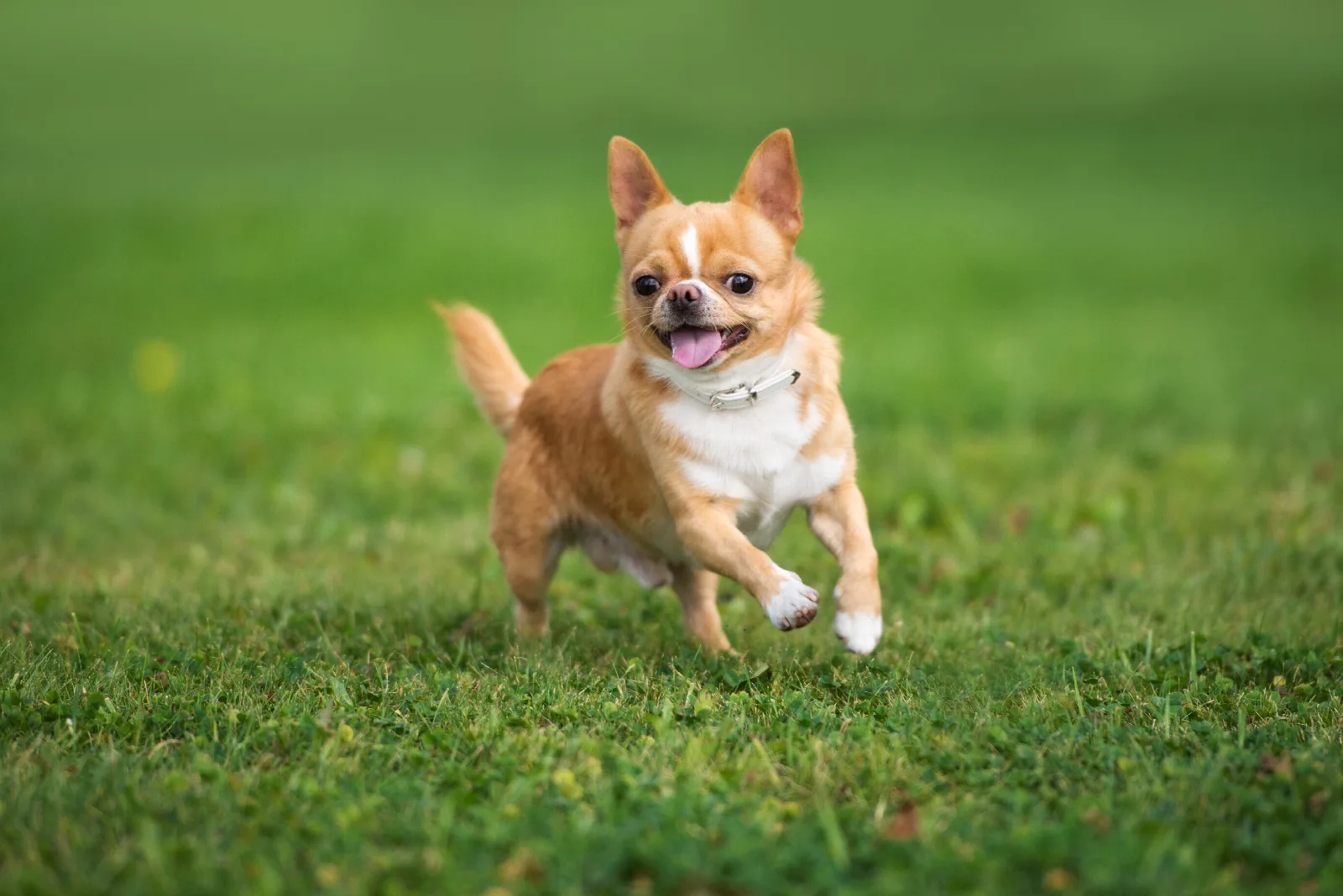
It usually starts as a sound you cannot quite place: a honk during excitement, a dry hack after the leash tightens, a soft nighttime cough you notice because the house is quiet. An occasional cough that clears a tickle is nothing. A cough that repeats, follows a pattern, or arrives with other changes is a message, and in chihuahuas the list of likely senders is short enough to learn.
Before anything else, one practical instruction that veterinarians genuinely appreciate: record it. A ten-second phone video of the episode, with the sound clearly audible, tells a clinic more than any written description, because with coughs the sound itself is a diagnostic clue.
Quick answer: An occasional cough that clears a tickle is nothing; a cough that repeats or follows a pattern is a message, and in chihuahuas the shortlist is short enough to learn. A honk during excitement or on a tight leash is the classic sign of tracheal collapse, so switch to a body harness and have it assessed. Honking snorts that end within a minute are usually harmless reverse sneezing. Labored breathing, pale or blue gums, or collapse during a coughing fit is emergency care now.
The goose honk: tracheal collapse
If the cough sounds like a goose honking, especially during excitement, pulling on a collar, or drinking, the first suspect in this breed is tracheal collapse. The trachea, the windpipe, is held open by rings of cartilage; in many small breeds those rings soften with age and the airway flattens during fast breathing. The Merck Veterinary Manual describes the classic pattern: a dry, honking cough in a small middle-aged dog, worse with excitement, heat, or pressure on the throat.
Two owner-side measures matter immediately. Switch from a collar to a body harness, because leash pressure on the throat is a direct trigger; and keep weight lean, because extra tissue around the airway makes every episode worse. Mild cases are often managed for years this way alongside veterinary care. This is also one of the three conditions in our watch-for guide, which covers it in more depth.
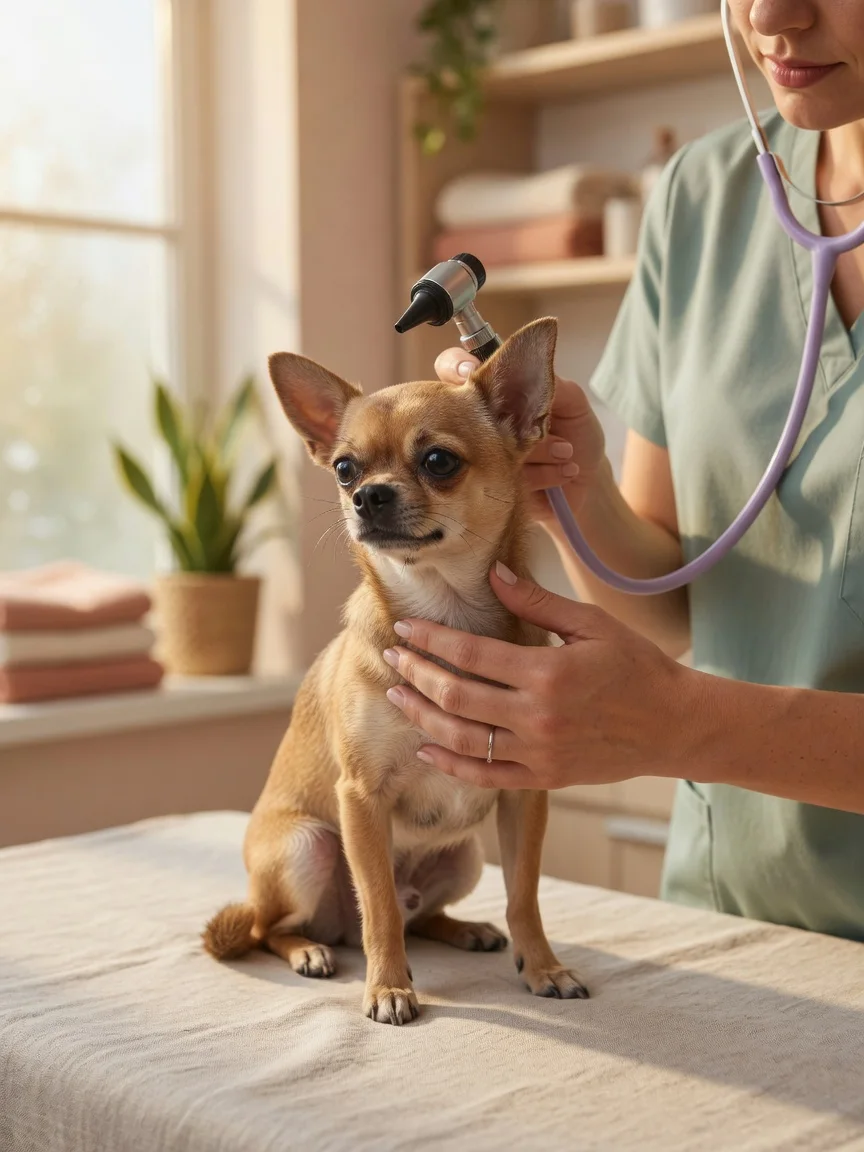
The boarding-week cough: kennel cough
A sudden, dry, hacking cough, sometimes ending in a retch, a few days after boarding, grooming, daycare, or a dog park usually points to kennel cough, known clinically as infectious tracheobronchitis, a contagious airway infection. According to the Merck Veterinary Manual, most uncomplicated cases in otherwise healthy adult dogs resolve within a few weeks, but small dogs, puppies, and seniors are the group where complications happen, so a call to your veterinarian is still the right move. Keep a coughing dog away from other dogs; it spreads exactly the way it sounds like it would.
The quiet night cough: the heart
In senior chihuahuas, a soft cough at night or at rest, a new reluctance on walks, faster breathing while sleeping, or tiring easily can point toward heart disease, most often a valve that leaks with age. This cough is easy to dismiss because it is undramatic; it is also the one where early detection buys the most. If your senior has a new resting cough, count breaths during sleep for a minute, note the number, and book an exam this week. Our senior care guide covers the monitoring side of living with an aging heart.
The impostor: reverse sneezing
Half of the coughing chihuahuas on the internet are not coughing. Reverse sneezing, a spasm of the throat that produces dramatic snorting, honking inhales with a stiff, braced posture, is common in small breeds, looks alarming, and typically passes within a minute; we describe it in the owner's briefing because it frightens nearly every new owner once. Film an episode and show your veterinarian to confirm. Frequent episodes are worth discussing; occasional ones are usually just the breed's plumbing.
The rest of the list
Less common but real: foreign material or grass awns, allergic airway irritation from smoke or dust, pneumonia (usually with lethargy and fever), and heartworm disease, which is preventable with routine medication and worth asking about at your next visit if your dog is not already on prevention. Persistent coughs deserve a proper workup rather than a guess; chest X-rays and a listen with a stethoscope sort this list quickly.
When to call your veterinarian
Emergency care now: laboured or open-mouth breathing, blue, grey, or very pale gums, collapse during a coughing fit, or continuous coughing that will not settle. Same-day call: a cough with lethargy, fever, appetite loss, or in a puppy; a senior with a new resting cough and elevated sleeping breathing rate. This-week appointment: any cough persisting past a few days, a honking cough that is becoming more frequent, or a suspected kennel-cough exposure. Monitor at home: a single episode with an obvious cause, or confirmed reverse sneezing at its usual occasional rate. If you are the one who is ill, your head cold almost certainly stays with you, because those viruses are keyed to human cells.
Frequently asked questions
Why does my chihuahua cough when excited or pulling on the leash?
Excitement and throat pressure are the classic triggers of tracheal collapse, the breed's signature honking cough. Switch to a body harness immediately and have the cough assessed; early management is mostly weight, harness, and avoiding trigger situations.
Does kennel cough go away on its own?
In many otherwise healthy adults it resolves within a few weeks, but chihuahuas, puppies, and seniors are the higher-risk group, so call your veterinarian rather than waiting it out. Keep the dog isolated from other dogs while it coughs.
My chihuahua makes honking snorts and freezes. Is that coughing?
Probably reverse sneezing, a harmless throat spasm common in small breeds that ends within a minute. Film it once for your veterinarian to confirm, and mention it if episodes become frequent or longer.
When is a chihuahua's cough serious?
When breathing becomes difficult, gums lose their pink color, the dog collapses, or the cough comes with fever, lethargy, or appetite loss. Those combinations mean now, not next week. A cough that simply persists past a few days earns an appointment on ordinary urgency.
A cough is one of the few symptoms that arrives with its own audio evidence, so use that. Record the sound, note when it happens, count the sleeping breaths if the dog is older, and hand the whole file to your veterinarian. Chihuahua coughs have a short list of causes, and every one of them is easier to manage the earlier it is named.

No comments yet
Leave a comment