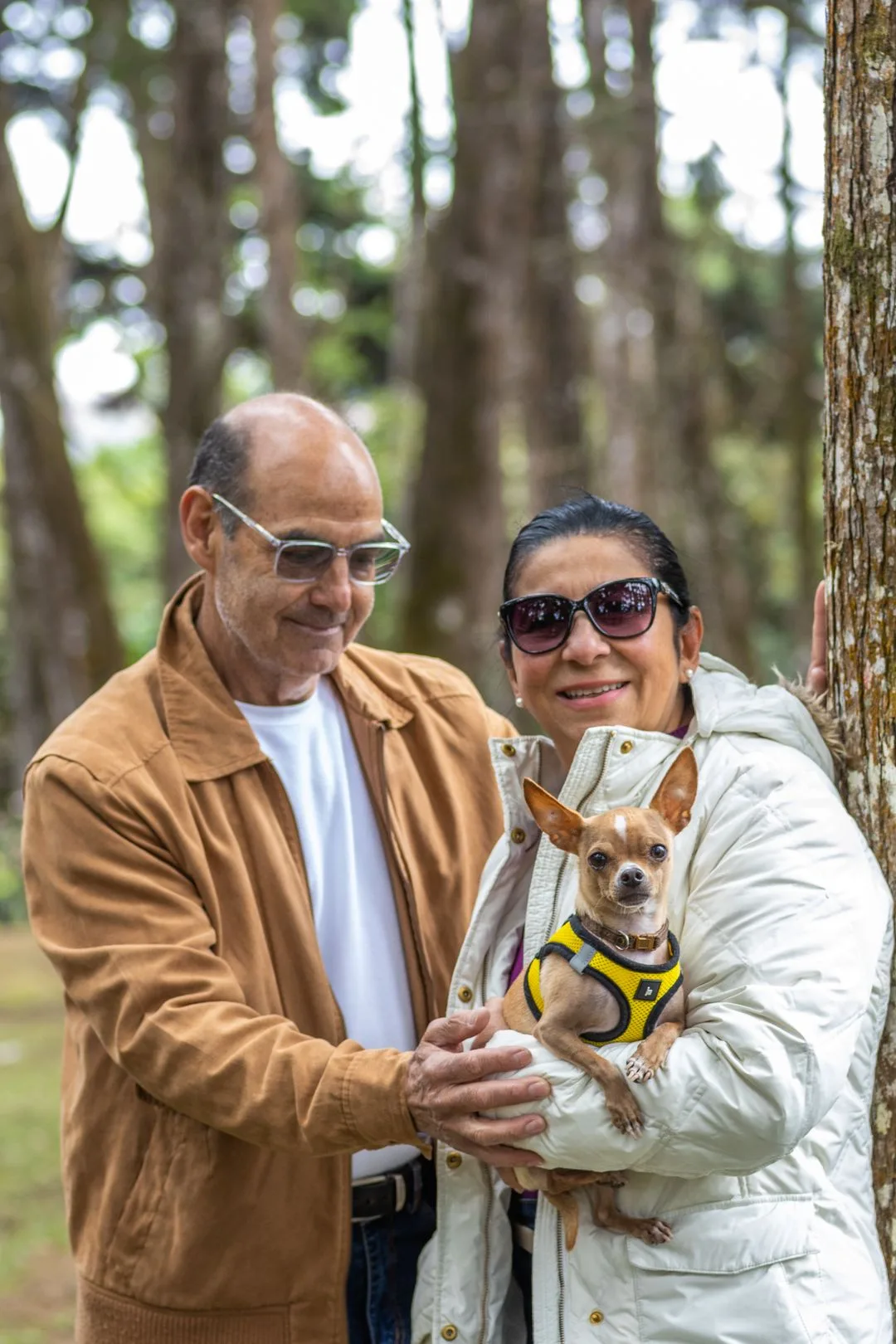
Of all the folklore attached to this breed, the asthma legend is the most persistent: the belief that bringing a chihuahua into the house will cure a child's asthma, in some tellings by the dog absorbing or drawing the disease into itself. It has circulated for at least a century, it still surfaces in comment sections weekly, and it deserves a respectful, honest burial. So: no. A chihuahua cannot cure, absorb, or take asthma. And the fuller story, which includes why the legend felt true and what allergic dog lovers can actually do, is more useful than the one-word answer.
Quick answer: No. A chihuahua cannot cure, absorb, or take on asthma. The legend traces to families historically moving to warm, dry regions for a child's asthma in the same era those regions were the heartland of the breed, plus the fact that childhood asthma often improves with age. No dog is hypoallergenic either, since the allergens live in dander, saliva, and urine rather than hair. Many people with asthma do keep dogs successfully, by building the plan with an allergist.
Where the legend came from
The myth grew up alongside the breed's history in the American Southwest and Mexico, and its staying power probably owes to a coincidence of timing and climate. Families historically moved to warm, dry regions for a child's asthma in the same era those regions were the heartland of the chihuahua; a dog acquired around the move got credit for improvement the climate and time delivered. Add that childhood asthma often genuinely improves with age, and every era supplies testimonials: we got the dog, and two years later the wheezing was better. The dog was present for the improvement. Presence is not mechanism.

What is actually true about chihuahuas and allergies
Here the news gets less convenient. Chihuahuas are not hypoallergenic, because no dog is: the allergens are proteins in dander, saliva, and urine, not the hair itself, so coat length and shedding volume do not decide the matter. The American Kennel Club's discussion of hypoallergenic breeds is candid on this, and the Asthma and Allergy Foundation of America makes the same point from the patient's side.
A chihuahua's small size does mean a smaller total output of dander than a large breed produces, which some allergic households find makes a practical difference. That is a matter of amount, not kind, and an allergic immune system can object to a four-pound dog with complete conviction.
As for the appealing research thread that children raised with dogs may have lower rates of some allergies, it is real science, it is interesting, and it is not a treatment plan. The findings concern early-life exposure and prevention odds across populations, not curing an existing condition in one child. Anyone weighing it belongs in a pediatrician's or allergist's office, not a breeder's living room.
Living with a chihuahua when someone wheezes
Plenty of allergic and asthmatic people share homes with dogs; they just do it deliberately. The professional playbook, laid out by allergist organizations like the American College of Allergy, Asthma and Immunology, starts with the step people skip: testing, to confirm the dog is actually the trigger, since a household usually contains several candidates.
From there, the standard measures: the bedroom as a dog-free zone, since the eight sleeping hours drive a large share of exposure; HEPA filtration where the humans and the dog overlap; hard floors and washable fabrics over carpet where feasible; hand-washing after handling; someone non-allergic on brushing duty, outdoors; and regular bathing and coat care for the dog, which also serves the skin-health goals in our skin guide. Allergists also have patient-side options, from medication to immunotherapy, which is exactly why the allergist, not the internet, runs that half of the plan.
One boundary matters for a family already managing asthma: trial before commitment. Time with the specific dog, ideally including indoor time, tells you more than any breed list, because individual dogs and individual immune systems vary. Rescues and fosters, covered in our fostering guide, make that trial genuinely possible.
What the dog does honestly offer
Companionship has real, measurable effects on stress and daily routine, and for some people with chronic conditions a dog is a powerful reason to walk, regulate schedules, and breathe outside air daily. Those are genuine goods. They are supports, not treatments, and a chihuahua asked to be a family member does that job superbly without being drafted into medical claims no dog can honor.
When to call your veterinarian, and when your own doctor
This topic splits the usual section in two. Your physician or allergist: any asthma plan involving a pet, worsening symptoms after a dog joins the household, or interest in testing and immunotherapy; asthma management is medicine, full stop. Your veterinarian: the dog-side half, since a chihuahua who is itchy, flaky, or over-shedding puts more allergen into the air, and treating her skin, parasites, and coat, per the parasite guide and skin guide, is an underrated part of the household plan.
Frequently asked questions
Can a chihuahua really cure asthma?
No. The legend is old and sincerely held, but no dog can cure or absorb a human disease. Asthma is managed by physicians, and the century of testimonials traces back to coincidences of climate, timing, and childhood asthma's natural course.
Are chihuahuas hypoallergenic?
No dog is. The allergens live in dander, saliva, and urine rather than hair, so short coats and small size change the amount, not the fact. A small dog may be more manageable for some allergic households, and individual reactions vary enough that time with the specific dog is the only meaningful test.
I have asthma and love chihuahuas. Can I have one?
Many people in your position do, successfully, by building the plan with an allergist: confirm the trigger, keep the bedroom dog-free, filter and clean strategically, groom the dog well, and use the medical options your specialist offers. Deliberate beats hopeful, and a trial period beats both.
Do kids who grow up with dogs get less asthma?
Population studies point at lower rates of some allergic conditions with early-life pet exposure, and researchers are genuinely interested in why. That is prevention-odds science, not a treatment for an existing condition, and how it applies to your child is precisely a pediatrician conversation.
The legend gave the breed a strange, sweet job it never asked for. Retire it with thanks, hand asthma back to the doctors, and let the chihuahua do the work she actually excels at: being the loudest four pounds of companionship in medicine-adjacent history.




No comments yet
Leave a comment