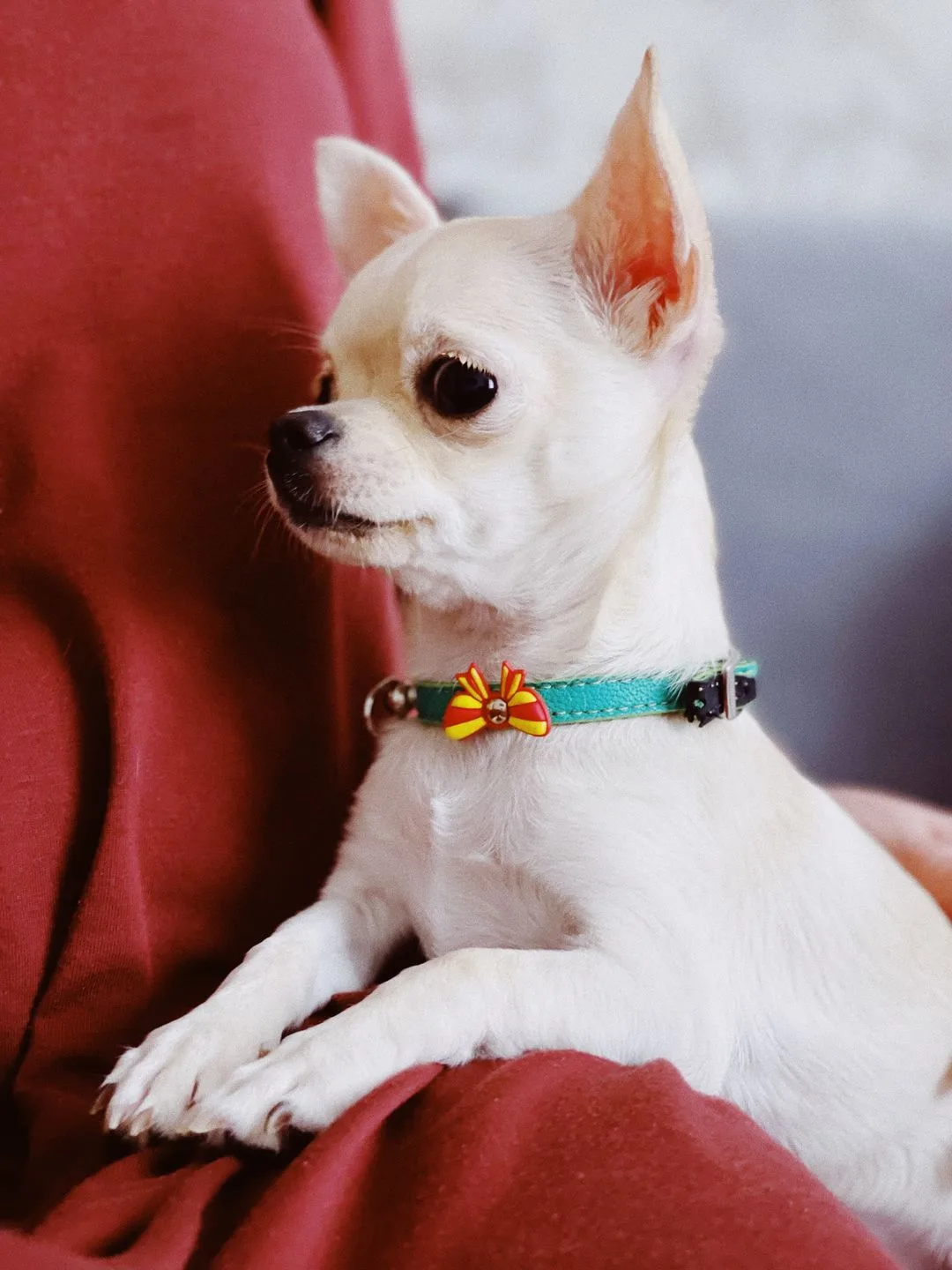
The short answer is yes, with conditions that matter more than the answer does. A chihuahua asks for less walking than almost any other dog, weighs less than the bag of sugar in the cupboard, and would rather spend the day on the nearest lap. For someone with time, a fixed budget, and knees that have started filing complaints, those are genuine advantages.
The complications are equally genuine, and they cluster in three places: what a four-pound dog does to the floor you walk on, what fourteen or more years of ownership looks like from seventy-five, and what happens to her if you go first. The American Kennel Club's guidance on dogs for older adults sets the right test: the deciding factor is not age but lifestyle and the physical ability to care for a dog. This is that test, applied to this breed.
Quick answer: Yes, with conditions that matter more than the answer. A chihuahua asks for less walking than almost any other dog and would rather spend the day on the nearest lap, which suits a fixed budget and complaining knees. The complications cluster in three places: a four-pound dog underfoot is a genuine trip hazard, fourteen or more years is a long commitment from seventy-five, and there is the question of what happens to her if you go first. An adult rescue usually beats a puppy here.
What the breed genuinely offers a retiree
Start with the exercise budget, because it is the main reason this breed keeps turning up on retirement-community sofas. The AKC's breed-fit assessment is direct: chihuahuas "require minimal exercise and are happy to curl up in their owner's lap," and the breed makes "an especially ideal pet for city dwellers." Two short walks and some indoor play covers most adults, the full arithmetic being in our exercise guide.
She is light enough to lift with one arm and carry through a waiting room, cheap to feed, and small enough that a one-bedroom apartment is a reasonable territory rather than a compromise, the premise of our apartment kit. She is also, per the AKC, eager to please and easy to train, which matters when the training happens from a chair.
The floor problem
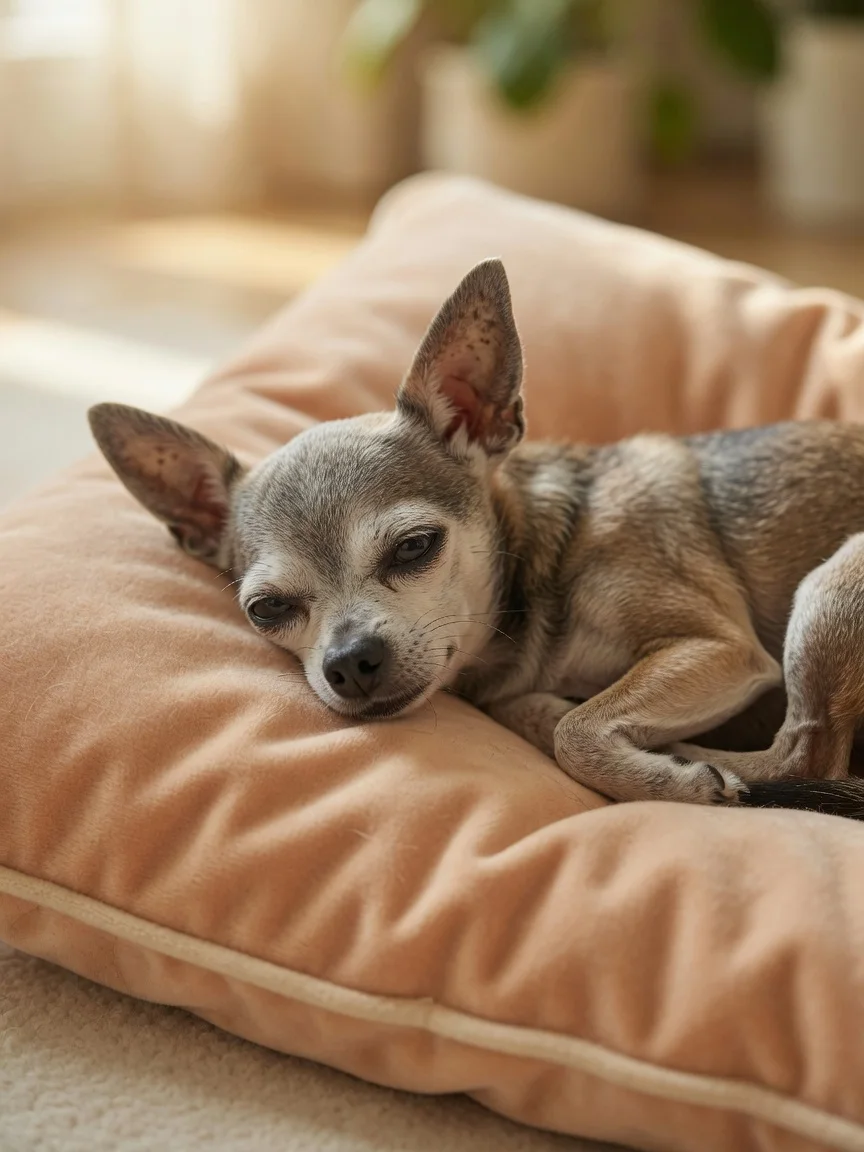
This is the caveat nobody puts in the brochure. Falls are the leading cause of injury among adults aged 65 and older in the United States, and about 27.5% of them reported at least one fall in 2018, per the CDC's Morbidity and Mortality Weekly Report, which counted roughly 8.4 million fall-related injuries that year.
Pets are one contributing variable among many: a CDC analysis published in the same weekly report on March 27, 2009 estimated that about 86,600 fall injuries treated in American emergency departments each year involved cats or dogs, with fracture rates highest among people over 75.
A chihuahua is a small dog with a large habit of walking directly under the feet she is following, the tendency our velcro chihuahua guide covers. None of that argues against the breed. It argues for managing it: keep hallways and the route to the bathroom clear and lit, move her bed and bowls off the main walking lines, teach a reliable wait at doorways and at the top of stairs, and consider a collar bell so you can hear where four pounds of silence is standing. The risk runs both ways, incidentally. A stepped-on chihuahua is a fracture case herself.
Hands, ears, and the daily jobs
Small-dog ownership is a fine-motor sport. The weekly list includes clipping a harness onto a wriggling animal, trimming nails the size of a grain of rice, brushing teeth in a mouth built for a smaller skull, and, later on, splitting pills into quarters. Arthritic hands, tremor, or reduced vision make each of those harder, and the honest question is not whether you can do them today but whether you have a plan for the year you cannot: a groomer, a mobile vet, a neighbor, a family member with a standing appointment.
The second issue is sound. The AKC states plainly that chihuahuas are "a very vocal breed" and that owners should expect frequent barking regardless of training. Training reduces it substantially, as our barking guide sets out, but in a retirement community or a building with a noise clause, reduced and silent are different words, and the lease is worth reading before the adoption paperwork.
The fourteen-year question
This is where the decision usually turns. VCA Animal Hospitals puts the smooth-coat chihuahua's life expectancy at 14 to 18 years, among the longest of any dog, and our lifespan guide covers what pushes a dog toward the top of that range. A puppy adopted at 72 may still be alive when you are 90.
That is not a reason to say no. It is a reason to answer the question the American Veterinary Medical Association puts to every prospective owner, which is to "consider not just short-term absences, but also what might happen if your pet outlives you, and plan accordingly for your pet's care."
In practice that means three things written down rather than assumed: a named person who has agreed, out loud, to take her; money set aside through a pet trust or a provision in a will; and a one-page file listing her vet, her medications, her food, and her habits. Families improvise badly under grief, and a page of instructions is the difference between a chihuahua who moves house and one who moves to a shelter.
Frequently asked questions
Is a puppy or an adult chihuahua better for a retiree?
An adult, in most cases. A grown chihuahua arrives with a known temperament, a settled bladder, and no teething phase, and a rescue can tell you whether she barks at doorbells or tolerates grandchildren. Adopting at four or seven also shortens the commitment to something you can plan around, and our rescue adoption guide walks through the process.
Are chihuahuas too fragile for visiting grandchildren?
Not too fragile, but too small for rough handling: the AKC notes the breed is not generally recommended for homes with young children, because chihuahuas are too small for roughhousing. Supervised visits work when the rules are set before the children arrive, meaning no picking her up, no chasing, and an exit route to a bed she can reach on her own.
How much should I budget for a chihuahua's care?
Food and grooming sit at the cheap end of dog ownership at this size. Veterinary care does not. Dental disease and knee problems are common in the breed, dental cleanings require anesthesia, and a long-lived dog eventually becomes a dog on monthly medication. Budget for annual exams, periodic dental work, and either an emergency fund or insurance taken out while she is young.
What if my mobility changes after I adopt her?
Most of it is solvable with equipment and help rather than rehoming: a step-free indoor potty setup, a lightweight harness with an easy clip, a dog walker or family member for the daily outing, and a mobile vet for routine care. Raise it with your veterinarian early, because these adaptations are easier to arrange before they become urgent.
So: a good fit, and a specific one. A chihuahua suits a retiree who wants close company more than a walking companion, who can keep a floor clear and a lease quiet, and who is willing to write down what happens to her afterward. The breed asks for very little space and a great deal of proximity, a trade most people at this stage of life are glad to make. Get the plan on paper first, then get the dog.




No comments yet
Leave a comment