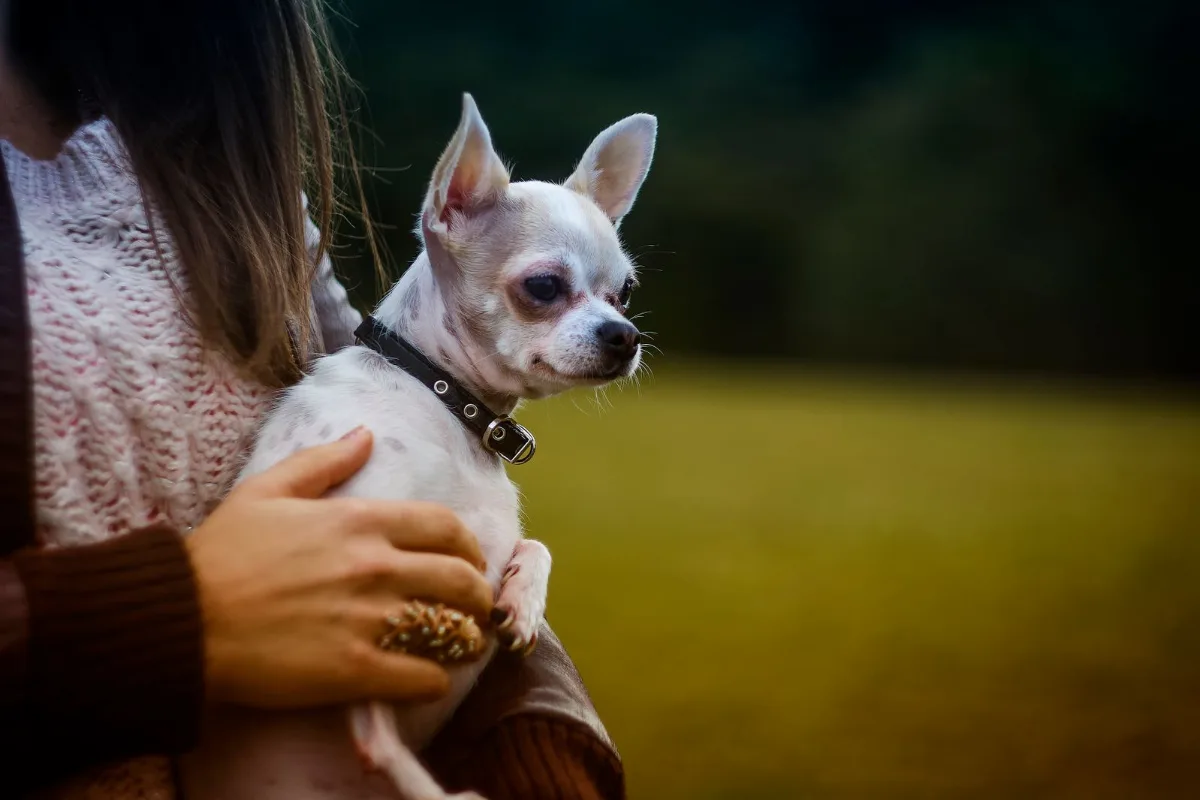
The leash stays on its hook for a while. Most people cannot say exactly how long; it is simply there one month and put away another, and both acts feel like decisions. A chihuahua occupies almost no physical space in a home and somehow leaves the largest absence in it, fifteen years of shadowing one person from room to room ending in a quiet that follows you around instead. What helps, in the weeks after, is usually not one grand gesture but a handful of small deliberate ones. This is a short guide to those, and to where support lives when the quiet is too loud.
Quick answer: Grief for a dog is grief, and the professionals in the field say so plainly: veterinary hospice organizations and the Association for Pet Loss and Bereavement run pet-loss resources, support lines, and counselor directories. Common ways to mark it include burial where local rules allow, keeping or scattering cremated remains, and memorial keepsakes. Surviving pets often search or go quiet, so keep their routine rigid and watch appetite. Adopt again when you want a dog rather than need a replacement.
Permission first
Grief for a dog is grief, full stop, and the people who work in this field say so plainly. Veterinary hospice organizations such as Lap of Love maintain pet-loss resources and support lines, and the Association for Pet Loss and Bereavement runs volunteer-staffed chat rooms and counselor directories for exactly this occasion.
Nobody in those rooms will ask why you are this undone over a four-pound dog. Our own pet-loss guide covers the terrain in depth, including the awkward workplace conversations and the friends who mean well and say the wrong thing. If the loss is ahead of you rather than behind you, the saying-goodbye guide was written for that harder week.
Private rituals
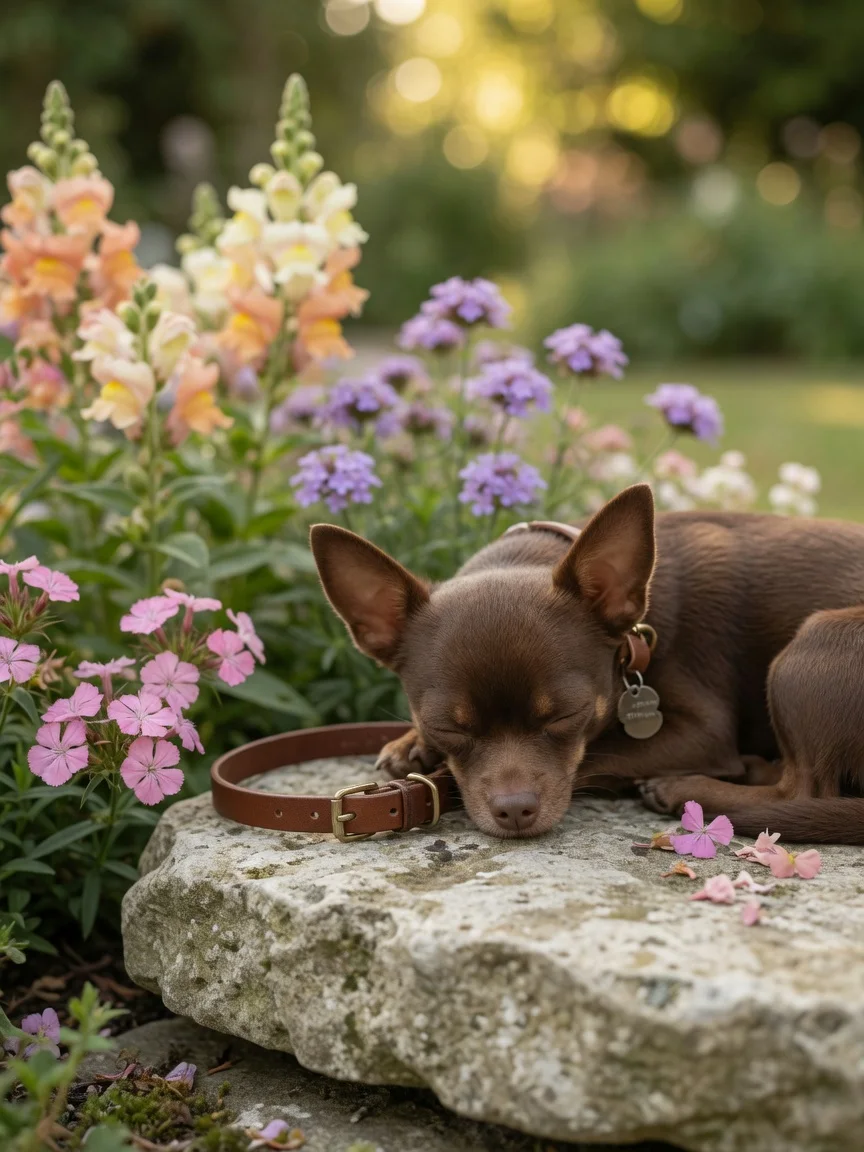
The memorials that seem to hold up over time are specific rather than grand. A box with the collar, a favorite toy, and the photo where her ears are doing the thing. A paw print or nose print, which many veterinary clinics and cremation services offer to make; it costs little and answers a need that arrives months later. A last walk along the usual route, at the usual pace, which for a chihuahua was never about distance anyway.
Planting something perennial where she used to hold her sunbeam inspections. Writing down, before they blur, the dozen small facts nobody else knew: the exact spot she preferred on the couch, the sound she made at the toaster, the one visitor she inexplicably endorsed. None of this is performance. It is filing, done by hand, of a life you were the only complete witness to.
Giving in her name
The practical memorial, and the one this site returns to, is aimed at the dogs still in the system: a donation to the shelter or rescue she came from, marked in her name, or to one of the breed rescues moving chihuahuas out of overcrowded shelters, a pipeline our shelters report describes. Money is not the only currency.
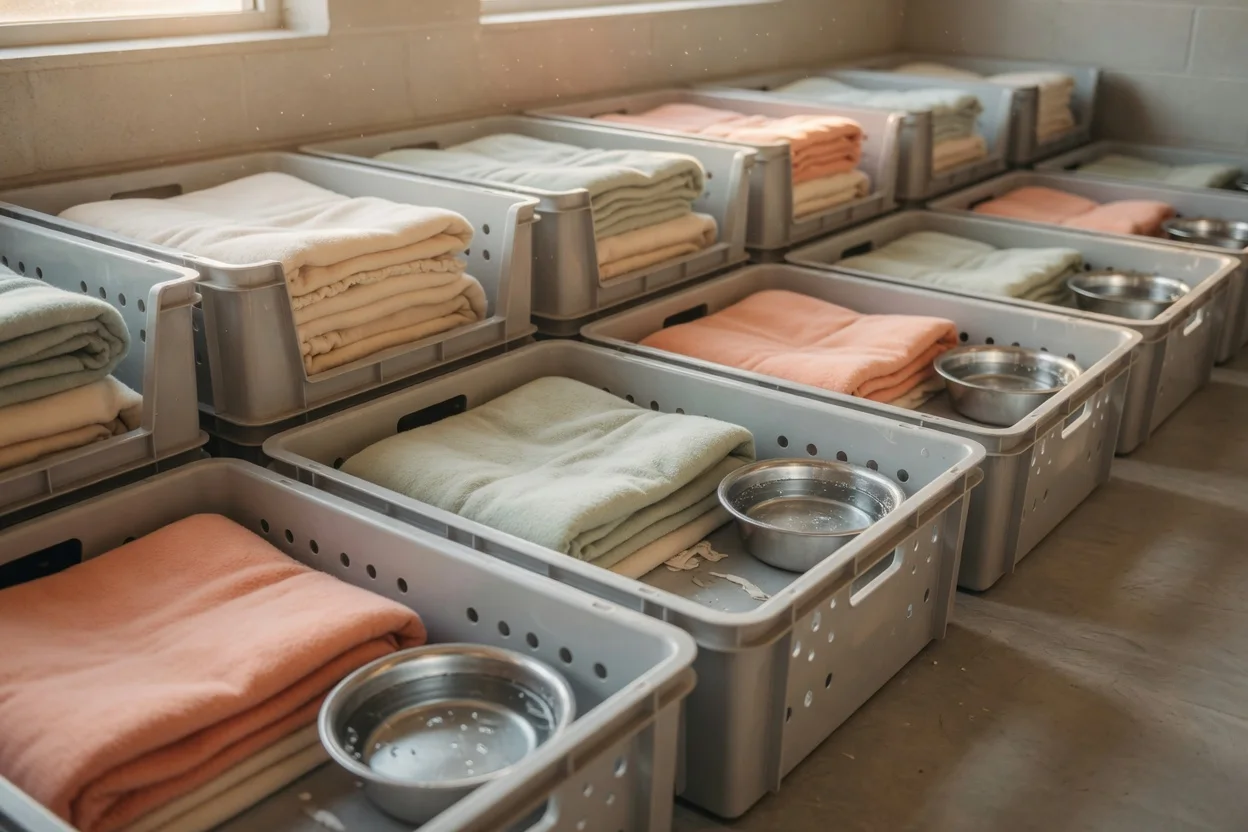
Old towels, unopened food, and the gear she outgrew are perpetually needed; our rescue-vetting guide helps you pick an organization worth the gift. And when the house eventually feels ready for fur again but the heart is not ready for a commitment, short-term fostering occupies exactly that gap, which is one reason so many long-time fosters started as grieving owners.
On timing, and the next dog
There is no correct interval before another dog, only wrong reasons, and the pressure to replace her quickly is the most common one. Some households need months of quiet; some heal specifically by pointing the routine at a new set of ears. Both are honorable. The only rule worth keeping is that the next dog arrives as herself, not as an understudy, and the surest sign of readiness is being able to tell a story about the old dog that ends in laughing rather than apology.
Frequently asked questions
What can I do with my chihuahua's ashes or remains?
Common choices include burial where local rules allow it, keeping or scattering cremated remains, and memorial keepsakes made from a small portion. There is no deadline: many people keep the urn unopened for months before deciding, and deciding slowly is itself a legitimate choice.
How do I help my other pets after a chihuahua dies?
Surviving pets often search, wait at doors, or go quiet for a while. Keep their routine rigid, allow extra closeness, and watch appetite; most re-settle within weeks. If a surviving dog stops eating or spirals in anxiety, a veterinary visit is the right call rather than waiting it out.
When should I get another chihuahua after losing one?
When you can want a dog rather than need a replacement, on your household's own calendar. Test the water with fostering if you are unsure; it helps a shelter dog either way, and it answers the readiness question more honestly than any deadline can.
Eventually the leash comes off the hook, into the memory box or onto a new dog, and either destination honors her. The measure was never the length of the mourning. It was the fifteen years of daily, specific, ridiculous devotion that made mourning worth doing at all.


No comments yet
Leave a comment