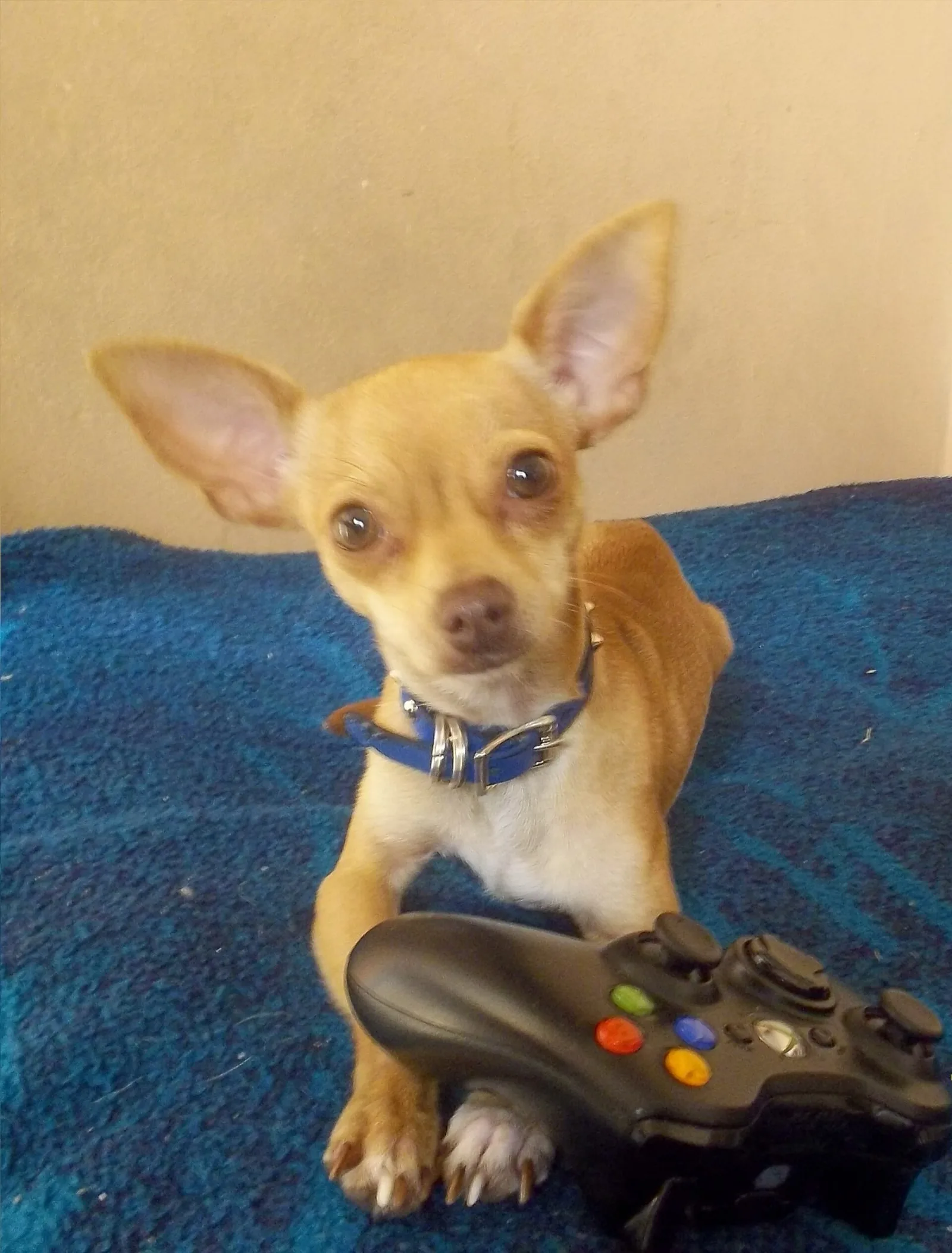
In 2006, Geauga County Sheriff Dan McClelland argued that a tiny detection dog could enter spaces a large K-9 could not. Midge became his proof.
When Geauga County Sheriff Dan McClelland looked at a large police dog trying to turn around inside a car, he saw a practical problem. His answer weighed about seven pounds.
Midge, a Chihuahua–Rat Terrier mix, began training in Ohio as a narcotics-detection dog while still a puppy. She would never be asked to chase a suspect or control a crowd. Her assignment was narrower: use her nose, fit into tight spaces, and work without damaging the interiors she searched.
A 2006 experiment with a clear purpose
CBS News reported in September 2006 that Midge was nine months old, weighed seven pounds, and had been training since she was three months old. McClelland, then sheriff of Geauga County, described watching much larger K-9s struggle to maneuver inside vehicles.
A small dog could move through those interiors more easily. Midge could also search rooms while presenting a friendlier public image than a dog trained for apprehension.
The early coverage is careful about her status. In 2006, Midge was still learning and had not yet been certified as an official police K-9. She was being prepared as a single-purpose dog for drug detection, unlike multi-purpose dogs that might also track or apprehend people.
That timeline matters. Later descriptions of Midge as a record-holding police dog are true of a later stage in her career; they should not be projected backward onto a puppy still in training.
What a small detection dog could do differently
Police dogs are selected and trained for jobs, not for an image. A dog working only in scent detection does not need the size required for physical apprehension.
Midge’s advantage was access. A Chihuahua mix could enter a car with less risk of scratching panels, crushing a console, or becoming wedged between seats. She could change direction in a confined space and work close to objects a handler wanted to preserve.
Size did not give her a better nose by itself. It changed the places where that nose could be deployed.
McClelland also framed Midge as a social dog. Contemporary reports described her as popular with children and members of the public. That made her useful for community appearances, although friendliness and detection performance are separate qualities.
The novelty drew headlines, but the operational idea was not a joke: match the animal’s body and temperament to a defined task.
Training mattered more than the breed label
Midge was commonly described as a Chihuahua–Rat Terrier mix. That label helps readers picture her, but it does not explain her individual working ability. Detection work depends on health, motivation, focus, environmental confidence, handler skill, and extensive training.
Not every Chihuahua or mix would enjoy moving through unfamiliar rooms and vehicles. A dog that is fearful, physically uncomfortable, or easily overwhelmed is not made suitable by being small.
Likewise, a pet owner should not copy detection exercises involving controlled substances or law-enforcement environments. Safe scent games at home use legal target odors, reward-based methods, and spaces where the dog cannot ingest or contact anything hazardous.
For a lower-stakes example of a Chihuahua learning a repeated performance, read Amadeus the Chihuahua Who Learned to Play Pool.
From trainee to record holder
Later Geauga County reporting says Midge completed her career, retired with McClelland, and was recognized by Guinness World Records as the smallest police dog. The distinction gave a formal ending to an experiment that early stories had described as a work in progress.
The record should not obscure the more interesting achievement. Midge demonstrated that a specialized K-9 role could be designed around capability instead of convention. She did not replace larger dogs or perform their full range of duties. She occupied a different niche.
That is a useful lesson beyond police work. “Working dog” covers many assignments, and the physical demands of each assignment differ. A dog that is unsuitable for one function may excel in another when selection and training are responsible.
The partnership lasted beyond the job
McClelland served as Geauga County sheriff for decades before retiring. Local reporting later described Midge living with him in retirement.
In April 2021, McClelland died after a long illness. Midge, then elderly and in declining health, died the same day, according to local and Associated Press reports. The coincidence was widely noted because the pair had become closely associated in public life.
There is no need to invent a final gesture or claim that either somehow knew what had happened. The verified history is moving on its own: a sheriff identified a problem, trained an unexpectedly small partner, and stayed with that dog after both careers ended.
A small dog, accurately remembered
Midge’s story is sometimes compressed into a novelty line about the world’s smallest police dog. The full version is better. She began as a puppy in training. She had a limited, deliberate role. Her size solved a physical problem. Certification and record recognition came later.
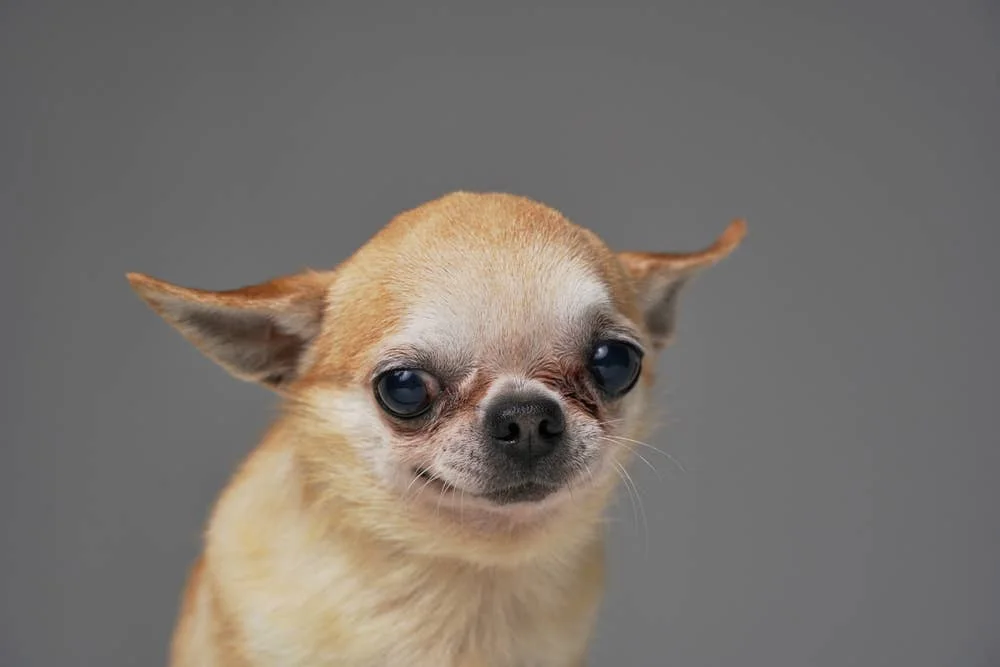
The event photographs and broadcasts remain copyrighted; they should be licensed or embedded from an authorized source rather than copied. The images included with this draft are clearly labeled illustrations of other Chihuahuas.
Midge did not show that every little dog belongs in police work. She showed that serious work can come in a form people are not trained to expect.
Featured photograph: LinenEnd / Wikimedia Commons (CC BY-SA 3.0), via Wikimedia Commons. It is an illustration and does not depict the animals described in this article.


No comments yet
Leave a comment