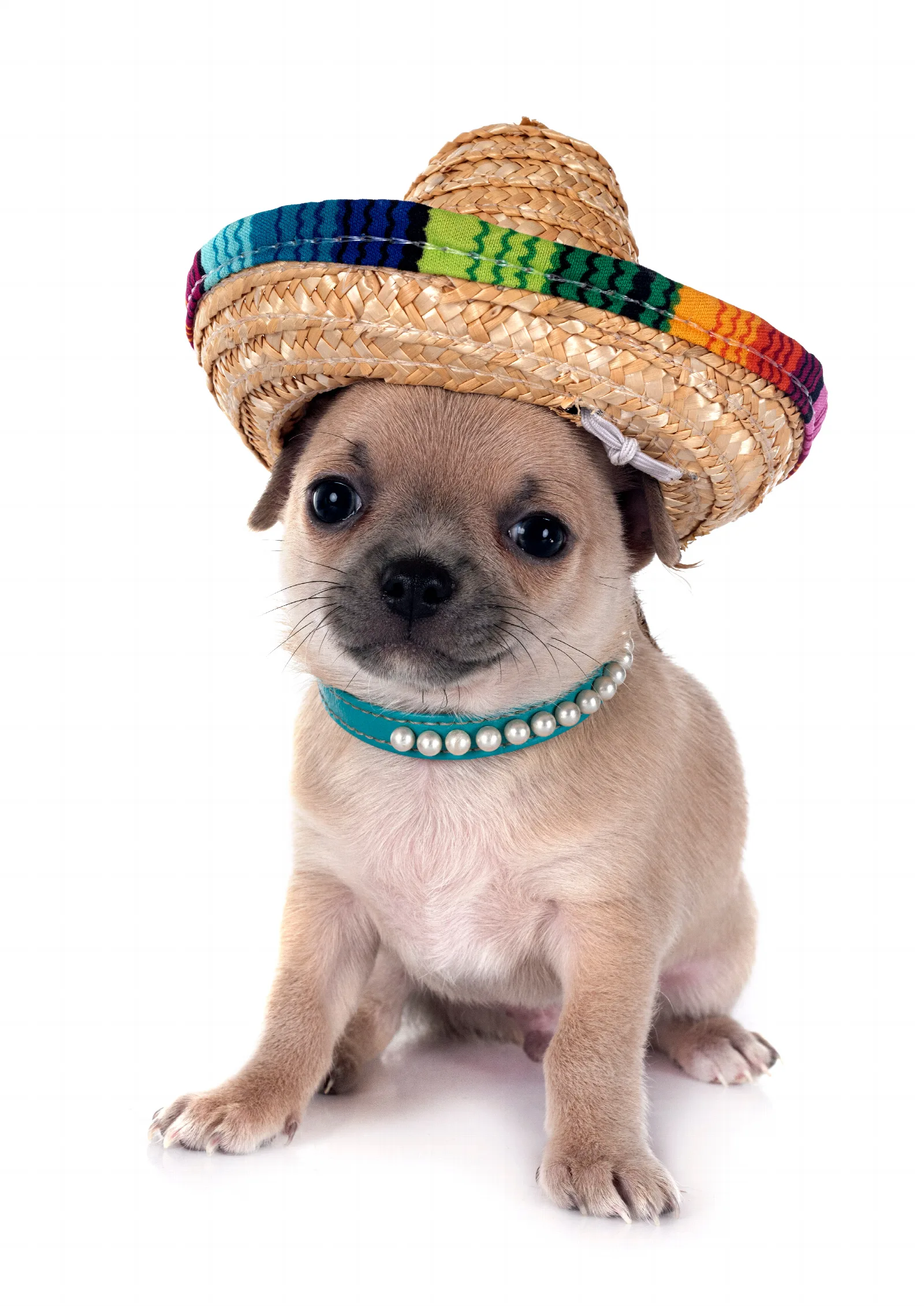
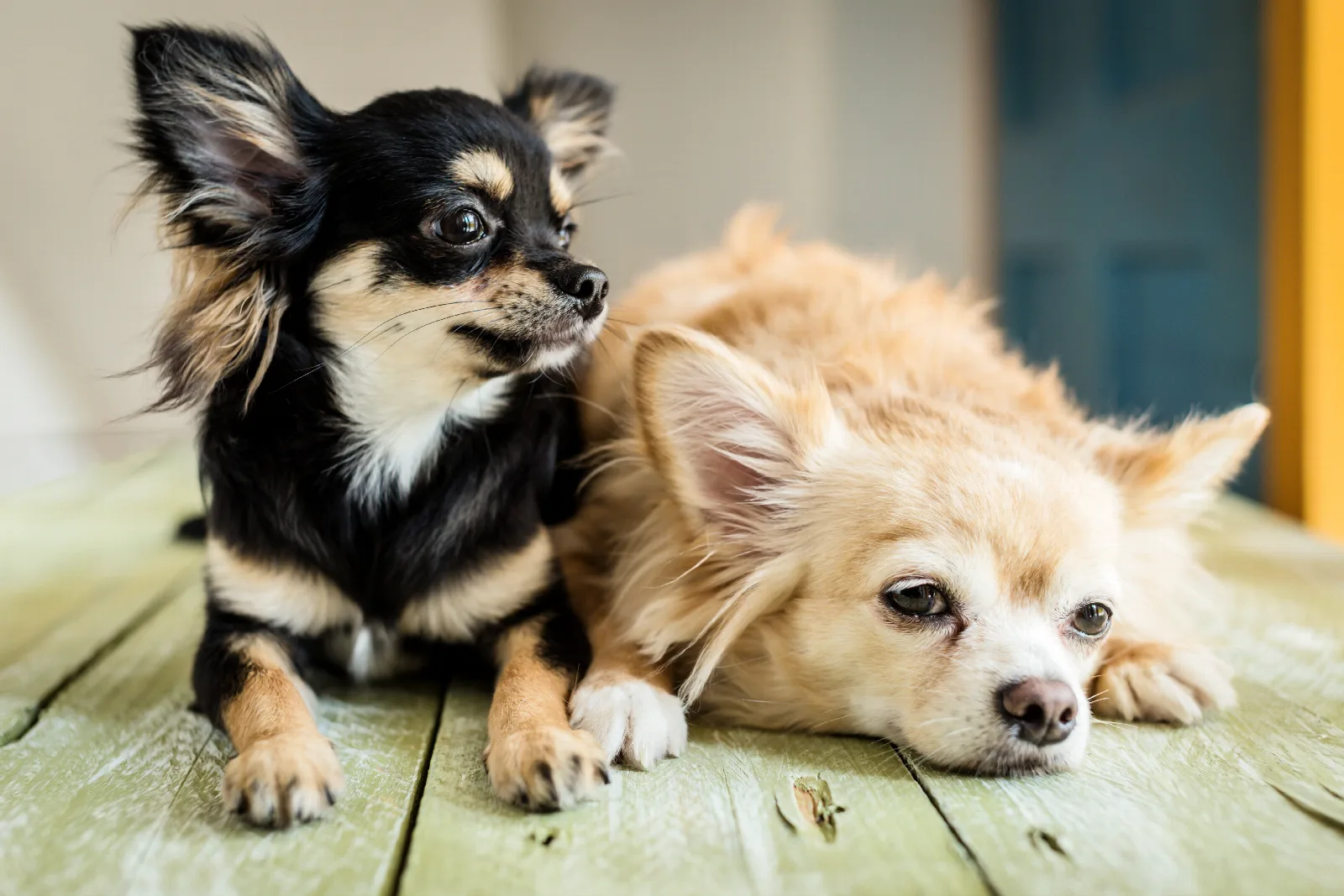
Walk any shelter's small-dog row and you are touring the chihuahua's extended family: crosses with dachshunds, pugs, Yorkies, terriers, and dogs whose ancestry is best described as enthusiastic. The breed's popularity, longevity, and historic oversupply have made it the most prolific small-dog crossing stock in North America, and an entire portmanteau industry, chiweenie, chug, chorkie, chion, chiweiler if you are brave, grew up to name the results. This is the family-tree pillar: how the crosses actually work, what the labels do and do not mean, and where the genuinely great dogs in this story are waiting.
Quick answer: The genetics of a chihuahua cross are a shuffle, not a recipe: a first-generation mix inherits half its genes from each parent and can express any combination, with littermates landing at opposite ends. Size usually falls between the parents, with outliers, and an adult shelter dog has already answered the question. Mixing shuffles away some breed-concentrated risks while dealing in both parents' vulnerabilities, and knees, teeth, and tracheas travel with the chihuahua side regardless.
How a cross actually works
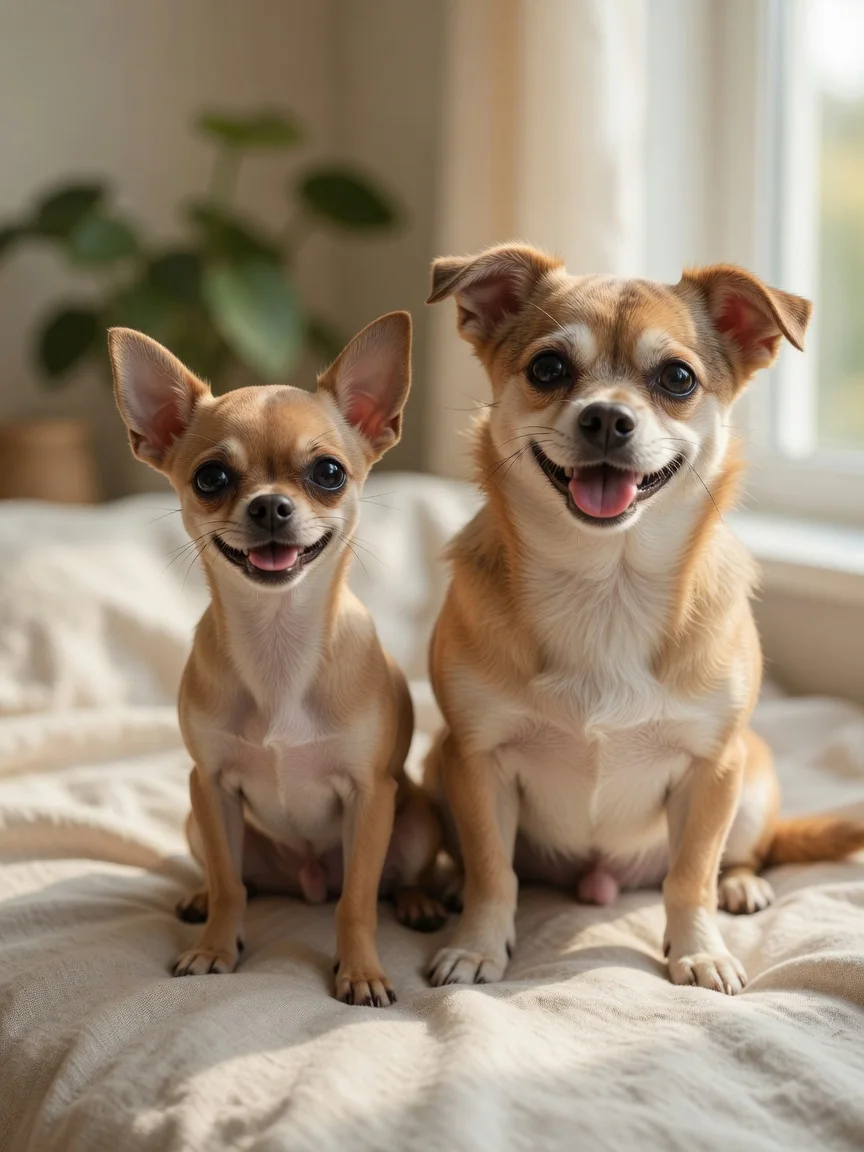
The genetics are a shuffle, not a recipe. A first-generation cross inherits half its genes from each parent breed and can express any combination: a chiweenie may get the dachshund back with the chihuahua head, or the reverse, and littermates routinely land at opposite ends. Size lands somewhere between the parents, usually, with outliers. Coat type, ear carriage, and muzzle length are individually shuffled.
And temperament follows the same lottery, filtered heavily through the socialization and training the puppy actually receives, per our socialization guide, which moves more than the pedigree does. Anyone selling a cross with guaranteed traits, hypoallergenic, calm, teacup, is selling the one thing crossbreeding cannot deliver: predictability. That honesty cuts kindly too: it is why every mix is an individual, and why so many are magnificent.
The named family, and where the labels stop meaning things
The big three each earn their own reference page: the chiweenie, chihuahua crossed with dachshund; the chug, crossed with pug; and the chorkie, crossed with Yorkshire terrier. Around them orbit the chion, with the papillon, the min pin cross, the shih tzu cross, the terrier mixes of every denomination, and the jack chi, and the pattern across all of them holds: small parent breeds, per their respective breed standards, similar apartment-scale outcomes, individual lottery results.
None of these names is a breed; no registry recognizes them; the label is a description of the parents, priced occasionally like a credential. Designer pricing for an unpredictable shuffle is the same economics our types guide flagged on teacups, and the same verdict applies.
Then there is the internet's favorite thought experiment, the chihuahua-great dane cross. The biology answer is that the gametes are willing but the logistics are prohibitive and, where the mother is the smaller party, dangerous to the point of cruelty, per the whelping math in our pregnancy guide.
Large-small crosses that do exist, pit bull and heeler mixes among them, come from size-adjacent pairings or larger chihuahua-mix mothers, and they inherit the same lottery at bigger stakes. The welfare line is simple: extreme size mismatches are not a breeding project, they are a veterinary emergency with a gender-reveal party attached.
Health: the hybrid-vigor claim, audited
Crosses dodge some breed-specific disorders through sheer genetic shuffling, and the vigor story ends there: a chihuahua mix can inherit the luxating kneecaps, dental crowding, and tracheal softness of one parent, the back problems or breathing anatomy of the other, or a fortunate neither. The small-dog file in our health library applies to the whole family at adjusted odds, the harness rule from the gear guide applies universally, and the practical health screen for any cross is the same as for any purebred: the individual dog's exam, weight, and care, not the label's marketing.
The shelter, where this article was always heading
Here is the quiet fact under the whole portmanteau industry: the dogs being invented at boutique prices are sitting in shelters at adoption prices, by the row. Chihuahua mixes are among the most common shelter dogs in the country, the surplus story our rescue desk has covered, and an adult shelter mix offers the one thing no designer breeder can: the finished dog, size, coat, and temperament already on display, per the process in our adoption guide. Buy the lottery ticket if you like; the shelter is selling drawn winners. Some crosses exist mainly as a name, and the golden chi is the clearest example of a pairing whose size nobody can predict. The chipin, a chihuahua and miniature pinscher cross, is worth reading on one point alone: the min pin is not a shrunken Doberman.
Frequently asked questions
What is the best chihuahua mix?
The one whose individual temperament and needs fit your household, which is genuinely the only answer crossbreeding permits: littermates diverge too much for rankings. The chiweenie, chug, and chorkie pages cover the famous three; the shelter covers the rest, pre-grown and pre-assessed.
Are chihuahua mixes healthier than purebreds?
Sometimes, partially: mixing shuffles away some breed-concentrated risks while dealing in both parents' vulnerabilities. Knees, teeth, and tracheas travel with the small-dog territory regardless. Judge the dog and the breeder's health testing, not the hybrid-vigor slogan.
How big will my chihuahua mix get?
Usually between the parents, with outliers, and adult shelter dogs answer the question by already being their size. For puppies, the larger parent breed sets the realistic ceiling, and eight-week size predicts loosely at best, the same chart humility as our growth guide.
Do chihuahua mixes act like chihuahuas?
Many inherit the attachment, alertness, and opinions in some dilution; none is guaranteed to. Temperament shuffles like everything else, then gets its final shape from socialization and training, which is the part you control and the part that decides the dog you live with.
A prolific little founder, a family tree with invented surnames, and shelters full of the results: that is the chihuahua cross story. Learn the shuffle, ignore the price tags, and remember that the best dog in this article is, statistically, sitting in a kennel twenty minutes from you, already exactly who she is.

No comments yet
Leave a comment