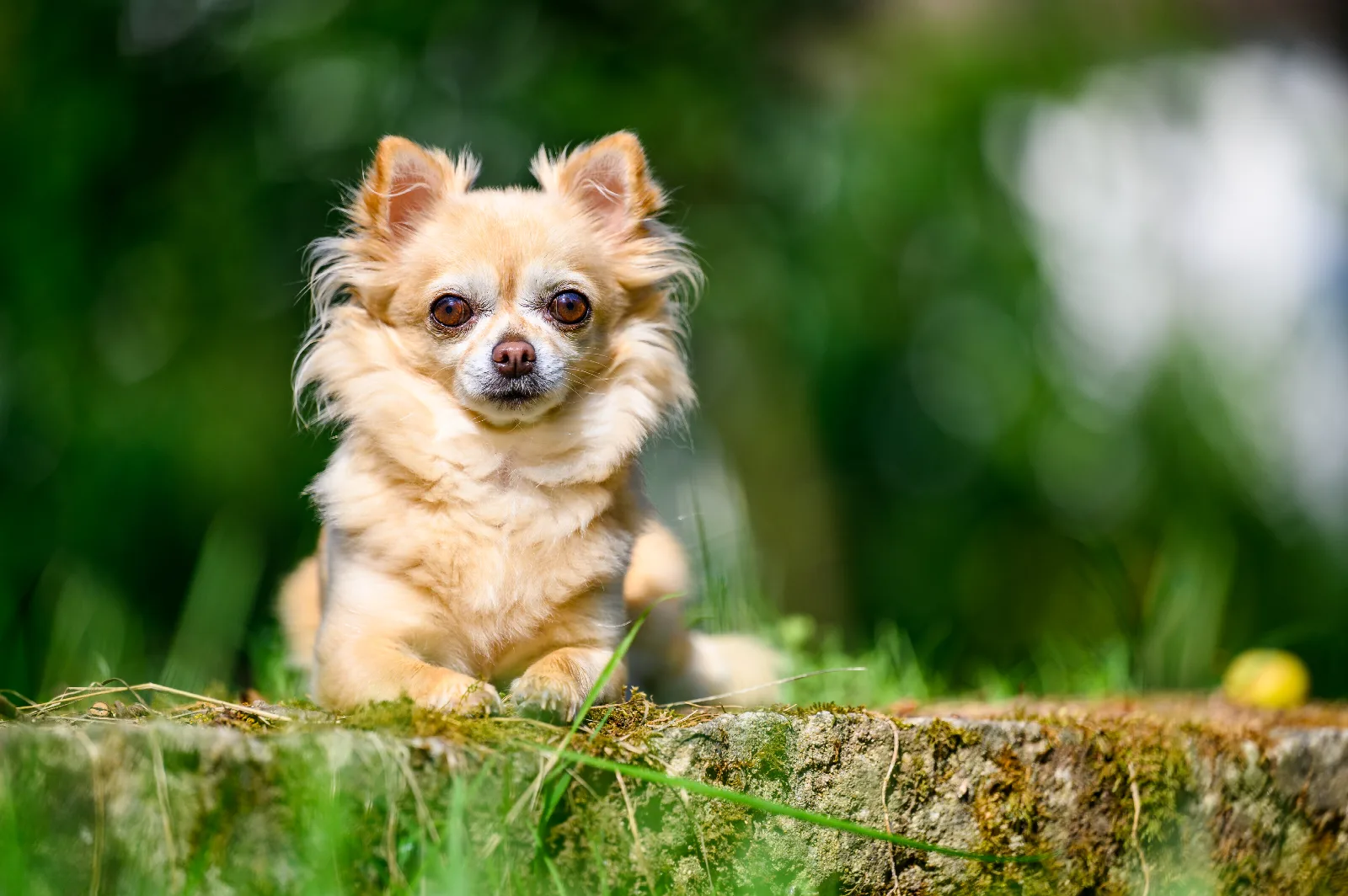
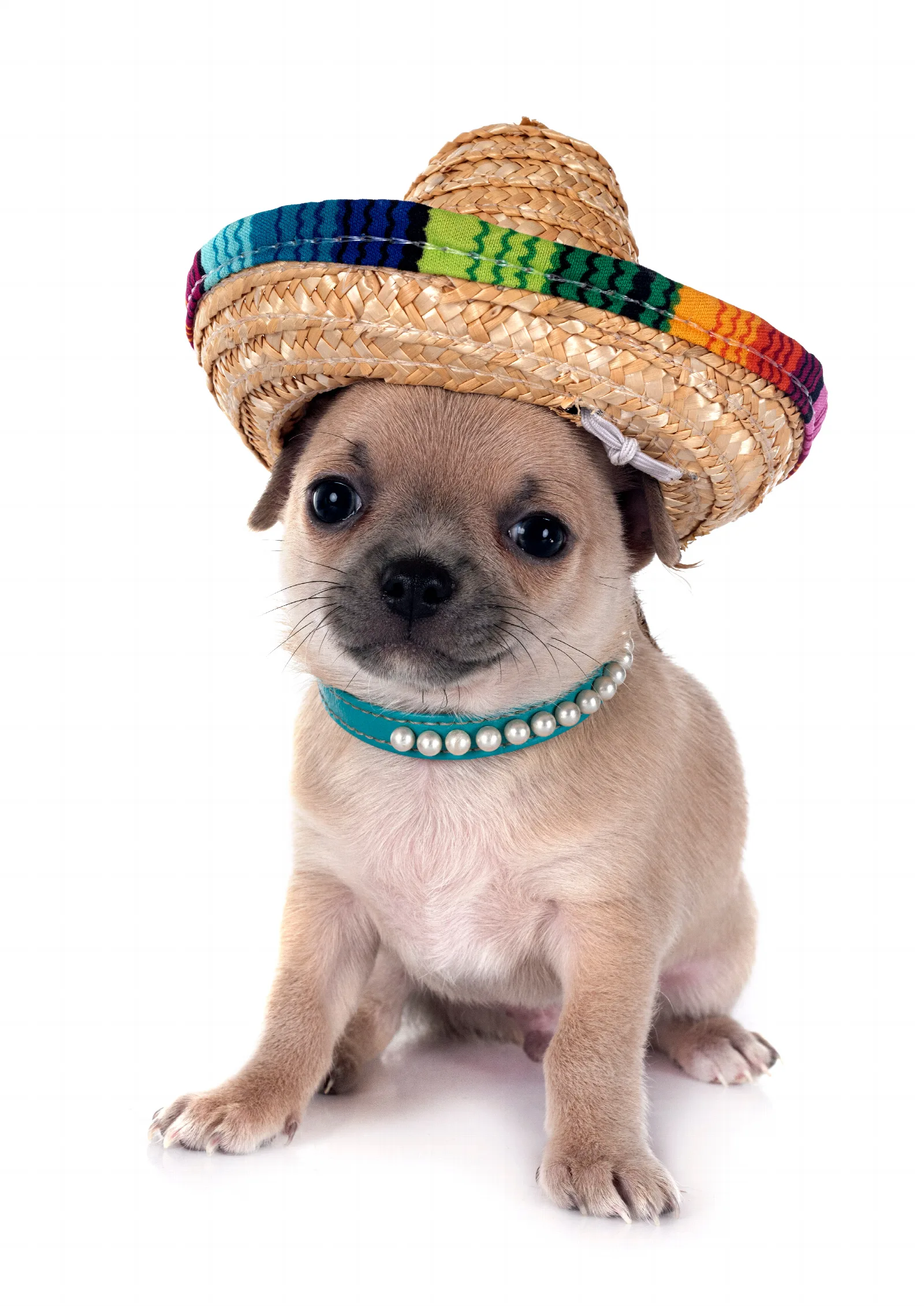
Cross the ancient companion of Mexico with Germany's long, low badger hound and you get the chiweenie: the internet's favorite chihuahua mix, part hot dog, part drama department, wholly convinced of its own significance. Like every cross in our mixes pillar, the chiweenie is a genetic shuffle rather than a recipe, but this particular shuffle has a personality all its own, and one piece of fine print, printed on the spine, that every owner needs to read.
Quick answer: The chiweenie crosses the chihuahua with the dachshund, and most land between five and twelve pounds depending on whether the dachshund parent was mini or standard. The inherited risk worth planning for is IVDD from the long-backed side, so run the long-back rules regardless of build: ramps, no launching off furniture, supported lifts, and lean weight. Two alert, vocal parent breeds deal a strong barking hand, so assume it until trained otherwise.
The parents, and what the shuffle deals
The chihuahua side arrives with the specs this site documents daily: tiny frame, huge attachment, elite alert system. The dachshund, per the AKC's breed page, contributes the elongated chassis, a genuine hunting heritage, badgers, professionally, and a stubborn streak that terriers respect.
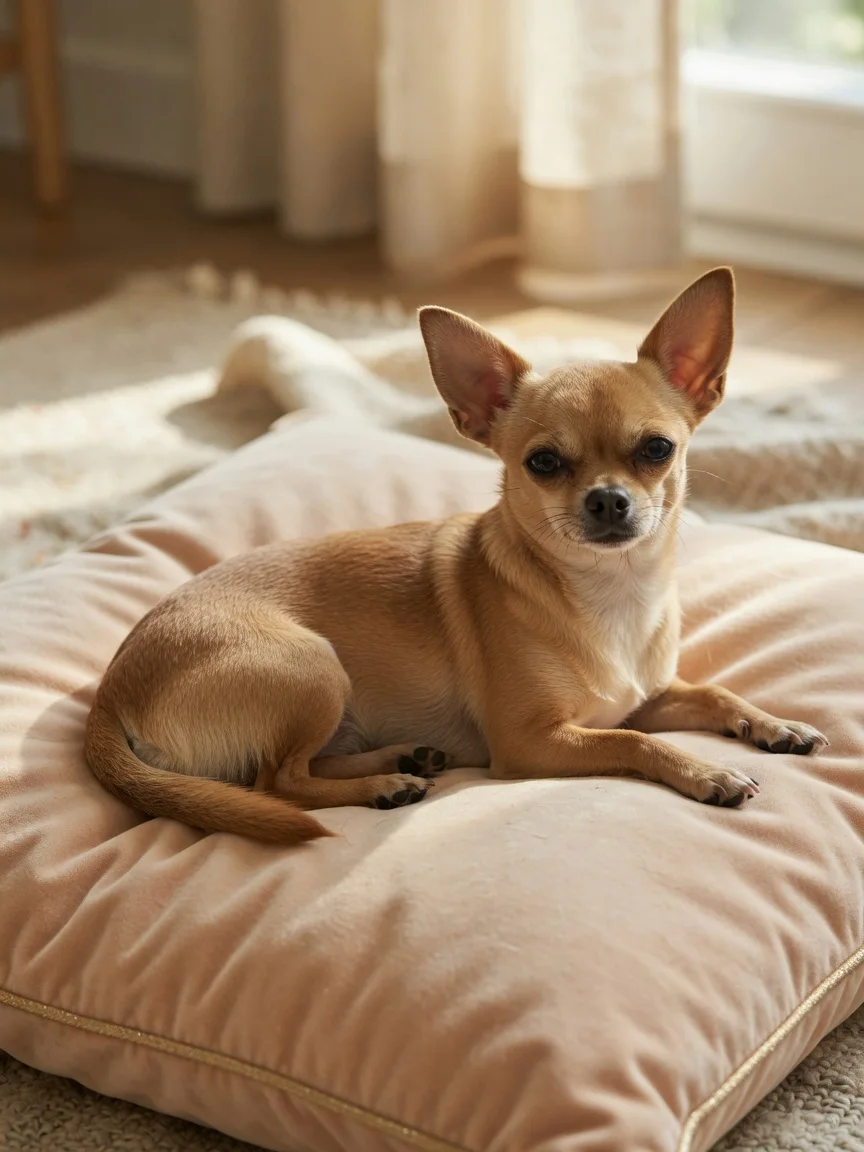
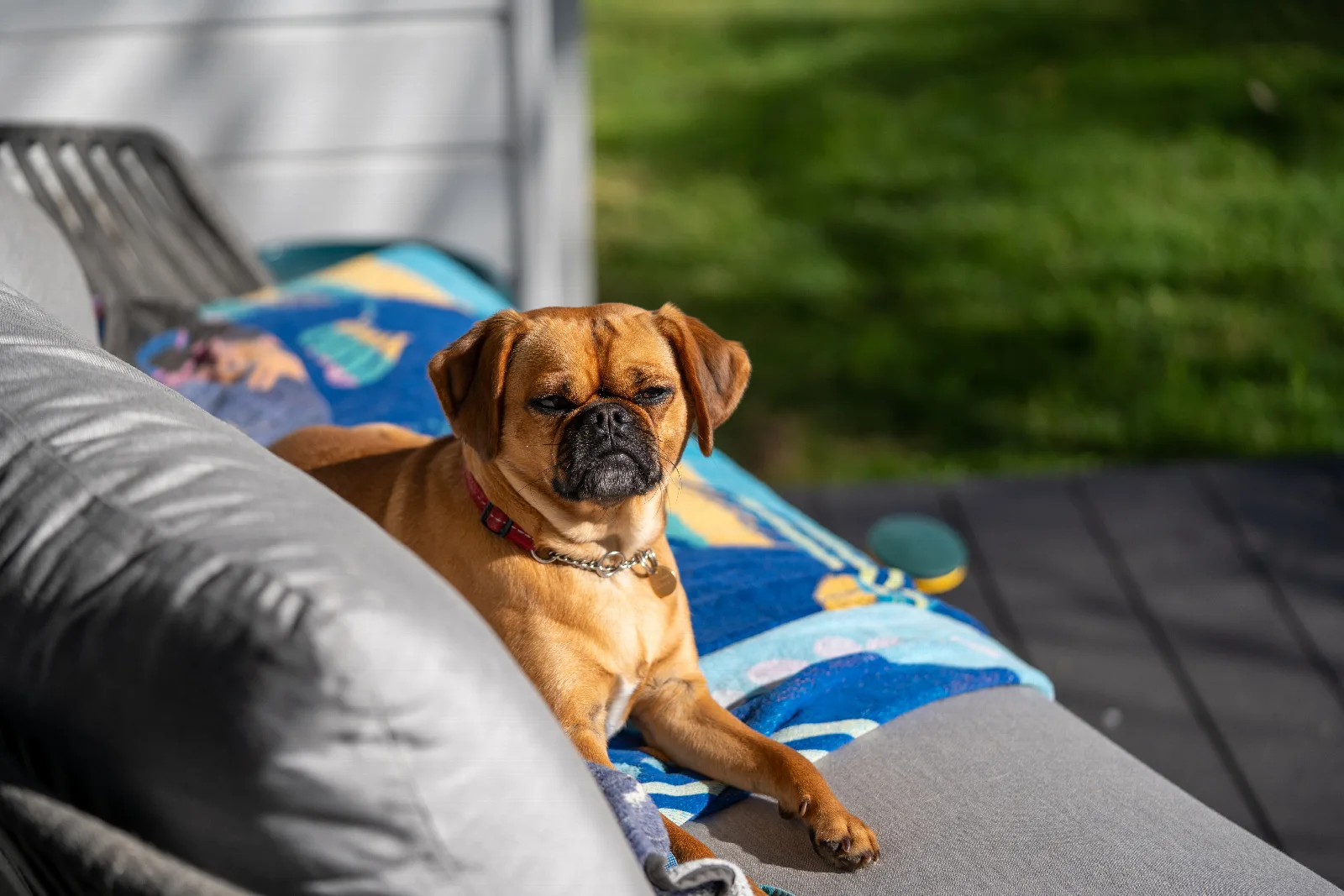
Typical chiweenies land between five and twelve pounds, longer than tall, with the ear lottery, erect, floppy, or one of each, and the coat lottery, smooth, long, or wiry if the dachshund parent carried it, dealt per puppy. Temperament runs bold, funny, loud, and devoted: two watchful, opinionated parent breeds reliably produce a cross that takes doorbell duty as a sacred calling, which makes the barking playbook from our training desk standard equipment rather than optional reading.
The spine paragraph, which is the article
Dachshunds carry a well-documented predisposition to intervertebral disc disease, IVDD in clinical shorthand, the back condition their long-and-low build makes famous, and chiweenies inherit real exposure to it, scaled by how much hot dog the shuffle dealt. The ownership rules write themselves and are non-negotiable in a long-backed dog: ramps or steps for furniture instead of launching, the anti-jumping program from our jumping guide, two-handed support-the-rear lifting per the handling rules in our consent guide, weight kept strictly lean, because every extra ounce loads the span, per the weight guide, and a same-day veterinary call for any yelp, wobble, dragging, or sudden reluctance on stairs, which in a long-backed dog is an emergency conversation, not a wait-and-see. Add the chihuahua side's kneecaps from our patella guide and the shared small-dog dental file, and the chiweenie's health plan is simply both parents' plans, run simultaneously, on a dog who thinks she is invincible.
Living with the drama department
Daily life is small-dog standard with extra opinions: moderate exercise with sniffing privileges, the enrichment payroll from our chewing guide, since two clever parent breeds compound boredom interest, and training run as paid employment per the cues guide, because the dachshund contribution to trainability is best described as negotiating from strength.
Chiweenies bond hard, often chihuahua-style to one person, tolerate cold badly from both sides of the family, sweater rules per the temperature guide, and, properly socialized, make superb apartment companions with a lifespan regularly reaching the mid-teens. And the acquisition note from the pillar applies double here: chiweenies are shelter royalty, among the most common small crosses in rescue, which makes the designer price tag on an unpredictable shuffle particularly optional.
The coat lottery, and what each one needs
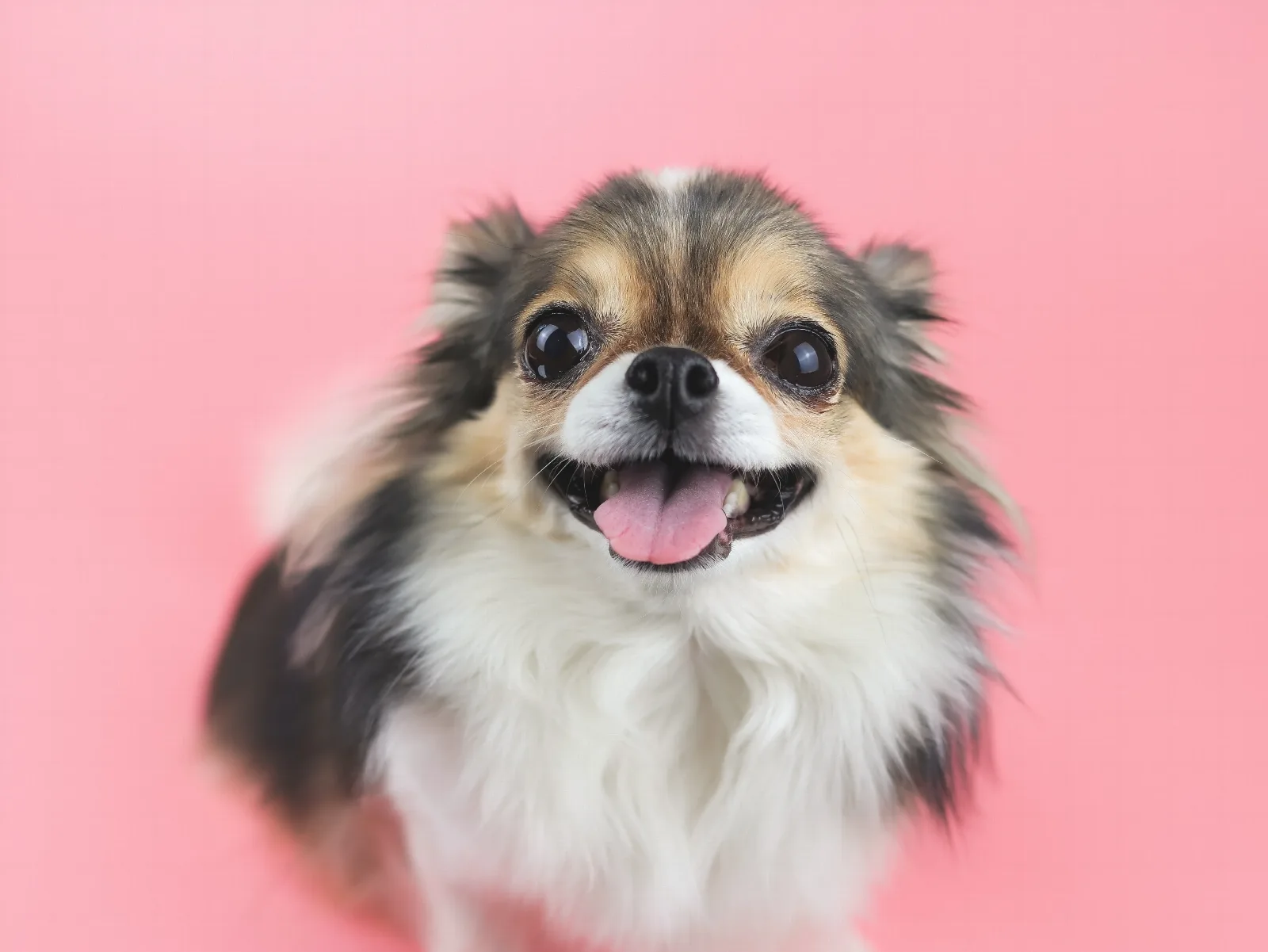
The shuffle deals three coats, and they are not the same job. A smooth chiweenie wants one weekly pass with a soft bristle brush or rubber mitt and very little else, though smooth does not mean low-shedding: those short, stiff hairs weave into upholstery more stubbornly than long ones. A long coat, inherited from a long-haired dachshund or a long-coat chihuahua parent, needs brushing several times a week, with attention behind the ears, in the armpits, and along the trousers and tail where feathering mats first. A wire coat, the rarest hand, carries the dachshund's harsh outer jacket and needs a comb plus occasional hand-stripping or a tidy from a groomer.
Whichever coat turns up, the underlying schedule is the one in our grooming guide: weekly brushing that doubles as a hands-on health check, baths every month or two, nails every three to four weeks, and teeth as close to daily as you can manage. That last item is not optional in this cross. Both parent breeds sit in the small-dog dental risk pool, where crowded teeth in a small jaw make periodontal disease the most common health problem owners actually face, and it arrives far earlier than most people expect. Brushing is the single highest-return habit on the list, and it costs less than one veterinary cleaning under anesthesia.
Frequently asked questions
How big do chiweenies get?
Most land between five and twelve pounds depending on the dachshund parent's size, mini or standard, and the shuffle. Adult shelter chiweenies skip the suspense entirely, which is one of several arguments in their favor.
Do chiweenies have back problems?
They inherit real IVDD exposure from the dachshund side, scaled by build. Run the long-back rules regardless: ramps, no launching, supported lifts, lean weight, and immediate veterinary attention for yelps, wobbles, or stair refusal. Prevention is cheap; disc surgery is not.
Are chiweenies good family dogs?
With respectful children and proper socialization, yes, delightfully: they are playful, devoted, and sturdy-spirited. The small-dog house rules apply, no rough handling, supervised toddlers, dogs stroked not carried, plus the back-safety rules this particular cross adds.
Do chiweenies bark a lot?
Two alert, vocal parent breeds deal a strong barking hand, so assume yes until trained otherwise: the alert-barking program, plus enough enrichment to retire the boredom broadcasts, keeps it to editorial levels. Untrained, the chiweenie is talk radio.
Half hot dog, half heritage companion, entirely certain the household revolves around her, which, once the ramps are installed and the barking is on payroll, it fairly harmlessly does: that is the chiweenie, best acquired from the shelter that already has six.

No comments yet
Leave a comment