The tiny doorbell video could not be traced to a reliable original, but the behavior is practical and teachable when owners pair the signal consistently with toilet trips.
A Chihuahua does not need a dramatic bark to request a toilet trip. A reachable bell or button can become a clear signal.
The original tiny-doorbell video behind this assignment could not be verified. No reliable source established the dog, owner, device, date, or training method. The useful behavior, however, is supported by reward-based training guidance and can be taught without copying a viral setup.
Quick answer: No, no verified original video exists of a Chihuahua ringing a potty bell. The practical behavior can be taught through consistent, reward-based pairing of a safe, reachable signal with every toilet trip. Owners place the device by the exit door, mark voluntary touches, demonstrate it before outings, leash the dog, reward only after elimination, prevent dashing, respond calmly to false alarms without punishment, track patterns, consult a vet for medical issues, and ensure every caregiver follows the same routine.
Choose a signal the dog can use safely
A hanging bell should reach the Chihuahua's nose without wrapping around the neck or legs. Check ribbons, loops, metal edges, small parts, and attachment points for chewing or entanglement risk.
A floor button should have a broad, stable, nonslip base and require very little force. The sound must be audible to the household without startling the dog.
Place the signal beside the door used for toilet trips, but not where opening the door can strike the Chihuahua. Keep it away from electrical cords and crowded entry traffic.
For a person with hearing loss, use a receiver that adds light or vibration in an appropriate human location. The dog does not need a louder sound near sensitive ears.
Build a positive first association
Let the Chihuahua investigate the bell at a comfortable distance. Mark and reward a glance, sniff, nose touch, or gentle paw contact.
Do not grab the dog's paw and hit the button. Do not smear food on a surface that may be chewed. The goal is voluntary interaction.
Keep sessions to one or two minutes. Stop while the dog is engaged. If the Chihuahua backs away, barks, freezes, or refuses food, lower the sound, increase distance, or choose a quieter device.
AKC guidance suggests demonstrating the signal before each trip so the dog learns that the sound predicts going outside.
Pair the bell with one immediate outcome
Every planned toilet trip follows the same sequence: approach the door, ring or press the signal, attach the leash, go directly to the toilet area, wait quietly, reward elimination, and return.
At first, the person operates the signal. When the Chihuahua begins touching it independently, open the door promptly.
Use a leash even in a fenced area during training. It keeps the trip focused and prevents a tiny dog from disappearing behind shrubs or slipping through a gap.
Reward after the dog eliminates, not merely after leaving the house. The bell earns access; toileting earns the higher-value reward.
Prevent door dashing
A bell beside an exit can increase excitement. Teach a separate wait or station behavior before opening the door.
Clip the leash indoors and check the harness fit. Ask the Chihuahua to pause on a mat while the person opens the door, scans for loose dogs, wildlife, traffic, weather, and hazards, then releases the dog.
AKC door-safety guidance recommends giving dogs a predictable place away from the entry during deliveries. A potty signal should not erase that boundary.
Never open directly onto an unsecured street because the dog rang.
Handle false alarms without punishment
Many dogs learn that the bell means outdoor access, not specifically urination or defecation. That is a reasonable interpretation.
Respond to every ring initially with a short, boring leash trip to the toilet location. Give the dog a few minutes. If nothing happens, return indoors without play.
Schedule walks, sniffing, and outdoor recreation separately. The contrast helps the Chihuahua understand that the bell trip has a narrow purpose.
Do not scold repeated ringing. Check whether the dog genuinely needs more frequent access, is receiving attention only at the door, or has learned that humans sometimes ignore the first signal.
Keep a housetraining record
Write down meals, water, sleep, play, accidents, bell rings, successful trips, and stool quality for one or two weeks. Patterns reveal when supervision and scheduled outings are most important.
Puppies, seniors, dogs taking certain medication, and Chihuahuas with medical conditions may need frequent opportunities. A bell cannot extend bladder capacity.
Clean indoor accidents with a pet-safe enzymatic product. Avoid rubbing the dog's nose in waste or punishing an accident discovered later.
Know when training is not the answer
Contact a veterinarian about sudden house-soiling, straining, blood, increased thirst, very frequent urination, diarrhea, pain, weight change, confusion, or a previously trained dog losing control.
A Chihuahua who rings constantly and produces small amounts may have a health problem. A dog who cannot reach the signal because of pain or weakness needs an accessible alternative and assessment.
Do not restrict water to reduce accidents unless a veterinarian gives a specific medical instruction.
Make the system work for every caregiver
Post a simple routine near the door. Pet sitters and family members should know the signal, equipment, toilet location, reward, emergency contacts, and expected frequency.
Test whether the bell can be heard from occupied rooms. A camera can help assess training sessions, but it is not a substitute for timely supervision.
Maintain an indoor option when severe weather, unsafe air, an elevator outage, disability, or veterinary recovery makes the usual route impractical. Keep that option in a consistent place.
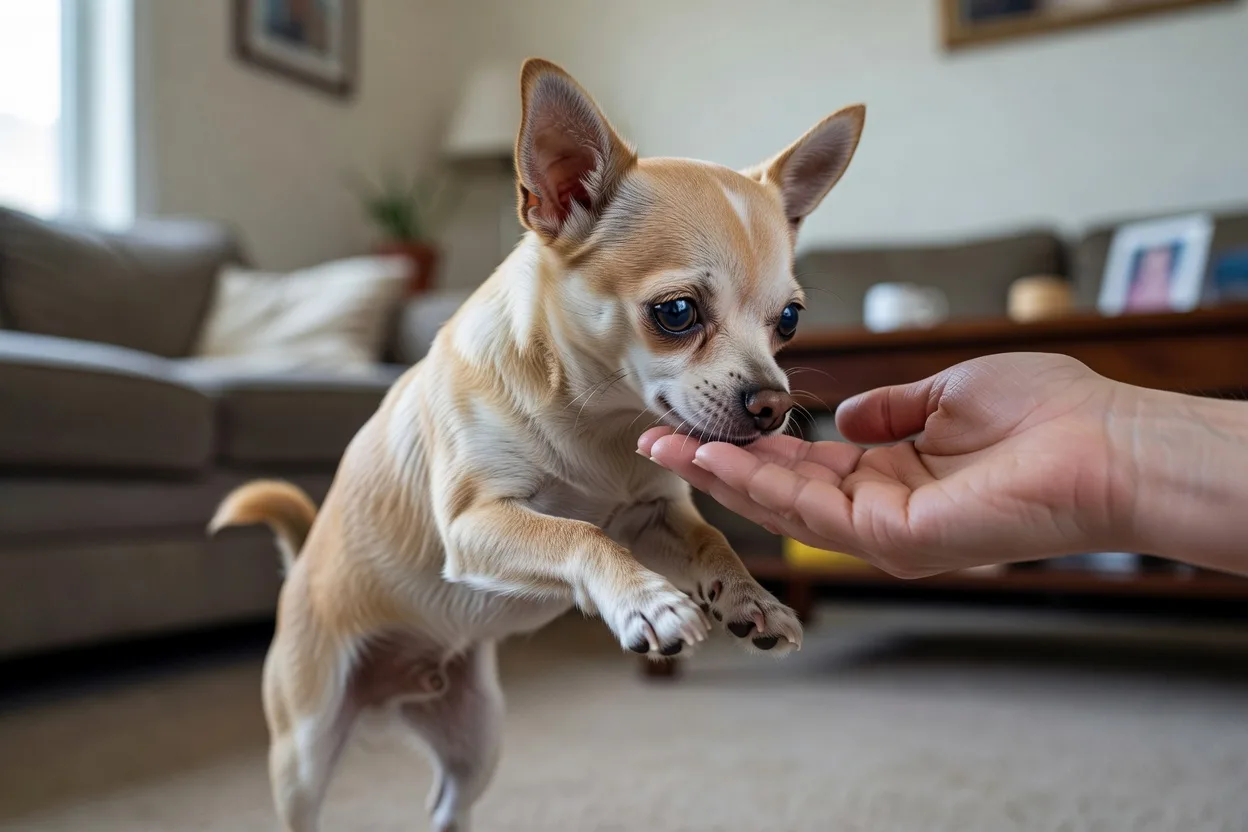
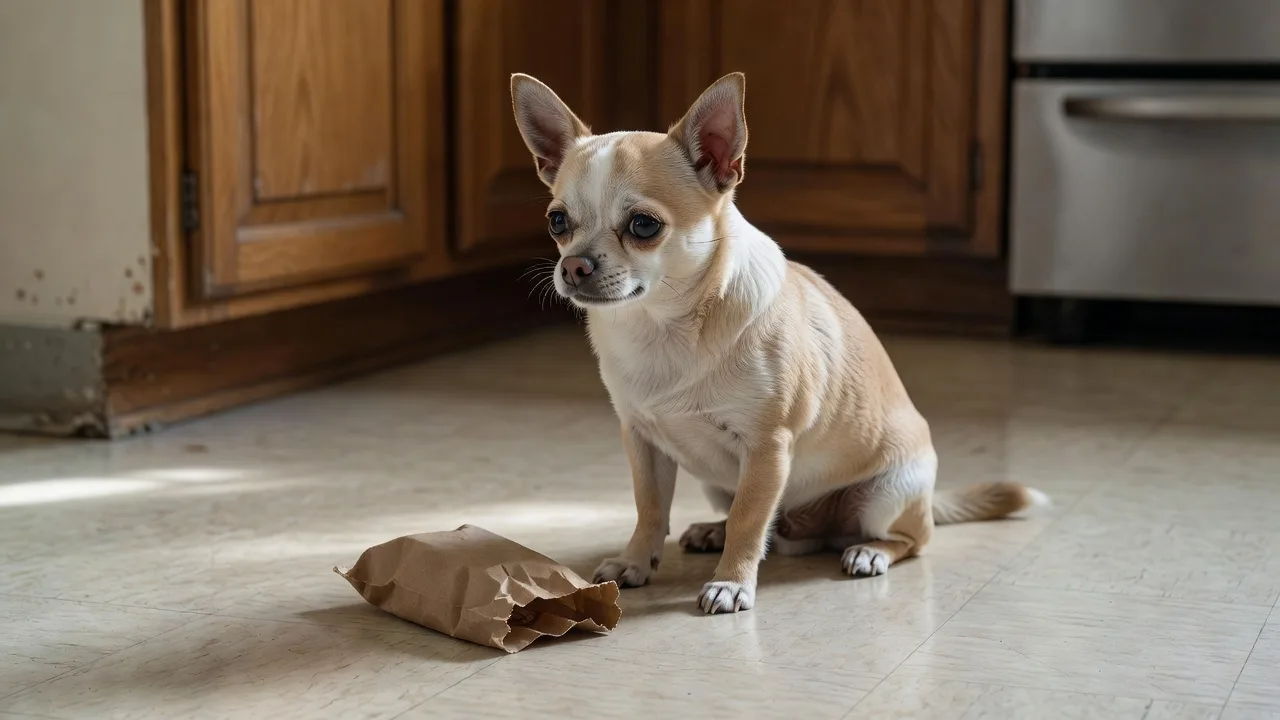
The three licensed Chihuahua photographs in this package are illustrations. They do not show the unverified doorbell dog.
A signal works because people answer it
The charming part is a Chihuahua operating a tiny device. The important part is the reliable human response that follows.
Choose safe equipment, build voluntary contact, pair every signal with a calm toilet trip, reward success, and manage the open door. If accidents change suddenly, call the veterinarian.
A potty bell is not magic. It is a shared language—and the household has to keep its half of the conversation.
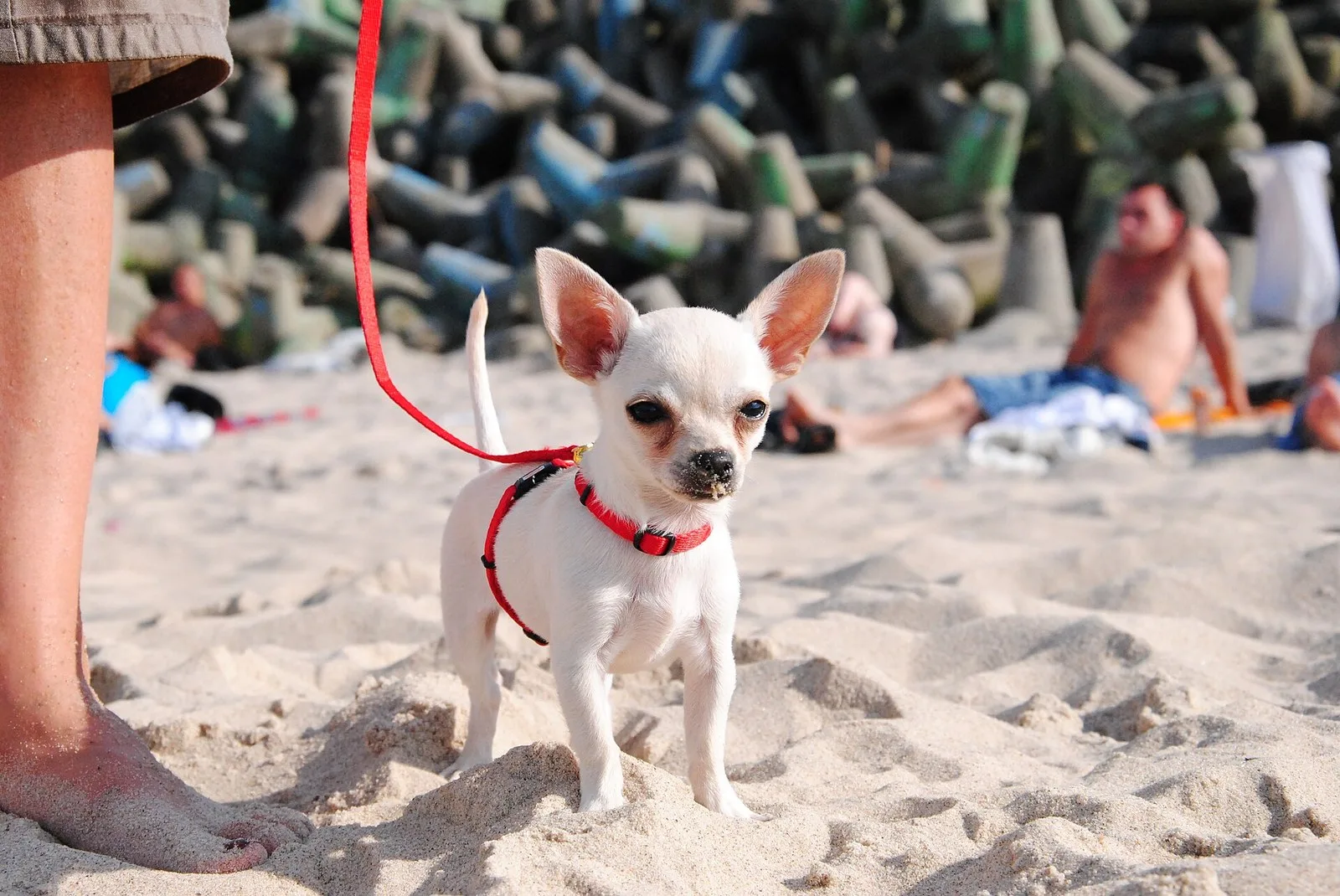
Featured photograph: Niewiadomek / Wikimedia Commons (Public domain), via Wikimedia Commons. It is an illustration and does not depict the animals described in this article.


No comments yet
Leave a comment