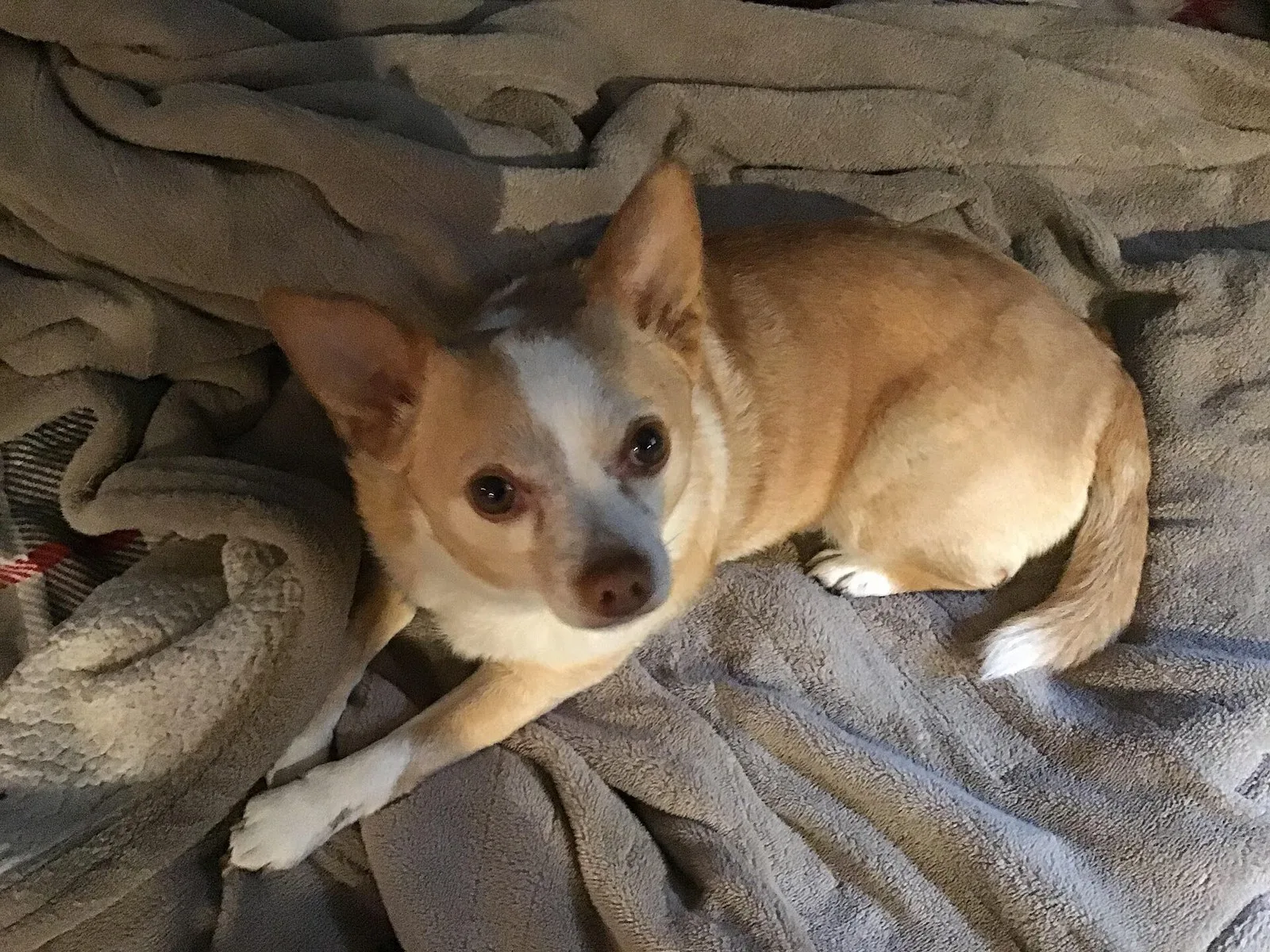
A secret pile of treats may look funny, but owners should check for spoiled food, unsafe hiding places, excess calories, and signs that the Chihuahua feels pressured.
A Chihuahua carrying a biscuit behind a cushion can look like a tiny criminal hiding evidence. Usually, the explanation is less dramatic: some dogs save valuable food or objects for later.
The viral story suggested by this assignment could not be verified. No reliable original established the dog, owner, date, location, video, or contents of the reported stash. What can be explained responsibly is the behavior itself—and what an owner should do after finding it.
Quick answer: No, a hidden treat stash is usually normal caching behavior in Chihuahuas, driven by instinct to save resources. Owners should inspect for spoiled food, hazards, excess calories, and guarding signs without confrontation. Remove unsafe items, count treats in the daily diet, block dangerous spots, offer quiet feeding areas, and teach voluntary trades with better rewards. Contact a vet or behavior professional if illness, sudden changes, or aggression appear.
Why dogs hide valuable things
Dogs may cache food because it is valuable and not needed immediately. The American Kennel Club explains that hiding can be connected to the instinct to save resources, even when a modern pet has a dependable meal schedule.
Context matters. A dog may carry a chew away from another pet, choose a quiet place to eat, or save a treat after receiving more than it wants at once. A bored dog may also turn collecting and hiding into an activity.
Hiding one dry biscuit does not prove anxiety, neglect, hunger, or a behavior disorder. It is an observation that should lead to questions: What is being hidden? How often? Where? What happens when a person approaches?
Inspect the stash without creating conflict
Keep children and other pets away while an adult checks the area. If the Chihuahua is standing over the stash, freezing, staring, showing teeth, growling, snapping, or rushing toward a hand, do not grab the food.
The ASPCA describes food guarding as behavior that can create a bite risk. Punishing a warning or forcing an item away may intensify conflict and teach the dog that people approaching really do make resources disappear.
Call the dog away with a cheerful cue or toss several higher-value treats at a safe distance. Close a door or use a gate before cleaning the hiding place. If the dog will not disengage, or guarding has occurred before, leave the area alone and contact a qualified reward-based professional.
Children should never retrieve a chew from under a dog, crawl into the hiding place, or test whether the Chihuahua will growl.
Remove food that can spoil or cause harm
Discard damp, moldy, rancid, contaminated, or insect-covered food. Also remove cooked bones, rawhide pieces small enough to swallow, wrappers, string, foil, medication, chocolate, xylitol-containing products, grapes, raisins, onions, and anything else not intended for the dog.
A dried commercial treat may still create a hygiene problem when pushed beneath furniture, carried outdoors and back, or stored where cleaning chemicals, pests, or moisture can reach it.
Do not assume every hidden object began as a dog treat. Socks, batteries, children’s toys, sanitary products, and food packaging can become obstruction or poisoning hazards.
If the Chihuahua may have swallowed a foreign object or toxic substance, call a veterinarian or appropriate animal poison service promptly. Repeated vomiting, abdominal pain, marked tiredness, difficulty breathing, collapse, choking, or an inability to keep water down warrants urgent veterinary help.
Count hidden treats in the daily diet
A treat does not stop containing calories because the dog saves it. Count every item offered, including chews, training rewards, food placed in puzzles, scraps from different family members, and pieces the dog may recover later.
Small dogs have little room for casual overfeeding. Ask the veterinarian to recommend a daily calorie target and the type and amount of treats appropriate for the individual Chihuahua’s age, weight, teeth, diseases, and main diet.
Break suitable treats into very small pieces for training. A dog usually values the event and flavor, not the visual size of the reward.
Use a shared family log when several people feed the dog. Otherwise, each person may think they offered only one treat while the Chihuahua quietly receives a full extra meal.
Change the environment, not the dog’s warnings
Offer valuable chews in a predictable, quiet location where other animals cannot crowd the Chihuahua. Supervise the item and remove it through an exchange before it becomes small, damaged, or soggy.
Block access behind appliances, inside reclining furniture, beneath electrical equipment, and in other places where hidden food is difficult or dangerous to retrieve. Wash bedding and inspect carriers, toy baskets, sofa gaps, and outdoor beds regularly.
If competition appears to drive hiding, feed animals separately and pick up bowls after the planned mealtime. Do not make pets race for scattered treats.
A secure food puzzle can provide an approved way to search and work for food. Choose a product sized for a toy dog, supervise the first uses, and stop if the Chihuahua tears off material or tries to swallow the device.
Teach a voluntary trade
Begin with an object the dog likes but does not intensely guard. Say a consistent cue such as “trade,” present a better reward, and let the dog release the object voluntarily. Return safe objects sometimes so the cue does not always predict permanent loss.
Practice in short sessions when no one is rushed. Do not reach over the dog, pry open the mouth, corner the Chihuahua, or repeat the cue while advancing.
The goal is not to outsmart the dog. It is to build a history in which a person’s approach predicts something safe and worthwhile.
Know when to ask for help
Contact a veterinarian when hiding starts suddenly, accompanies appetite or weight changes, involves non-food items, or appears alongside vomiting, diarrhea, dental pain, confusion, or other illness signs.
Seek a credentialed behavior professional when the Chihuahua guards food or objects, has bitten, or lives with children or vulnerable adults. A veterinarian can rule out pain and help identify an appropriately qualified trainer or veterinary behaviorist.
Keep a brief record of the object, location, people or animals nearby, body language, and what happened immediately before and after. That evidence is more useful than labeling the dog greedy, sneaky, or dominant.
A stash is information
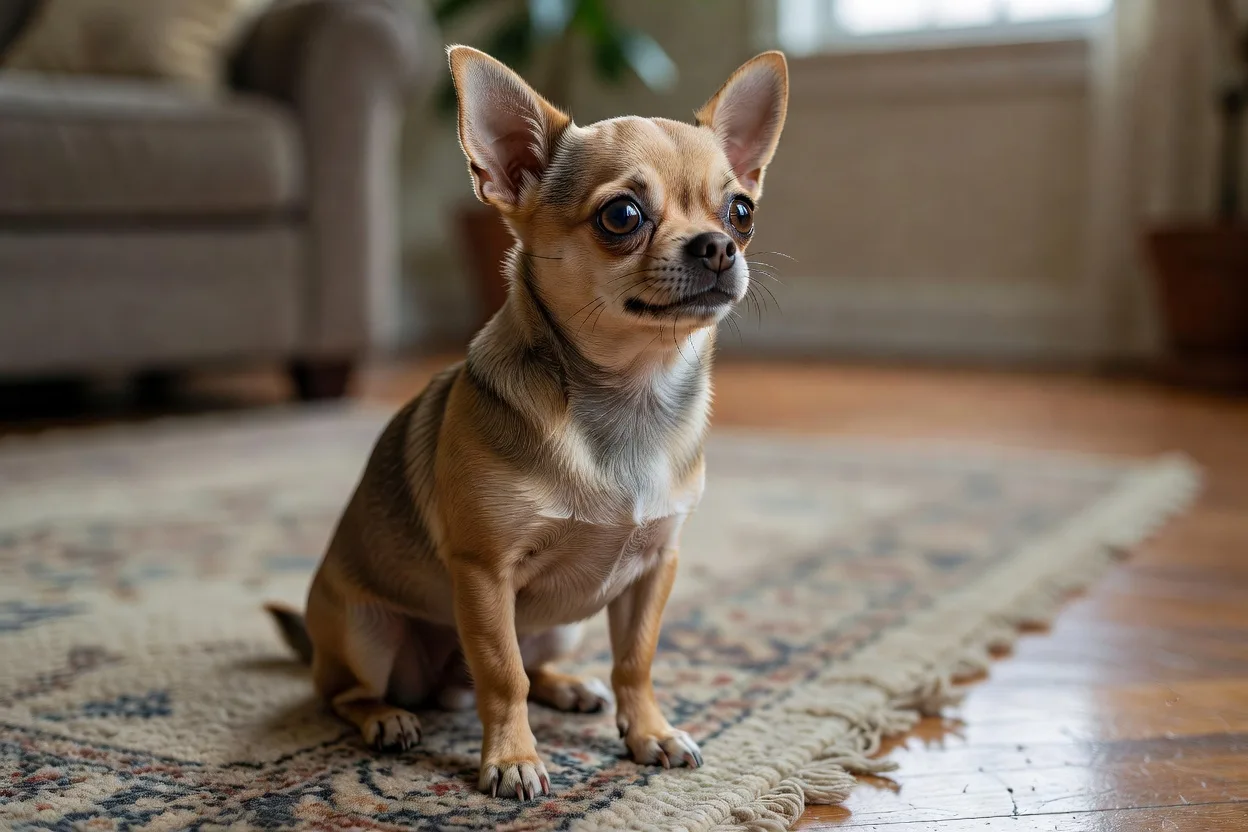
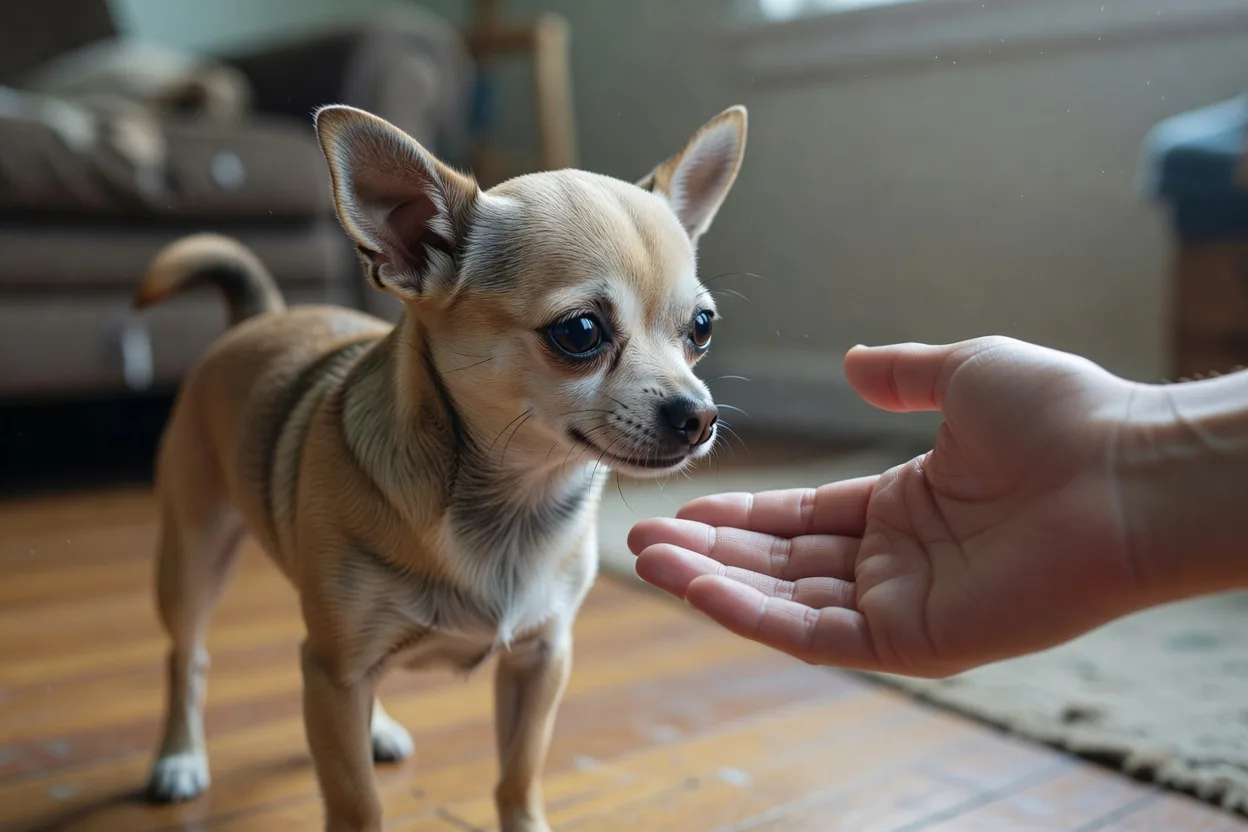
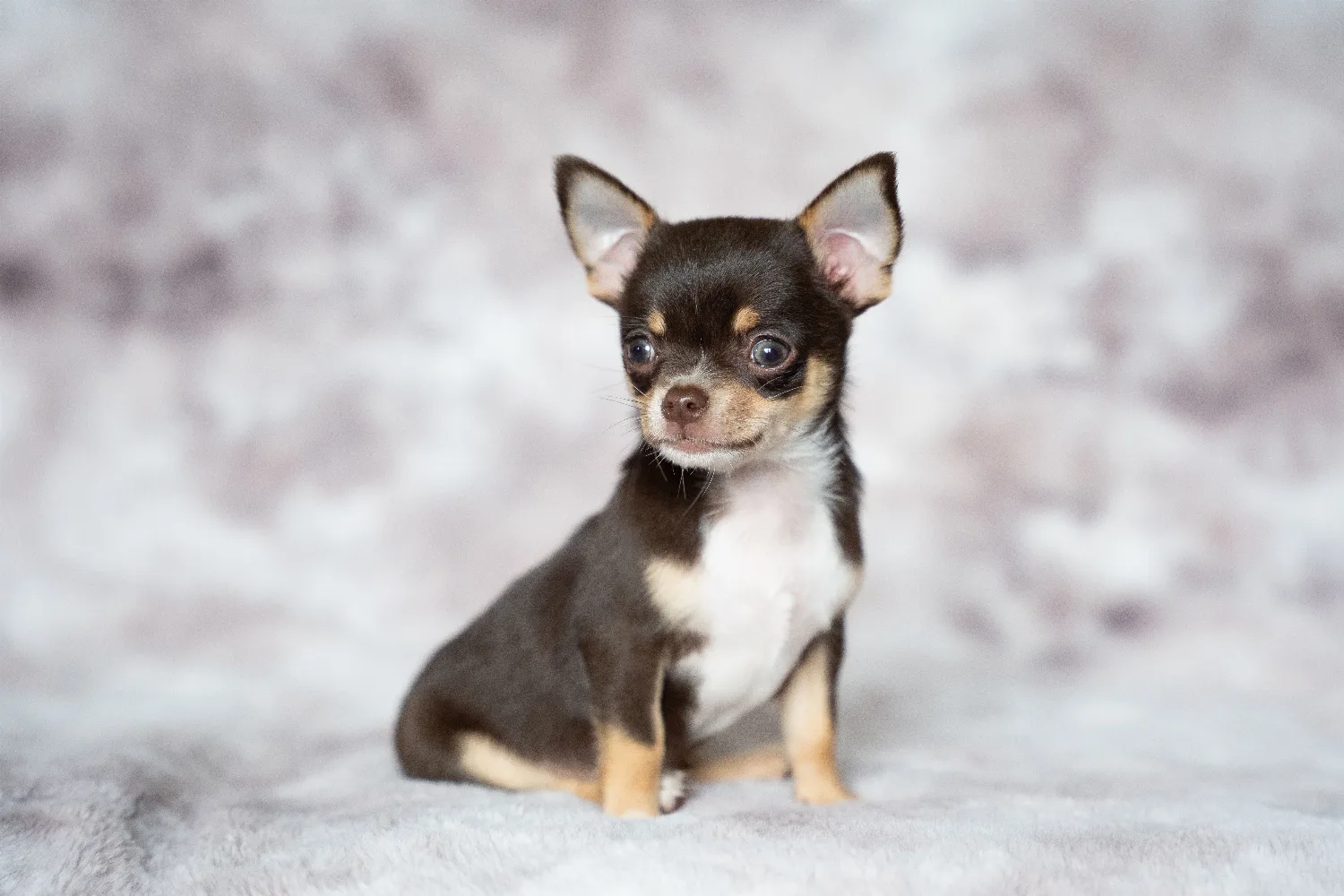
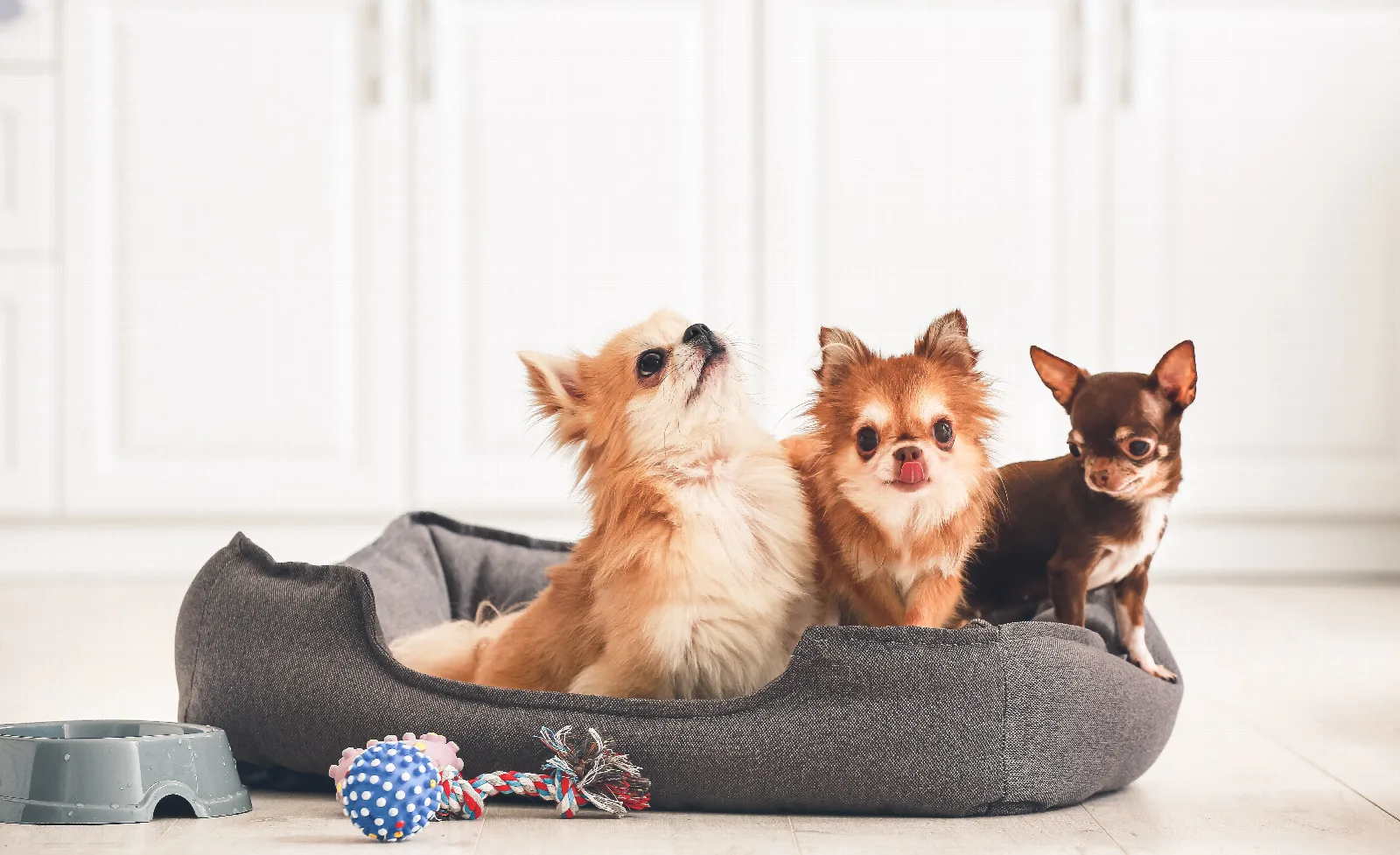
The three licensed photographs in this package are general Chihuahua illustrations. They do not show the unidentified dog or a discovered stash.
A hidden biscuit can be normal caching. A pile of damp chews, repeated scavenging, dangerous objects, or defensive behavior needs a measured response.
Inspect without confrontation, remove hazards when the dog is safely elsewhere, account for the calories, and give the Chihuahua safer ways to forage. The amusing part can remain amusing—but safety should not depend on the dog keeping its secret.
Featured photograph: Hammytheperfect / Wikimedia Commons (CC BY 4.0), via Wikimedia Commons. It is an illustration and does not depict the animals described in this article.

No comments yet
Leave a comment