
Every dog has an off day of loose stool now and then, and in most cases it passes within a day or two. The chihuahua-specific complication is arithmetic: a four-pound body has very little fluid to spare, so the danger in diarrhea is rarely the gut itself and usually the dehydration that rides along with it. That is why the deadlines in this guide are shorter than the ones written for Labradors.
Here is the calm version: what usually causes it, the safe home plan for a bright and stable adult, and the specific signs that mean the clinic today rather than the couch.
Quick answer: For a bright, drinking, non-vomiting adult chihuahua, 24 to 48 hours on a bland veterinarian-endorsed diet is the sensible outer limit, and improvement should be visible inside that window. The real danger in a four-pound dog is dehydration rather than the gut itself, which is why these deadlines are shorter than the ones written for large breeds. Never use human anti-diarrheals. Black tarry stool, significant fresh blood, diarrhea with repeated vomiting, weakness or collapse, a swollen painful belly, or any diarrhea in a puppy means the clinic now.
The usual suspects
Dietary indiscretion leads the list, which is the clinical term for ate something it should not have: trash, table scraps, a too-rich treat, the mystery item on the sidewalk. Abrupt food changes come second; small-dog guts like transitions spread over a week, not a single bowl swap. Stress produces soft stool too, after moves, guests, boarding, or fireworks; a rescue settling in commonly has an unsettled gut for a few days, as we note in the fearful-dog guide.
Beyond those: parasites, especially in puppies and anything recently adopted, which is why a stool sample is standard at the first visits; infections, viral and bacterial; toxins, including chocolate and xylitol; and in dogs with recurring episodes, food sensitivities or chronic gut disease. The Merck Veterinary Manual is blunt that diarrhea is one of the most common signs across the whole span of digestive disease, which is exactly why persistence and accompanying signs matter more than any single bad stool.
Reading the evidence, briefly and without glamour
You do not need a laminated color chart; you need three observations for your notes. Consistency: soft-formed versus watery. Color: browns are ordinary; black-tarry stool suggests digested blood and is urgent; red streaks mean fresh blood, urgent in quantity; grey or yellow that persists is worth a call.
Frequency: healthy chihuahuas typically go a few times a day, and stress or extra treats can add one; a dog suddenly going six or more times, straining repeatedly, or leaking overnight is telling you the gut has lost control of scheduling. Note it all down, and if you can stomach it, bring a fresh sample to any appointment; it is the single most useful accessory in gut medicine, as the Cornell Riney Canine Health Center materials on digestive health point out in less glamorous words.
The safe home plan, for the right patient only
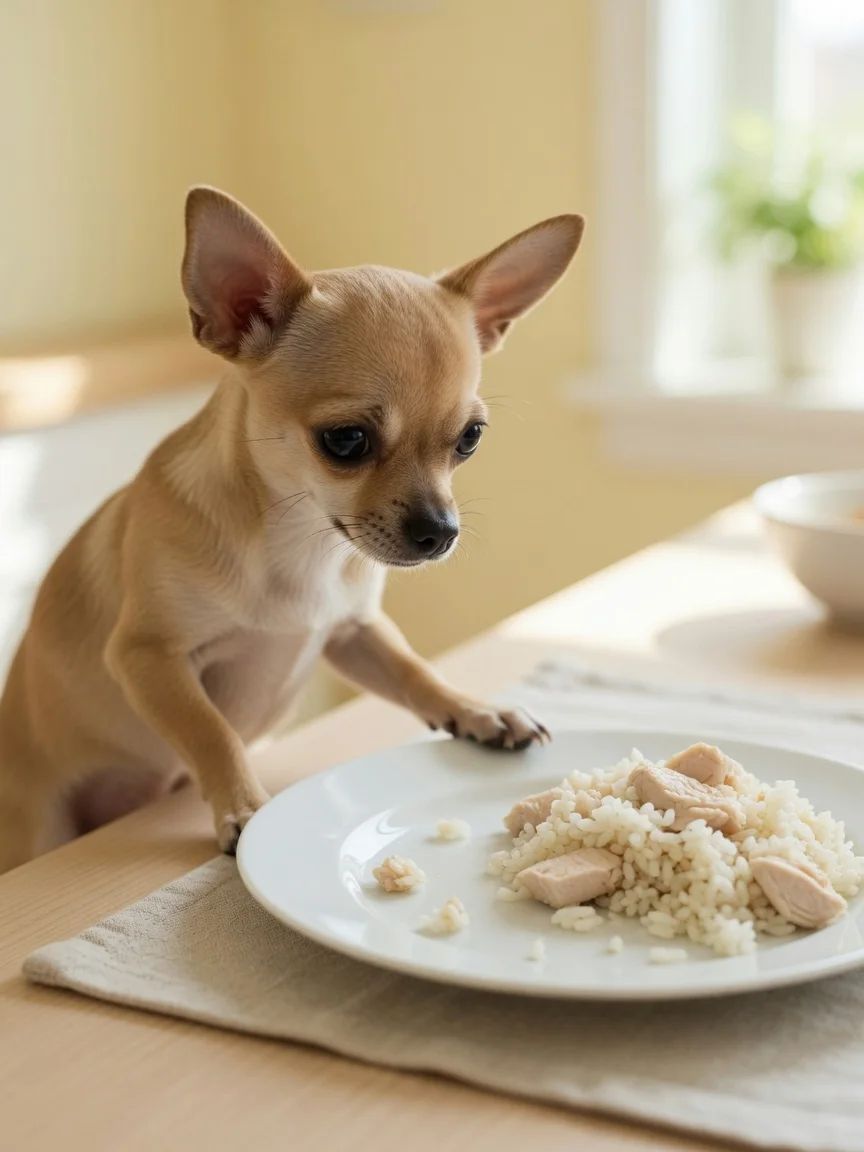
The right patient: an adult chihuahua who is bright, drinking, not vomiting, with soft-to-loose stool and no blood. For that dog: keep water constantly available and encourage drinking, offer a bland diet your veterinarian has previously endorsed, typically plain cooked chicken or lean protein with plain white rice, in several small meals, and give the gut 24 to 48 hours of boring food and boring routine. Reintroduce normal food gradually over a few days once stools firm.
The do-not list matters more here than in most articles. Do not fast a chihuahua puppy; tiny puppies slide into hypoglycemia fast, and even adult chihuahuas should not skip food beyond what your veterinarian advises. Do not give human anti-diarrhea medication; several are genuinely dangerous to dogs, and doses for a four-pound body are not a kitchen-table calculation. Do not withhold water, ever. And do not run repeated bland-diet cycles for a recurring problem; recurrence is a diagnostic clue being wasted, and it pairs with the appetite patterns in our not-eating guide.
When to call your veterinarian
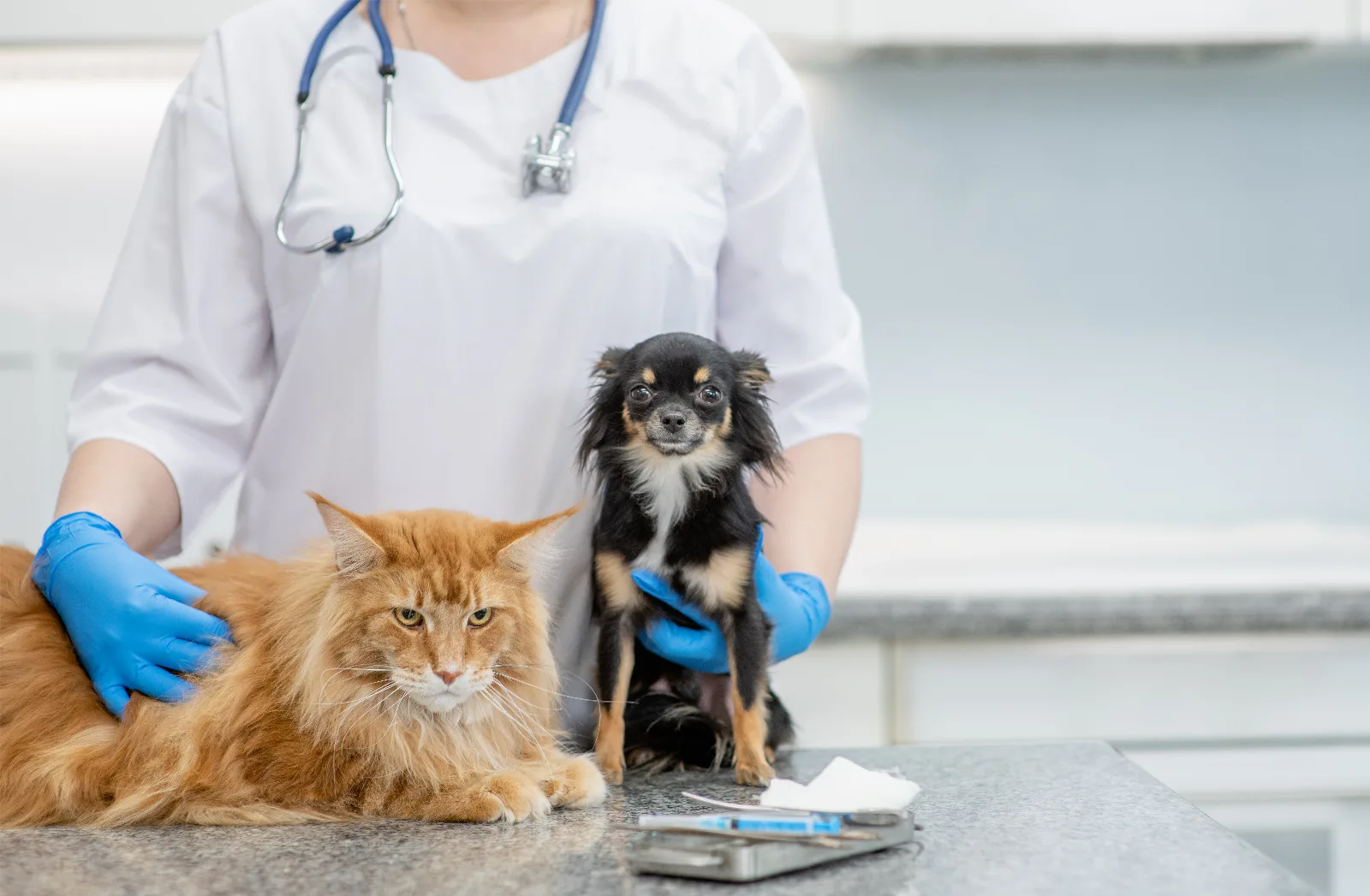
Emergency care now: black-tarry stool or significant fresh blood; diarrhea with repeated vomiting; a weak, collapsed, or unresponsive dog; a swollen painful belly; or known toxin exposure. Same-day call: any diarrhea in a chihuahua puppy; diarrhea with vomiting, refusal to drink, fever, or marked lethargy; or an adult still watery after 24 to 48 hours despite the bland plan.
Routine appointment: recurring soft stool, week after week; suspected food sensitivity; or a recent adoptee who has never had a stool check. Monitor at home: one to two days of mild soft stool in a bright, hydrated adult with an obvious cause and no other signs.
Frequently asked questions
How long can chihuahua diarrhea safely last at home?
For a bright, drinking, non-vomiting adult: 24 to 48 hours on a bland plan is the sensible outer limit. Improvement should be visible inside that window; anything longer, or any worsening, moves it to the clinic. Puppies get no home window at all.
What can I give my chihuahua for diarrhea?
Water always, and a bland veterinarian-endorsed diet in small meals. Nothing from the human medicine cabinet; common human anti-diarrheals can be harmful to dogs, and dosing for a dog this small is precisely the kind of thing that goes wrong. If it feels bad enough to medicate, it is bad enough to call.
Is it normal for a chihuahua to poop many times a day?
A few times daily is ordinary, tracking meals and routine. A sudden jump in frequency, straining with little result, or accidents in a house-trained dog signals gut trouble, and paired with watery stool it starts the same clocks described above.
My chihuahua has diarrhea but acts completely normal. Vet or wait?
A bright adult with a plausible cause can have the 24-to-48-hour home window with bland food and water. Watch the trend line rather than any single stool, and let blood, vomiting, lethargy, or a stalled recovery end the experiment early.
Diarrhea in a chihuahua is a race between an ordinary gut wobble and a very small fuel tank, and the owner's job is timekeeping. Water within reach, bland food in small portions, notes on what comes out, and a hard stop on the home experiment at 48 hours. Most episodes end at boring. The deadlines exist for the ones that do not.



No comments yet
Leave a comment