The Dundee rescue story could not be verified. This practical guide explains what a finder can responsibly do for a frightened, injured, or unidentified Chihuahua.
A tiny dog alone beside a road can create instant urgency. The safest response is not to rush, chase, or take the dog home without telling anyone. It is to reduce immediate danger, observe carefully, and connect the animal with the official lost-dog system.
The original “tiny Chi saved by Dundee woman” story could not be verified. There is no responsible basis for inventing the woman, the location within Dundee, or what happened to the dog. What can be verified is the route a finder in Dundee or elsewhere in Scotland should use.
Quick answer: No, the Dundee rescue story could not be verified. A finder who encounters a tiny, frightened or injured Chihuahua should first reduce immediate danger by controlling the scene, avoiding chase or direct confrontation, and seeking veterinary advice if the dog is hurt. Report the stray promptly to Dundee City Council’s Animal Control Service or the local dog warden, allow a professional microchip scan, and keep detailed records of location, photographs, and containment. Only confirmed owners with matching evidence should receive the dog, ensuring a safe, traceable outcome.
Control the scene before approaching the dog
Slow traffic if you can do so without stepping into the road. Ask bystanders to stand back and stop calling or chasing. A frightened Chihuahua may run from direct eye contact, outstretched hands, or a circle of helpers.
Turn your body slightly sideways, lower yourself without looming, and allow distance. Speak quietly. Food tossed behind or beside the dog may help the animal pause, but do not use food to pull a dog into a trap you cannot safely close.
If the dog is injured, unable to stand, breathing abnormally, or in immediate danger, call a veterinary clinic or animal-control service for instructions. Pain can make a normally social dog bite. A blanket can sometimes help contain a very small dog, but only when the finder can do so without forcing the head, neck, or limbs.
Do not put your face close to the dog. Keep children and pets away. Gloves do not make a risky capture safe.
In Dundee, report the stray through the official route
Dundee City Council says its Animal Control Service collects stray and abandoned dogs. The Scottish SPCA advises that a found dog should be returned directly to a known owner or reported to the local council dog warden. Outside normal hours in Scotland, its guidance directs people to contact the local police station through 101.
Procedures and contact details can change, so use the current council page rather than a phone number copied from an old social post.
Reporting matters even if you can temporarily hold the dog. An owner may already be calling the council, kennels, veterinary practices, and rescue groups. A private finder who posts only in one neighborhood group can accidentally make reunification harder.
If the dog has a tag, contact the number without publishing the full tag or address. Ask a claimant to describe the dog, collar, sex, markings, and a detail not shown in your public photograph.
Arrange a microchip scan
A veterinary practice or equipped rescue may scan a found dog for a microchip. The Scottish SPCA describes this as a fast route to an owner when registration information is current.
A chip number is not a public identity card. Let the veterinary practice, council, or authorized database contact the registered keeper. Do not post the number online.
A failed scan does not prove the dog has no chip. Chips can migrate, equipment and technique vary, and foreign chips may need a different lookup route. Official handlers can decide whether a repeat scan is appropriate.
Photograph the dog from several angles for the report, but avoid showing every identifying feature publicly. Keep the original files and record when and where the dog was found.
Use safe temporary containment
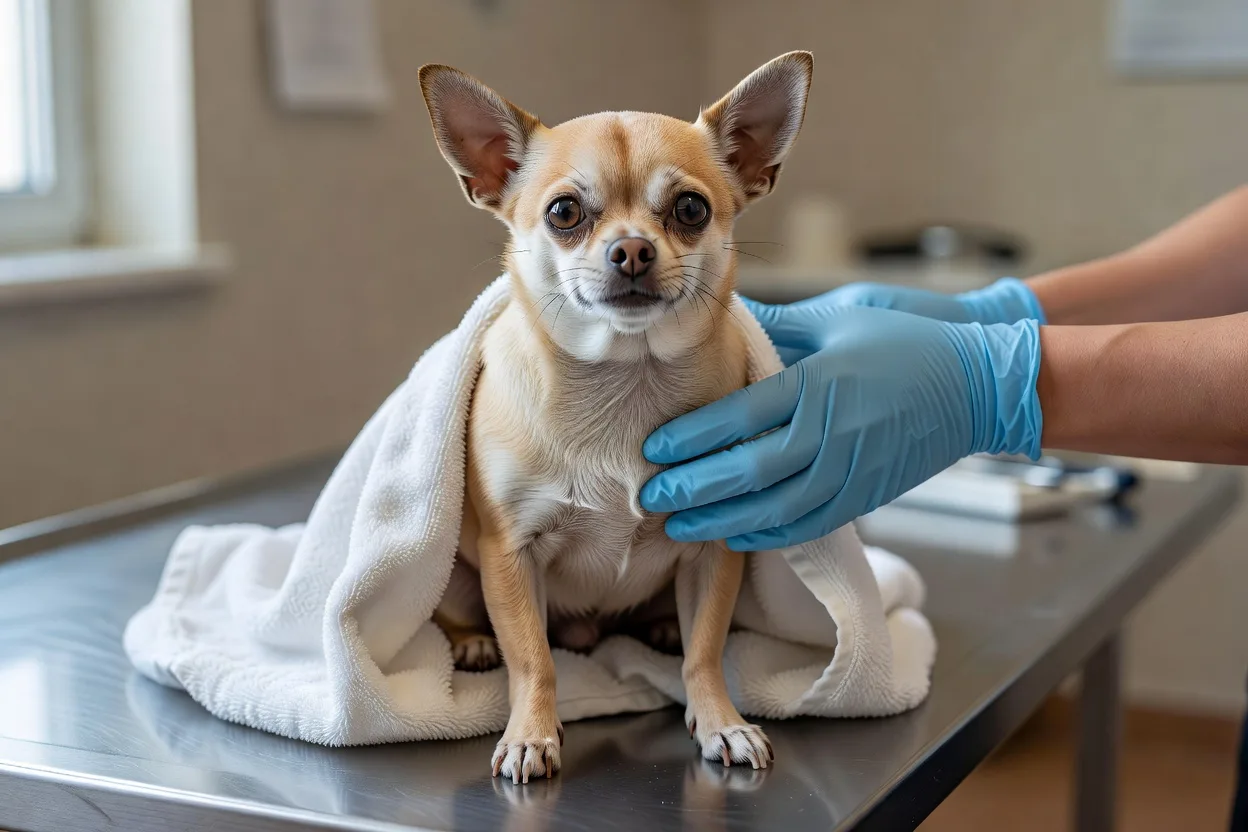
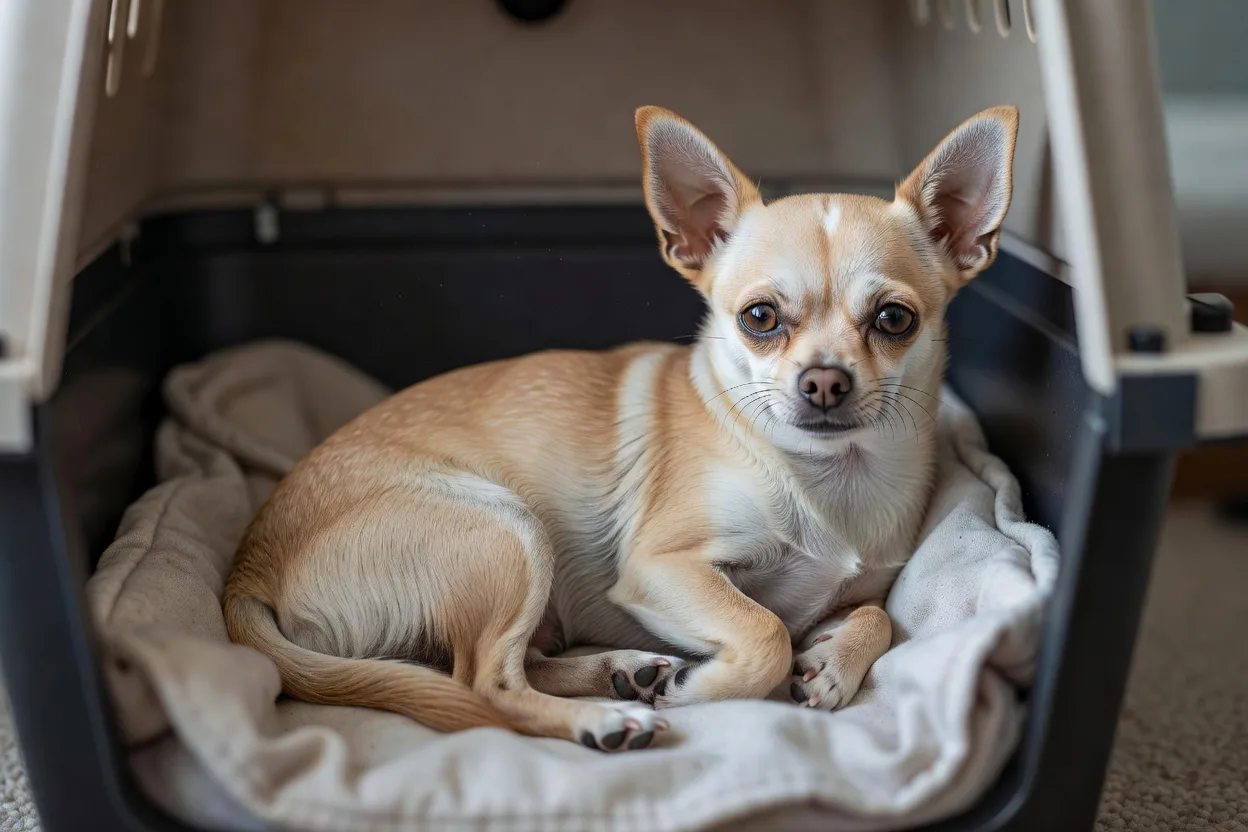
If officials ask you to hold the Chihuahua briefly, use a quiet room or secure crate away from your own animals. Check doors, gaps, and windows. Small dogs can pass through openings that look harmless.
Provide water. Do not offer a large meal to an emaciated, vomiting, or medically fragile dog without veterinary advice. Do not bathe, groom, medicate, or remove tightly attached material unless a professional directs you.
Use a slip lead only if you know how to prevent tightening and escape. A secure harness may be better after the dog has been assessed, but fitting one can require close handling. Never attach a lead only to a loose collar and assume a frightened Chihuahua cannot back out.
Dogs Trust recommends allowing a rescue dog to settle at their own pace, avoiding forced interaction, providing an undisturbed resting area, and building a predictable routine. Those principles are useful even during a short hold.
Reunite with evidence, not enthusiasm
A person who says “that is my dog” should provide evidence. Useful proof can include veterinary records, microchip registration, dated photographs, adoption paperwork, or accurate descriptions withheld from the public post.
Let the official agency manage a disputed claim. Do not arrange a confrontation or accept payment to release a found dog. Blue Cross warns that missing-pet searches can attract scams; finders and owners should be cautious about demands for fees.
When the owner is confirmed, transfer the dog in a secure enclosed area. Record who received the dog and notify every organization that logged the animal.
A safe rescue leaves a record
Good intentions are not the same as a safe process. The finder should be able to explain where the dog was seen, what hazards were present, how the dog was contained, who scanned it, and which authority received the report.
That record protects the Chihuahua, the owner, and the person who stopped to help. It also gives an unverified rescue idea a truthful, useful ending: not a made-up hero, but a set of actions any careful neighbor can take.
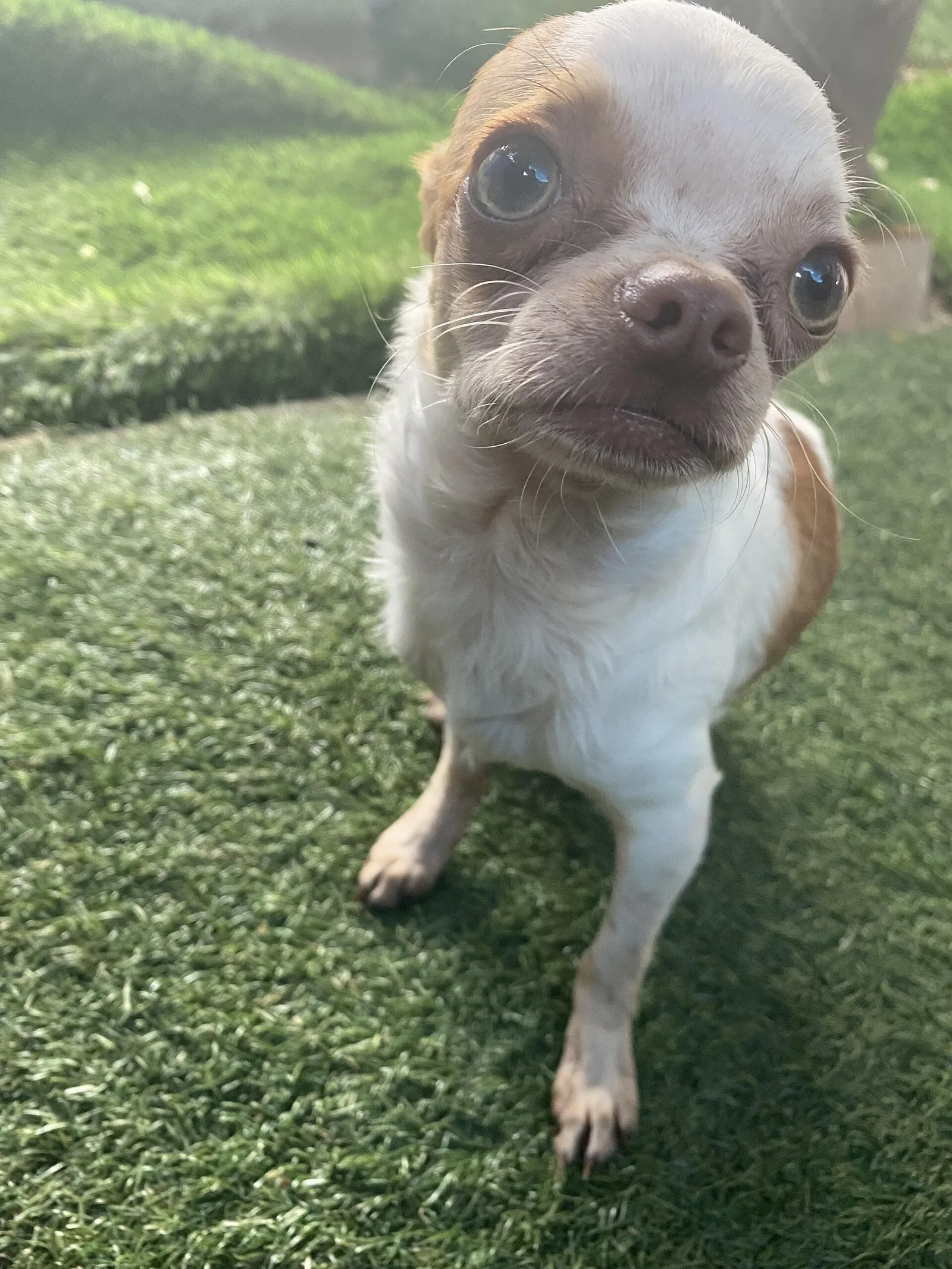
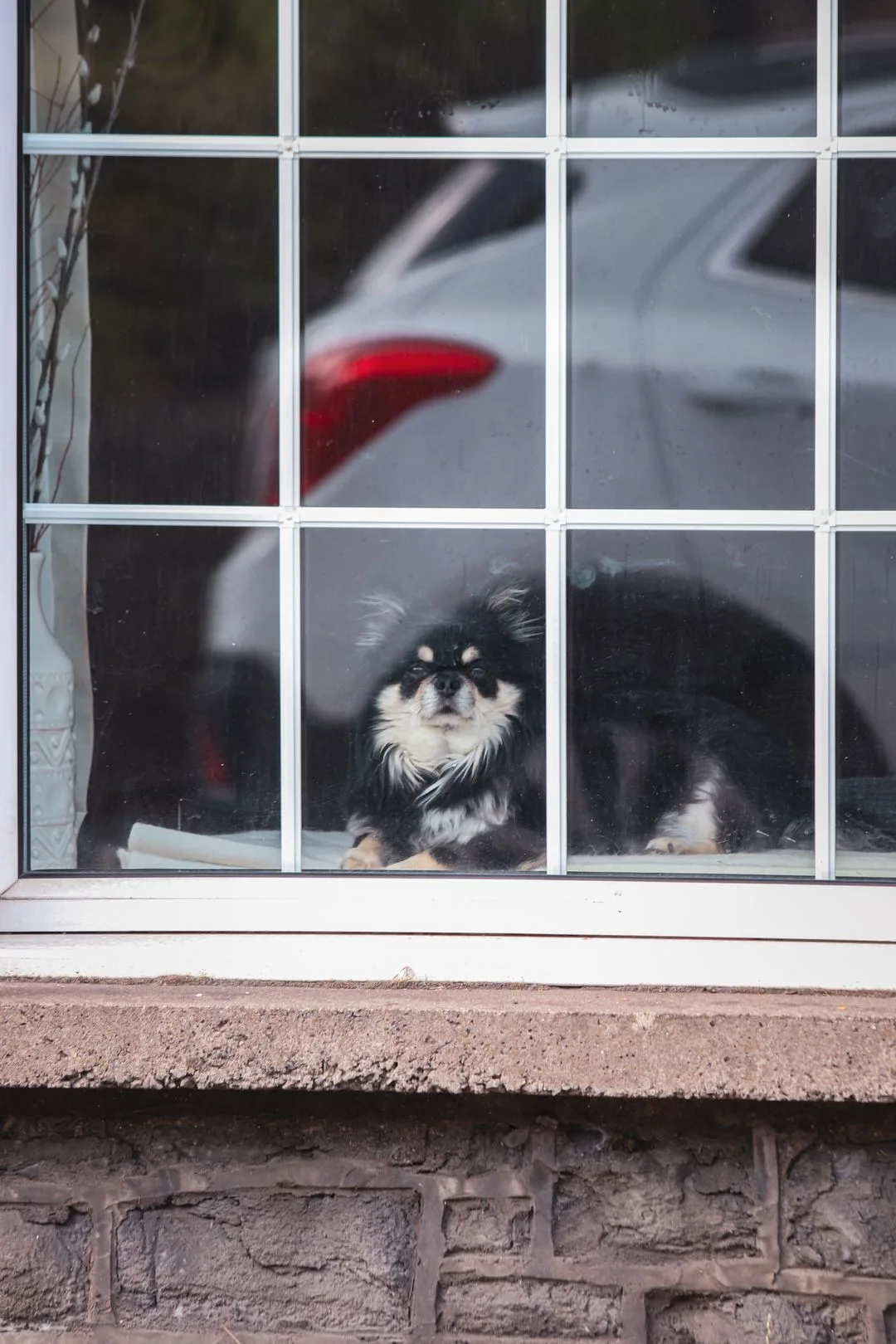
Featured photograph: Rotemushy / Wikimedia Commons (CC BY-SA 4.0), via Wikimedia Commons. It is an illustration and does not depict the animals described in this article.


No comments yet
Leave a comment