Lola may weigh only two pounds, but video from Sunflower Farm shows her moving confidently among goat kids. The fun story still needs a clear welfare boundary.
Lola had the dimensions of a pocket pet and the confidence of a farm supervisor.
Video recorded at Sunflower Farm Creamery in Cumberland, Maine, shows the two-pound dog moving among goat kids, following them, darting across their path, and looking thoroughly at home in the group. ABC News called her a Chihuahua. The farm's own video description gives the fuller version, a Chihuahua, Maltese, and Yorkshire Terrier mix of about two pounds, which is the only source for her weight.
The internet supplied the irresistible job title—goat herder. It fits the visual joke, but Lola was not documented as a trained livestock dog. She was a tiny farm companion whose bold movement around the goats made a memorable video.
Quick answer: No, Lola was not a trained goat herder. Video from Sunflower Farm Creamery in Cumberland, Maine, shows the two-pound Chihuahua, Maltese, and Yorkshire Terrier mix moving confidently among goat kids in 2017. The farm presented the interaction as playful companionship rather than formal herding work. ABC News and Storyful circulated the clip, which relies on the visual contrast in size for its appeal. The story highlights welfare boundaries, active supervision, and biosecurity needs when small dogs share space with livestock.
The verified story is delightfully small
The clip circulated in 2017 through ABC News and Storyful, which credited Sunflower Farm. The farm is known for Nigerian dwarf goats and for sharing daily animal life with a wide audience.
In the footage, Lola appears engaged and mobile while goat kids move around her. That is enough to explain the appeal. The mismatch in scale makes each turn look dramatic: little dog, comparatively long-legged goats, and no visible uncertainty from Lola.
There is no need to claim she controlled an entire herd, protected livestock, or performed formal commands. The source pages do not establish training credentials, working hours, or a measurable task.
Calling her a “goat herder” is best understood as affectionate description, not evidence that toy-breed dogs should be sent into livestock pens.
Why Lola may look like she is herding
Dogs can influence animals simply through position, speed, eye contact, and movement. When one animal crosses another’s path, the second may turn or bunch with companions. Viewers then read intention into the pattern.
Lola may also have been playing, following familiar goats, responding to people off camera, or repeating behavior that had previously been rewarded. The short clip cannot tell us exactly what motivated every movement.
Breed ancestry alone does not answer it either. Chihuahuas, Maltese, and Yorkshire Terriers are not livestock-herding breeds, but individual dogs still chase, circle, follow, investigate, or learn routines.
The accurate observation is simple: Lola’s behavior changed where some goat kids moved, and the people who knew her presented the interaction as playful farm life.
Familiarity does not remove risk
A calm goat can injure a two-pound dog by stepping sideways, landing from a jump, butting, crowding, or pinning the dog against fencing. A small dog can also nip ears, heels, or faces and create panic.
Goat kids grow quickly. A relationship that appeared manageable at one age may become unsafe as size, horns, play style, breeding status, illness, or group dynamics change.
Food raises another problem. Dogs should not raid livestock feed, mineral products, medication, or manure. Goats should not have access to dog food or treats. Gates, storage, and feeding routines need to prevent both.
Parasites and infectious disease can cross or circulate in shared environments. Farm veterinarians should guide vaccination, parasite control, quarantine, waste management, and any direct interspecies contact.
Supervision must be active
Active supervision means an adult is close enough to intervene, watching both species, and not filming through a developing problem. The dog should have a reliable recall or removal plan, and the goats must have space to move away.
Use secure barriers for rest and feeding. Never tether a tiny dog inside a livestock enclosure; a leash can wrap around legs, fencing, or horns. If a leash is needed for introduction, handle it from outside a safe barrier under knowledgeable guidance.
Stop the session when the dog stiffens, fixates, stalks, barks continuously, nips, pants heavily, hides, or ignores recall. Also stop when a goat lowers its head, stamps, charges, crowds, vocalizes sharply, or repeatedly tries to escape.
A funny clip is not worth one animal learning to fear the other.
Do not copy the video at a petting farm
Visitors should not bring a Chihuahua into a goat enclosure unless the facility explicitly allows it and directly manages the contact. A dog friendly with animals at home may react differently to unfamiliar movement, smells, children, food, and noise.
Do not set a dog down beside goat kids for a photograph. Do not encourage chasing because Lola’s clip looked cute. Do not assume picking the Chihuahua up will end the danger; a startled goat may jump toward the handler.
Follow farm biosecurity rules. Some facilities prohibit outside dogs to protect livestock from disease and stress. Service-animal access questions should be discussed with the operator before arrival so a safe plan can be made.
Enrichment does not require livestock
Lola’s confidence can inspire safer activities at home. A Chihuahua can practice moving between cones, circling a mat, targeting a hand, following directional cues, finding treats, or navigating a low obstacle course.
Reward-based training builds the same enjoyable impression of a tiny dog with a big assignment. Keep sessions brief, use nonslip surfaces, and choose obstacles the dog can step over without jumping from height.
If a Chihuahua shows intense chasing behavior, work with a qualified positive-reinforcement trainer. Management—leashes, fences, distance, and practiced recalls—comes before testing self-control around other animals.
Use the original media lawfully
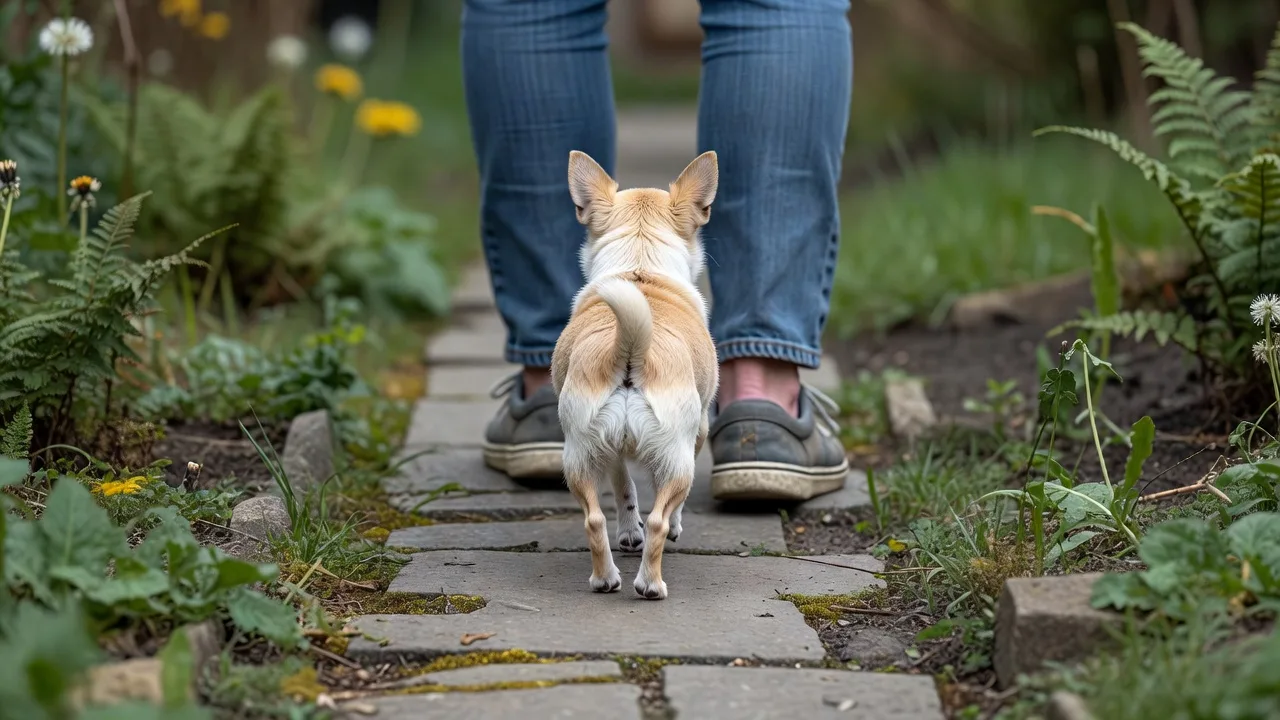
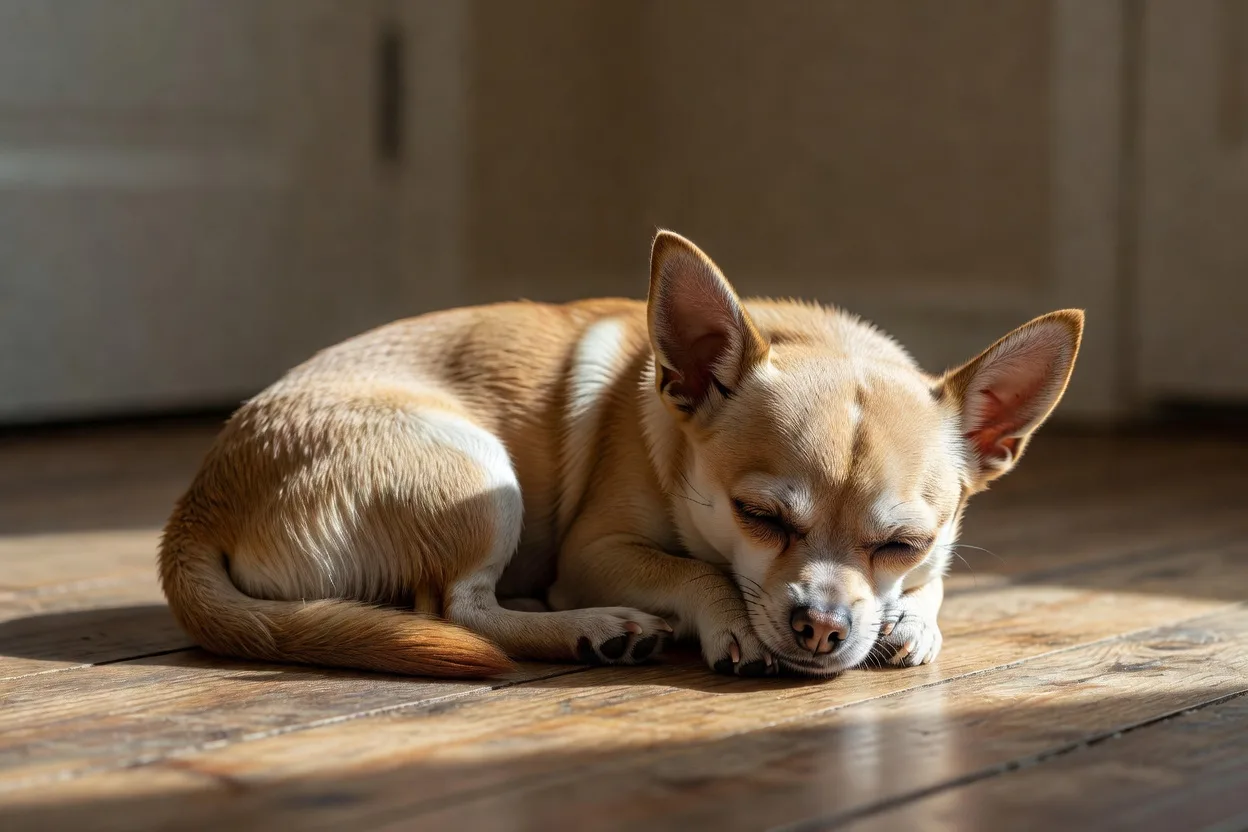
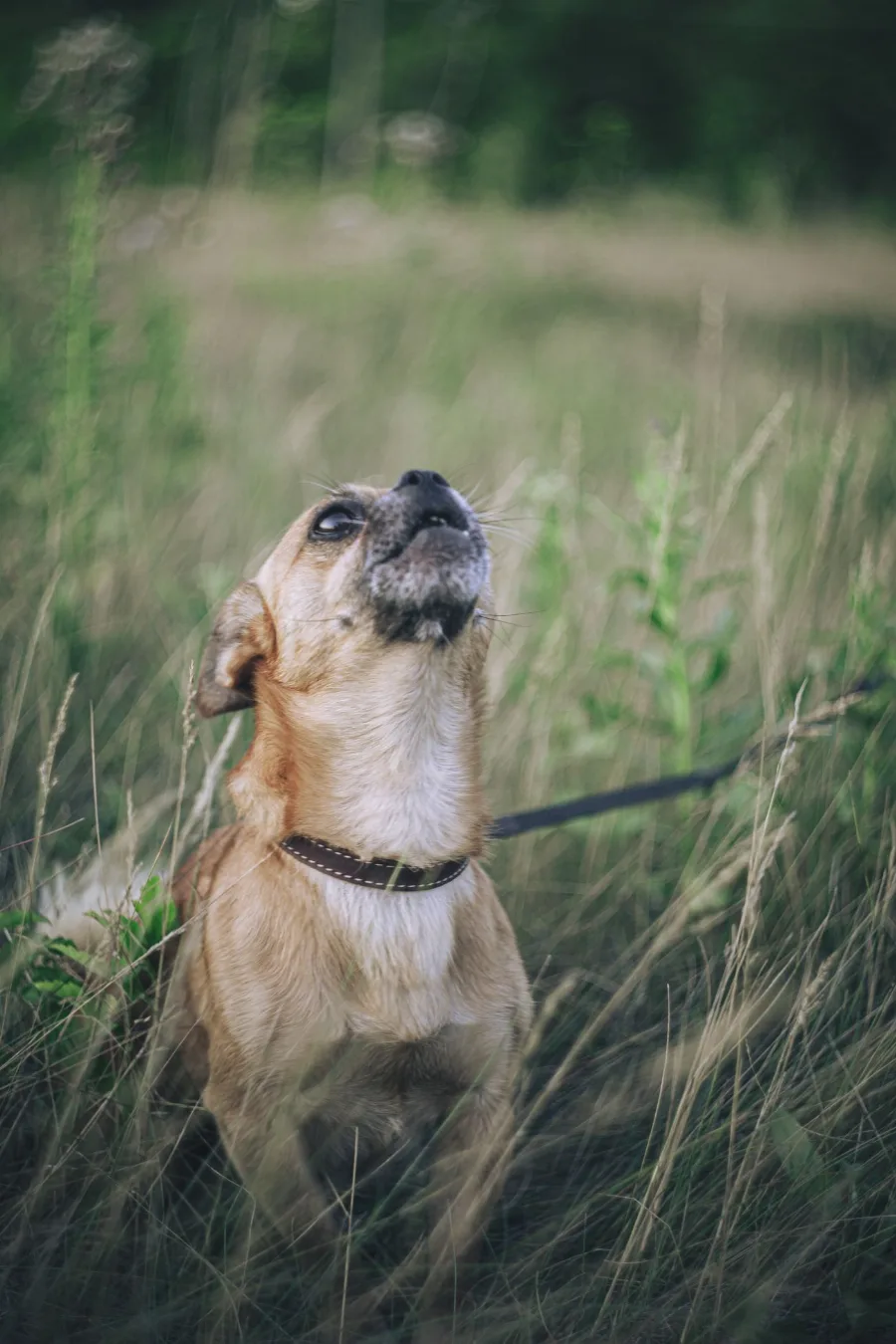
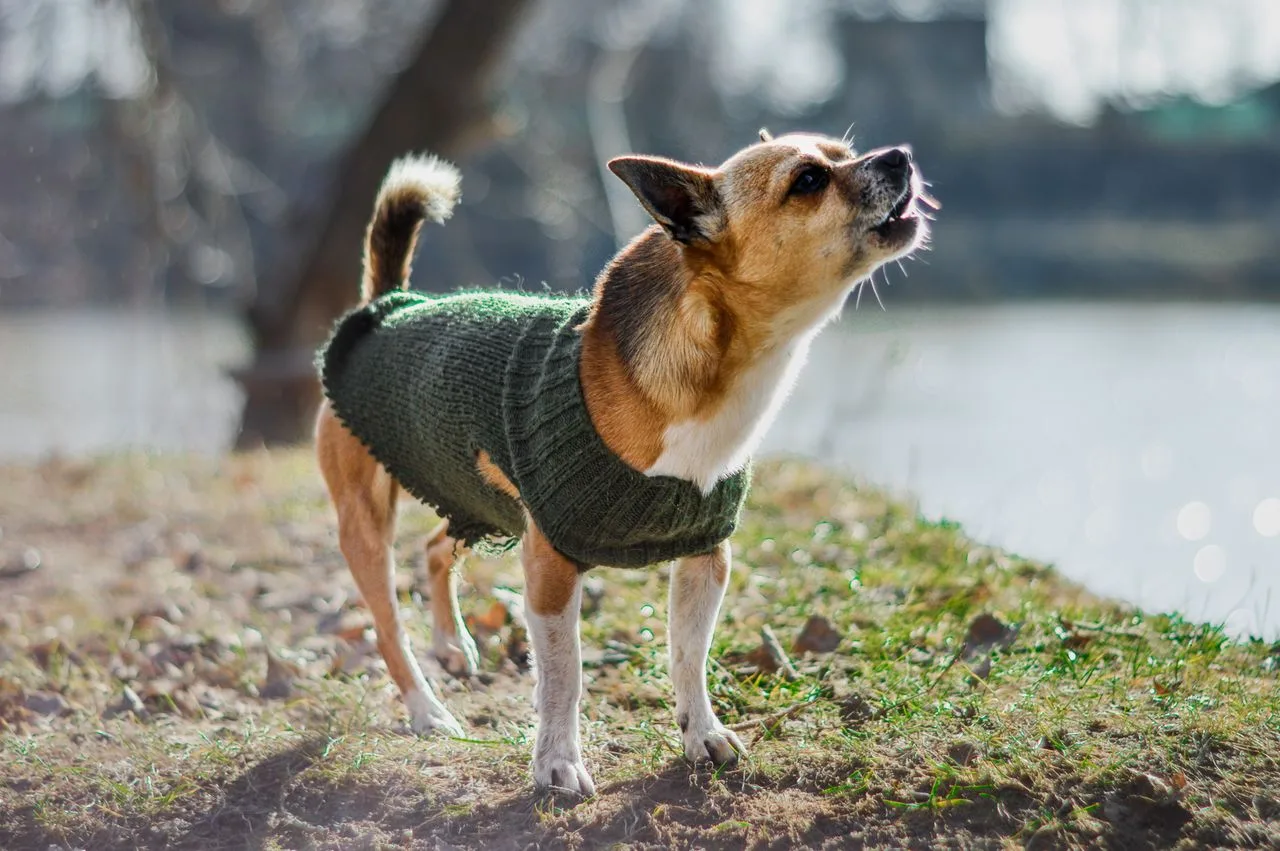
The Lola footage is copyrighted and remains reference-only in this package. A publisher should seek permission or use an authorized embed under the platform’s and owner’s current terms. The three downloaded Chihuahua images are licensed illustrations; they do not show Lola or Sunflower Farm.
Any caption should identify her as a two-pound Chihuahua mix and avoid saying she was a certified herding dog. Credit Sunflower Farm and the video licensor exactly as required.
Lola’s appeal does not depend on exaggeration. She was extraordinarily small, visibly confident, and comfortable enough in that farm setting to create a scene people remembered.
That is more than enough personality for two pounds.
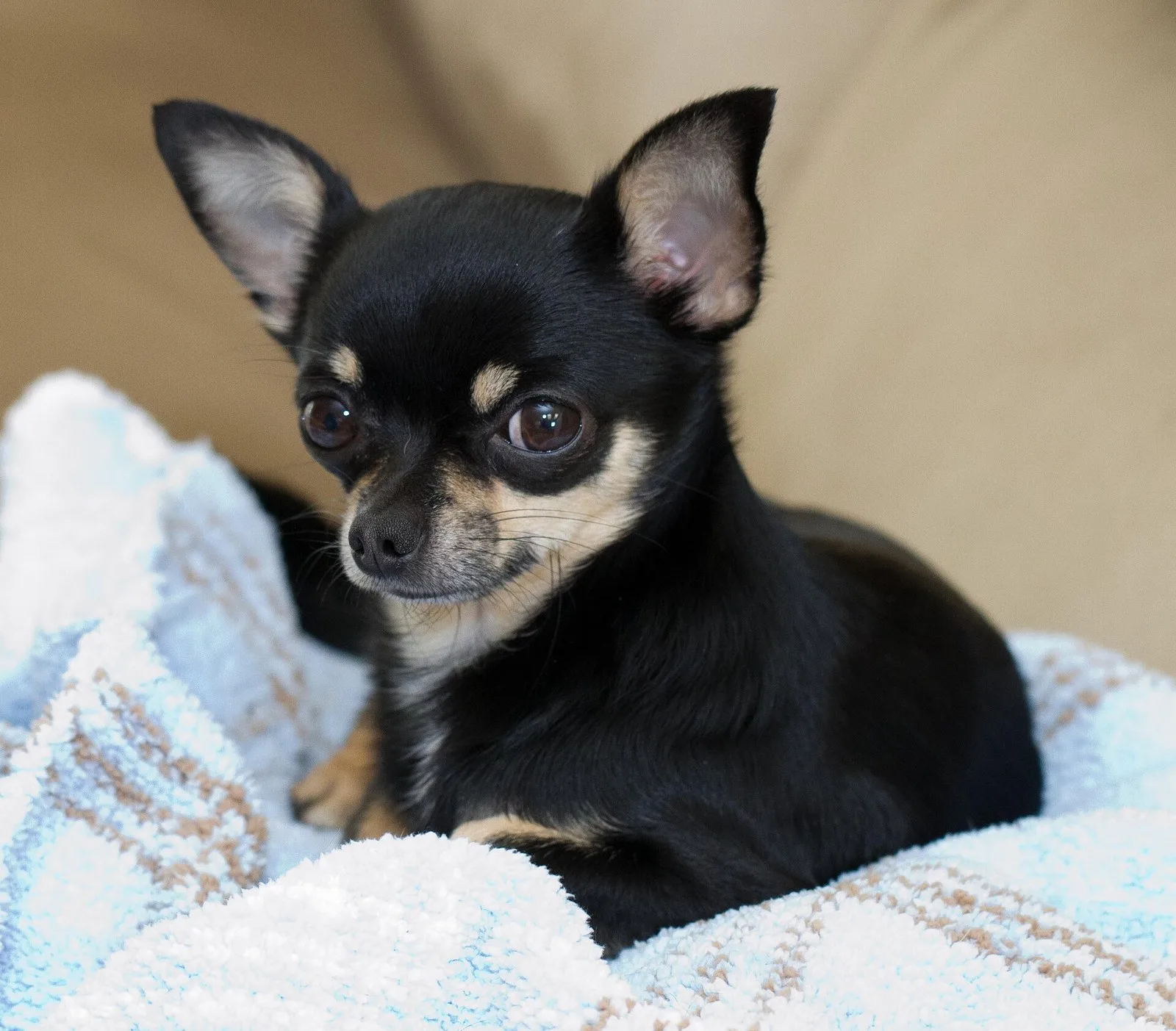
Featured photograph: Jean G from United States / Wikimedia Commons (CC BY 2.0), via Wikimedia Commons. It is an illustration and does not depict the animals described in this article.

No comments yet
Leave a comment