The red nails were real, and the adoption was real. The story that Pierre had been found trapped in a dirty purse behind a restaurant was not.
In July 2015, a tiny Chihuahua mix named Pierre arrived at SPCA for Monterey County with red-painted nails and a dramatic backstory. A woman said she had found him crying inside a dirty lavender carrier behind a restaurant in Salinas, California.
The account spread widely. Then the shelter received information that contradicted it. ABC News reported that the woman admitted she had purchased the puppy from a homeless person and fabricated the discovery.
Pierre still needed care, and he still found a home. The correction did not make the dog less worthy. It made accurate reporting more important.
What was verified
Pierre was a very young Chihuahua mix surrendered to SPCA for Monterey County in July 2015. Photographs showed painted nails. The shelter cared for him and reported that a California family adopted him on August 7.
The woman who brought him in had interacted with the dog before surrender. According to shelter spokesperson Beth Brookhouser, she later acknowledged that she did not find Pierre trapped behind the restaurant as initially claimed.
The shelter said no charges would be filed and emphasized that animals could be surrendered without an invented story.
Those are the defensible facts. Details in the original abandonment narrative should appear only when explaining the correction, never as if they remain true.
Why the false version traveled
The first story offered a vivid object, a helpless puppy, a clear villain, and a rescue. Painted nails and a lavender bag supplied memorable images. News and social posts could compress the entire narrative into one emotional sentence.
But vivid detail is not evidence. A person delivering an animal may be frightened, ashamed, confused, protecting someone, seeking attention, or repeating hearsay. A shelter intake statement is a lead, not independent confirmation.
Once the story circulates, repetition creates the appearance of corroboration. Ten websites may all trace back to one unverified conversation.
Publishers should identify the original source, label claims as claims, and seek documents, witnesses, video, or authority statements before converting them into fact.
The correction belongs near the top
A correction should not hide beneath the false story after hundreds of words. Readers who saw the first headline need the new fact immediately: the shelter said the abandonment account was fabricated.
The corrected headline should also preserve what remained true. Pierre existed, entered shelter care, and was adopted. “Everything was fake” would be another inaccuracy.
Link the earlier version, timestamp the correction, state who supplied the new information, and explain which sentences changed. Do not silently edit the page in a way that leaves syndicated copies unaddressed.
If social posts carried the error, correct them on the same accounts. A quiet website note cannot catch readers who saw only a platform caption.
Rescue organizations can design for honesty
People surrender pets for complicated reasons. Humiliating them can encourage dumping, delay veterinary care, or produce more fabricated narratives.
An intake process should ask neutral questions needed for medical, ownership, and behavior decisions. Staff can explain confidentiality limits and legal obligations without demanding a dramatic justification for help.
Current rules vary by shelter and jurisdiction. Owners should contact the organization before arriving, disclose urgent medical or safety concerns, provide records, and answer ownership questions truthfully.
The SPCA’s reported response in Pierre’s case offered a useful public message: an animal did not need a sensational origin story to qualify for care.
Readers can verify rescue posts too
Before donating or reposting, locate the shelter’s official site and phone number independently. Confirm that the animal is in its care and that the fundraiser belongs to the organization or an authorized partner.
Reverse-search images. Google’s image-context tools may reveal earlier appearances, and InVID can extract video keyframes for searching. Check whether the same photograph has circulated with different names, locations, or dates.
Ask for an intake number or official update when appropriate, but do not harass staff for private adopter information. Legitimate privacy limits are not proof of a scam.
Watch for urgency paired with payment to a personal account, refusal to name a clinic, copied text, disabled comments, and shifting details. None proves fraud alone; together they justify more checking.
Painted nails were not the main welfare issue
The red nails made Pierre visually distinctive, but the correction did not establish what product was used, who applied it, or whether it caused harm. Avoid building a toxicity claim without evidence.
Human nail polish and removers are not products to casually use on dogs. A veterinarian or poison-control service should advise after licking, ingestion, skin irritation, breathing symptoms, or an unknown exposure.
Do not restrain a frightened puppy for cosmetic treatment. Any dog-safe product still requires ventilation, supervision, avoidance of licking, and the dog’s ability to opt out.
In this case, the important welfare facts were shelter intake, age-appropriate care, and placement—not a moral judgment inferred from nail color.

A correction protects the dog
Copyrighted photographs from ABC News and the SPCA remain reference-only. The licensed images in this package are generic and do not show Pierre.
False rescue stories can attract donations under bad premises, misdirect anger, expose private people, and teach publishers that emotional certainty matters more than evidence. Corrections restore some of that damage.
Pierre’s adoption did not become less meaningful when the fabricated account collapsed. It became a cleaner story: a puppy entered a shelter, staff checked new information, the record was corrected, and a family adopted him.
Animals deserve help without fiction.
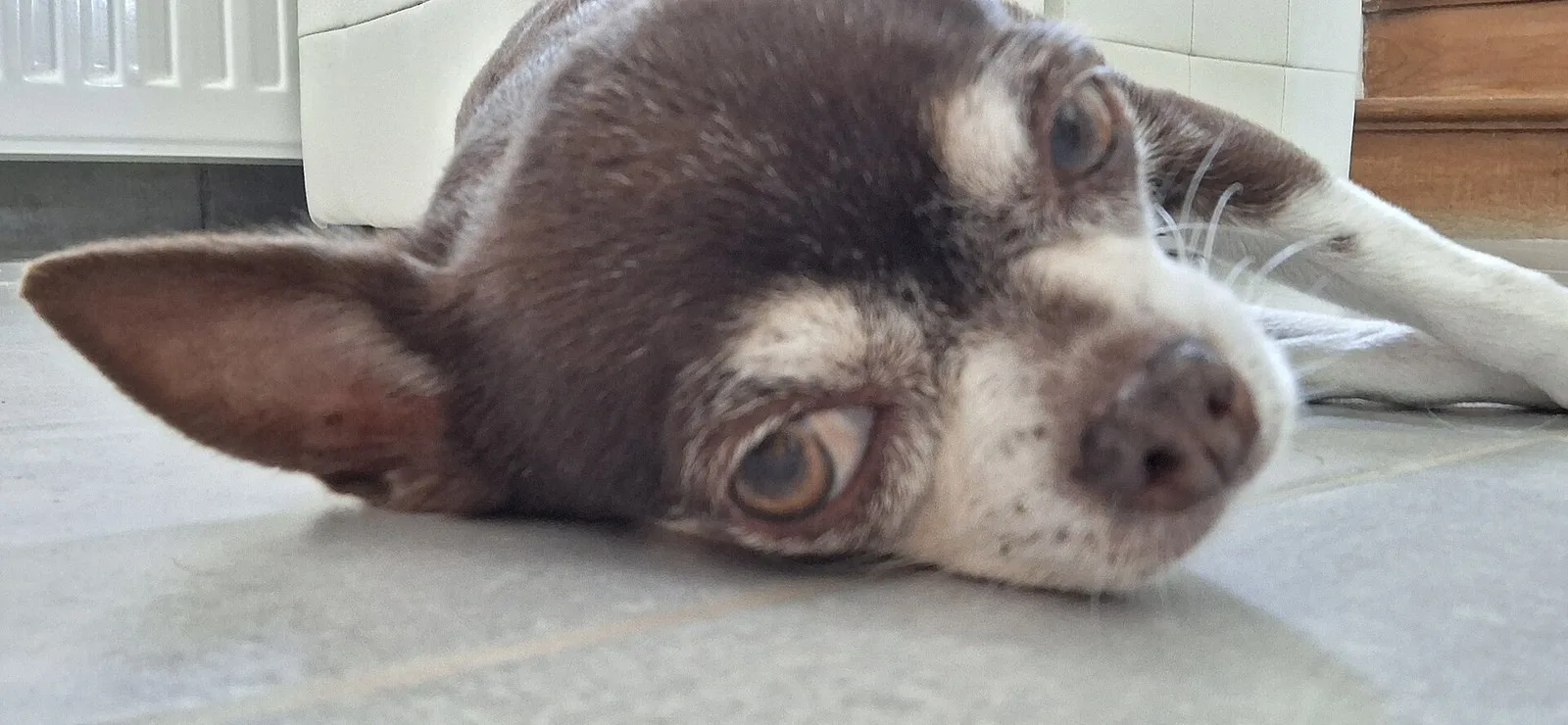
Featured photograph: Mathious Ier / Wikimedia Commons (CC0), via Wikimedia Commons. It is an illustration and does not depict the animals described in this article.




No comments yet
Leave a comment