Toby did not understand a transmission or take a joyride. The Chihuahua moved inside an unattended vehicle that then rolled into another car in Spokane.
Toby did not know how to drive. He did not choose a destination, grip a steering wheel, or understand what happened next.
The Chihuahua did move around inside an unattended car in Spokane, Washington, in January 2014. According to Time’s contemporary report, Toby knocked the vehicle out of gear. It rolled into another car occupied by Tabitha Ormaechea while Toby’s owner, Jason Martinez, was inside a store.
The collision caused minimal damage, and the stronger account says nobody was hurt. The absurd headline wrote itself. The prevention lesson is more serious.
Quick answer: No, Toby the Chihuahua did not drive or take a joyride. The dog moved around inside an unattended vehicle in Spokane, Washington, in January 2014 and knocked the transmission out of gear, causing the car to roll into another vehicle occupied by Tabitha Ormaechea while owner Jason Martinez was in a store. The collision produced minimal damage and, according to the stronger report, nobody was hurt. No source indicates the Chihuahua understood or intentionally operated the car.
What the report actually establishes
Martinez reportedly left Toby in the parked vehicle during a short store visit. While the owner was away, the car began moving and struck Ormaechea’s vehicle.
Time attributed the movement to Toby knocking the transmission out of gear. The Chihuahua was still in the car when Martinez returned. No source suggests the dog understood or intentionally operated it.
A later Latin Post page repeated the story but paired a headline alleging an injury with body text saying there were no injuries. That internal contradiction is why the article does not repeat the injury claim.
The defensible summary is that a loose dog reached vehicle controls, a parked car rolled, a minor collision occurred, and the available stronger report recorded no injury.
“Only a minute” does not control a car
Drivers often picture the engine off and parking brake set as the end of the risk. A dog can still move between seats, press buttons, interfere with a gear selector, activate a window, lock doors, chew wiring, or escape when someone opens a door.
Mechanical condition, slope, transmission design, and parking-brake use also matter. A vehicle may roll because of more than one failure. Drivers should follow the manufacturer’s exact parking procedure every time, even on level ground.
Turn the engine off, place the transmission in the specified parked state, engage the parking brake, remove or secure the key, and confirm that the vehicle cannot move before anyone exits.
A pet should never be the test of whether those steps worked.
Restrain the Chihuahua before the trip begins
A loose Chihuahua can be injured by normal braking, distract the driver, reach the footwell, interfere with steering, or be thrown during a crash. Holding the dog does not create reliable protection; a person cannot maintain a safe grip under collision forces.
Choose a travel carrier or restraint appropriate for the dog and vehicle. Independent crash-testing can help buyers distinguish a product designed for travel from one marketed only for convenience. The Center for Pet Safety publishes certifications for products that meet its test protocols.
Secure a carrier according to its instructions. If using a harness restraint, verify fit around the body, inspect stitching and hardware, and never attach a vehicle tether to a collar.
Acclimate the dog in short sessions before a long drive. Distress should be addressed with training and veterinary advice, not by letting the dog roam.
The driver controls doors and windows
Use child locks when suitable, disable passenger-window controls if the vehicle allows it, and keep the Chihuahua connected to a leash before any door opens. Check that tags and microchip registry details are current.
Do not allow a dog to ride with its head out the window. Debris, sudden stops, narrow openings, and passing objects can cause injury or escape.
Plan loading and unloading away from traffic. One adult should control the dog while another manages luggage when possible. At fuel and rest stops, scan the surroundings before opening the carrier.
The safest location depends on the vehicle and restraint instructions, but the front seat is generally a poor choice because of airbags and driver distraction.
Never leave the dog unattended
The Spokane story involved physical movement, but temperature is an even more common danger. A vehicle can become unsafe rapidly in warm conditions, and cold creates its own risk for a small, short-coated dog.
Cracked windows and shade do not make unattended waiting reliably safe. The dog may also panic, be stolen, ingest something, escape, or interfere with controls.
Arrange pet-friendly stops, use another adult to stay with the dog, choose curbside service, or leave the Chihuahua safely at home when errands cannot accommodate the animal.
Remote climate features are not a substitute for supervision. Systems can fail, time can run longer than planned, and bystanders cannot easily know whether a dog is safe.
If a parked vehicle begins to roll
Keep people out of its path and call emergency services. Do not stand between vehicles or attempt to stop a moving car with your body.
Warn others, move children and animals away, and provide the location and direction of travel. If a pet remains inside, tell responders; do not create a second emergency by chasing or entering the vehicle unsafely.
After any impact, exchange information and follow local reporting requirements. A veterinarian should evaluate the dog if there was a crash, fall, breathing change, pain, or unusual behavior, even when no obvious wound is visible.
Report the joke without losing the lesson
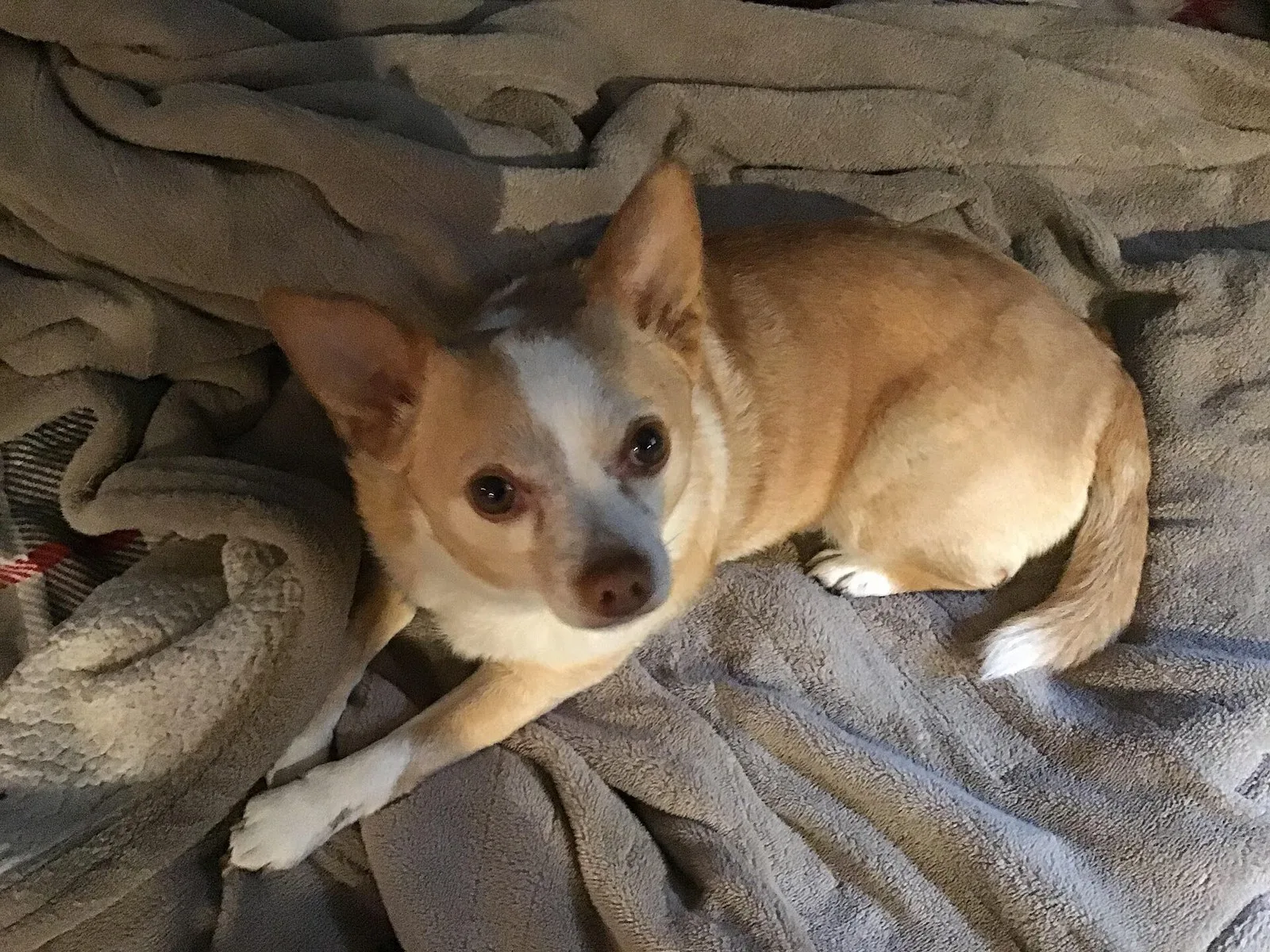
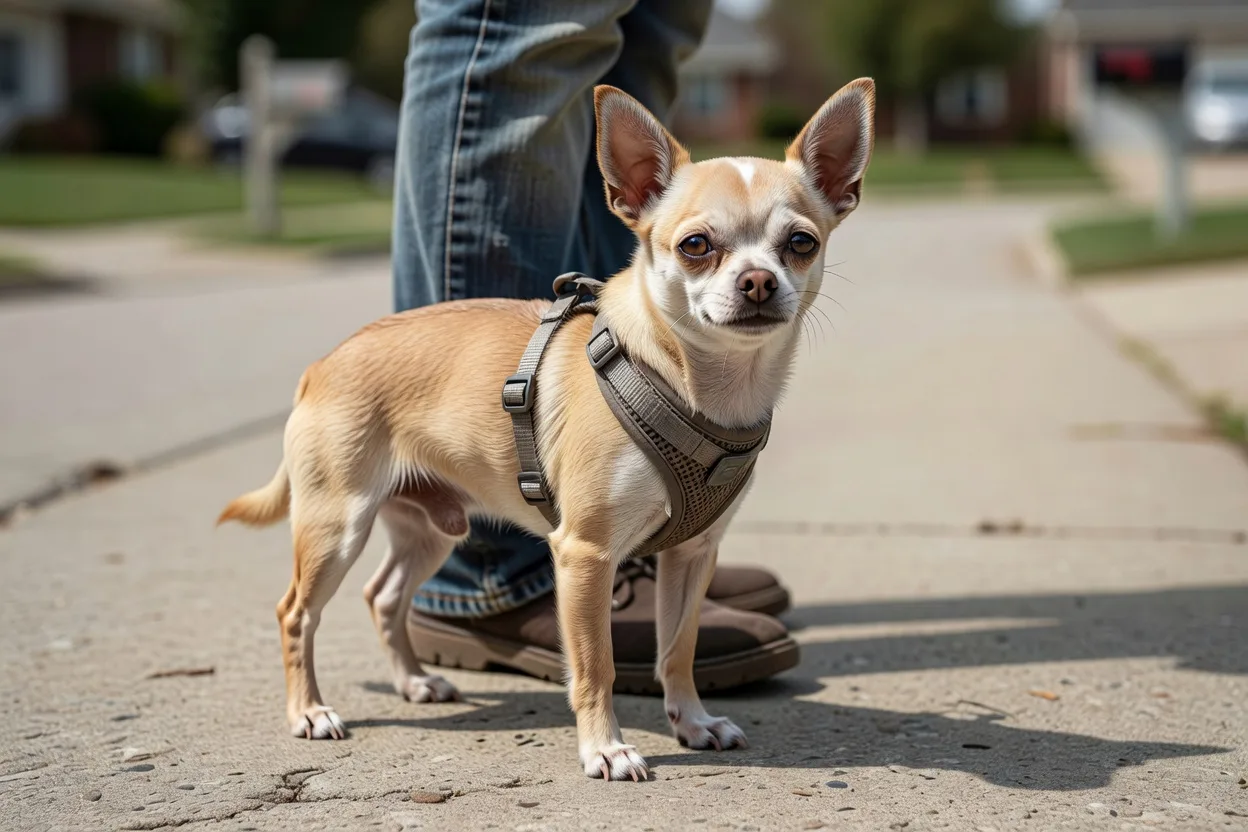
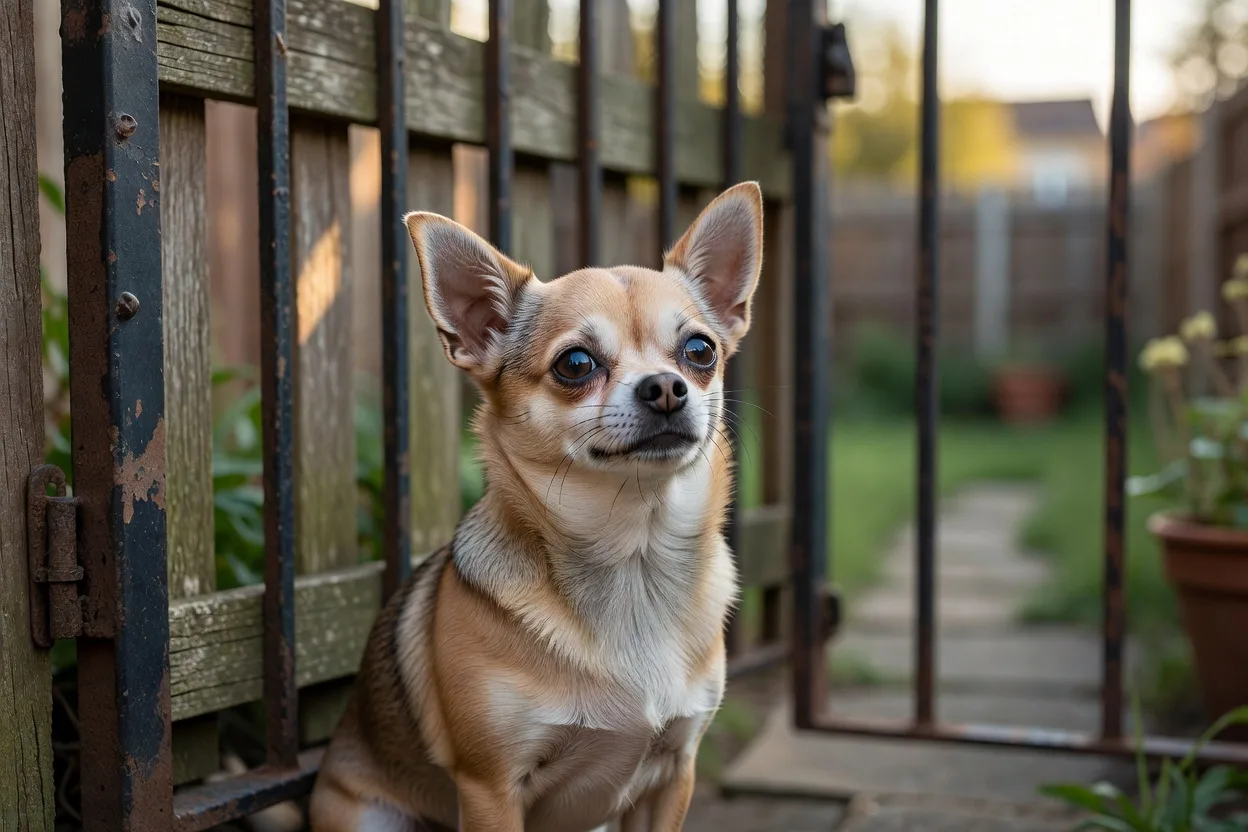
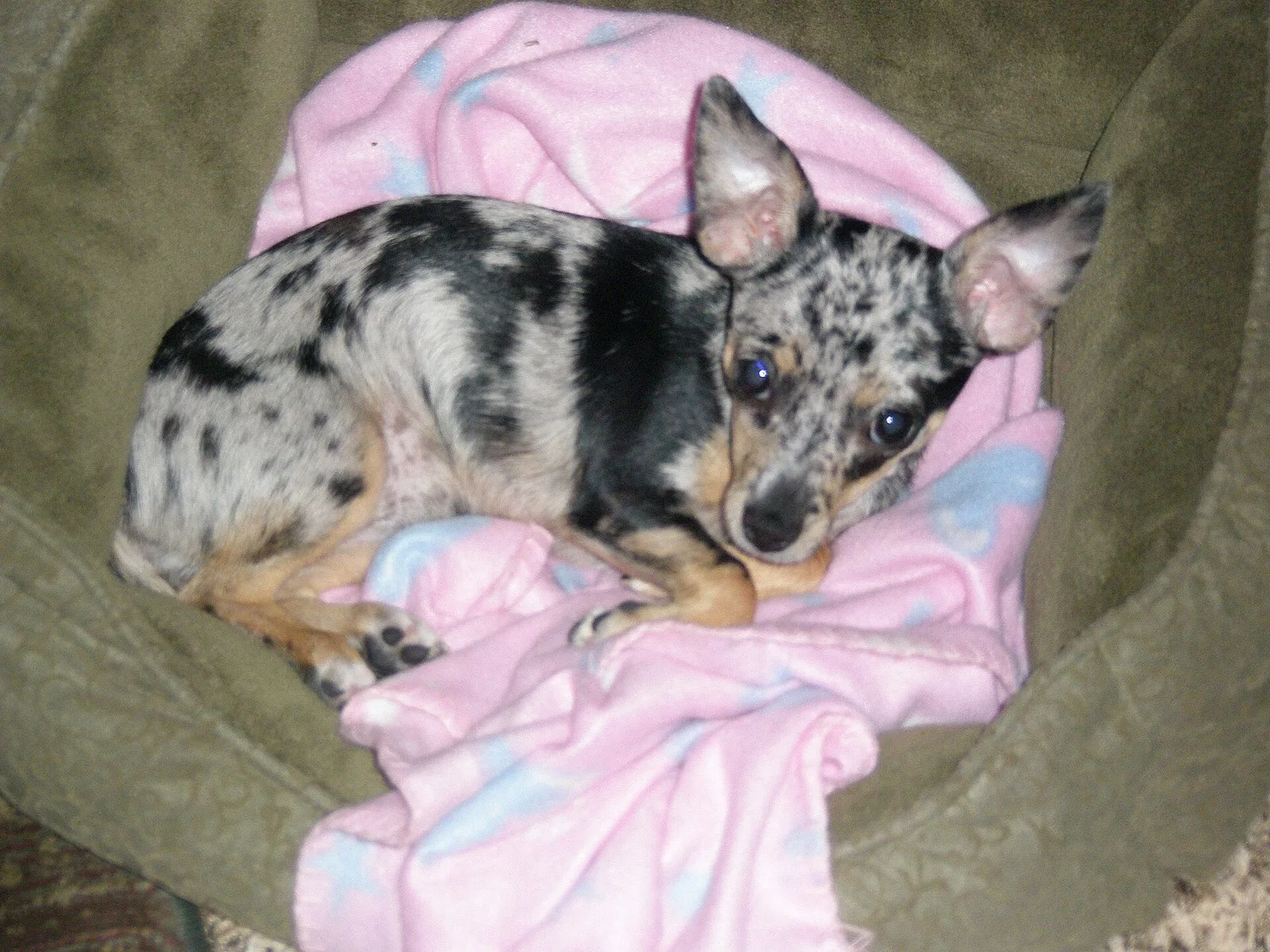
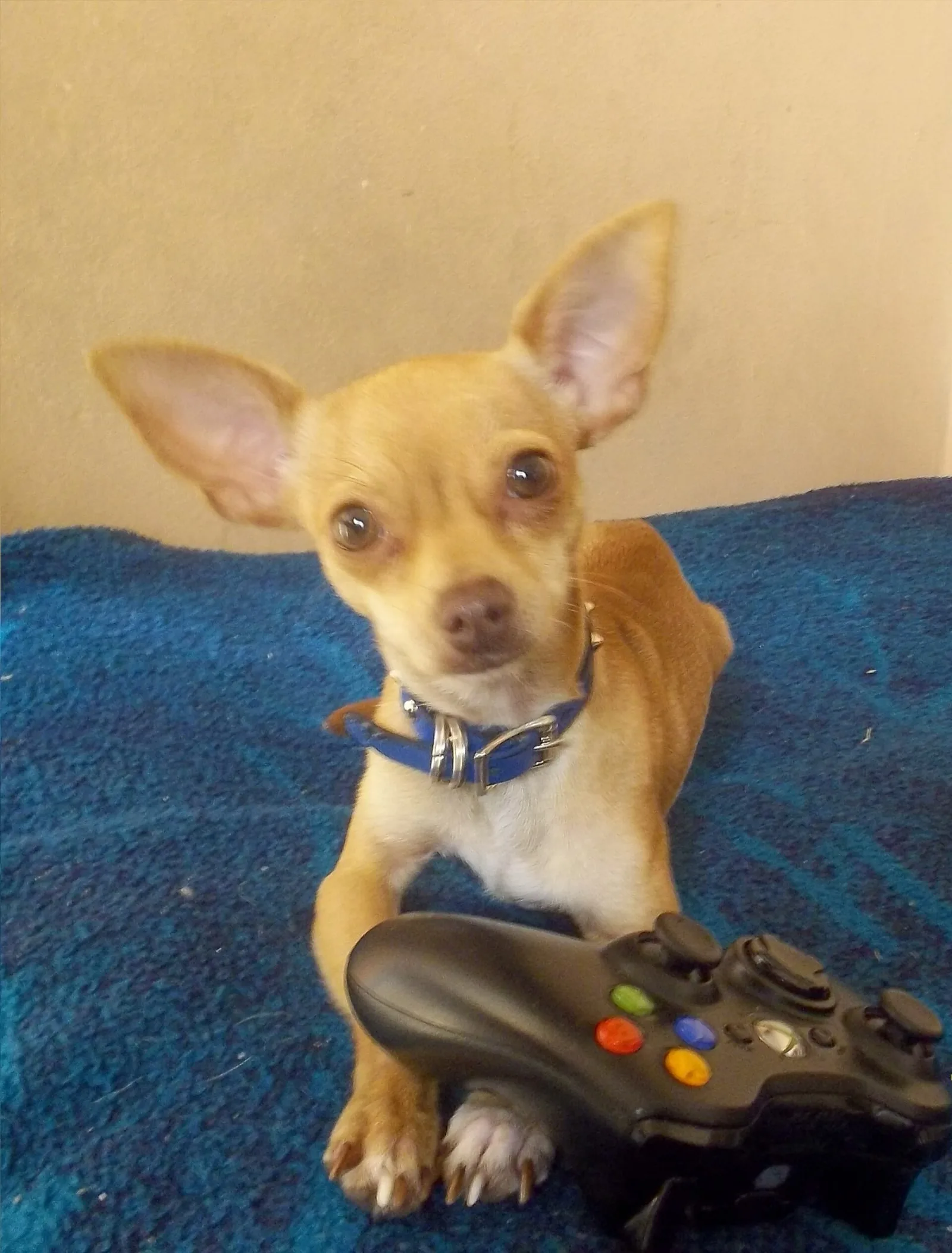
The original news imagery is copyrighted and remains reference-only. The licensed Chihuahua photographs in this package do not depict Toby or the collision.
A headline can be playful while the body remains exact. Toby “caused” the incident in the narrow reported sense that his movement reached the controls. He did not drive in the human sense, and blaming the dog hides the preventable condition: he had access to an unattended vehicle’s interior.
The owner is responsible for securing both car and pet. That is the part of the 2014 fender bender worth remembering long after the joke stops being surprising.
Featured photograph: Hammytheperfect / Wikimedia Commons (CC BY 4.0), via Wikimedia Commons. It is an illustration and does not depict the animals described in this article.

No comments yet
Leave a comment