Tiny dogs can swallow surprisingly large pieces and damage delicate teeth. A safe toy must suit the individual Chihuahua, remain intact, and be used under appropriate supervision.
A Chihuahua can turn an ordinary household object into entertainment in seconds. The dog’s enthusiasm does not certify the object as a toy.
The original “funny toy” clip behind this assignment could not be verified, and the object itself could not be identified. It would be irresponsible to tell readers that it was harmless—or dangerous—without seeing it. A better question is one every owner can answer at home: what makes a toy suitable for this dog, this play style, and this moment?
Quick answer: No. Safe toys for a tiny Chihuahua must suit the individual dog, remain intact, and be used under close supervision. A toy should be too large to swallow yet light enough to carry. Match material to the dog’s chewing style; avoid items that fracture teeth or can be shredded and ingested. Inspect for sharp seams, loose parts, or chemical odors. Supervise initial sessions, photograph toys for comparison, rotate options, and watch for signs of ingestion. Household objects are not toys. The safety decision belongs to the owner.
Start with size and shape
A toy should be too large for the Chihuahua to swallow or lodge at the back of the mouth, yet light enough to carry without straining the jaw or neck. “Small dog” on a label is a starting point, not a guarantee.
Check how the toy fits when the dog opens its mouth. Balls deserve particular care because a smooth ball that can pass behind the canine teeth may obstruct the airway. Flat discs, detachable caps, bells, squeakers, and plastic eyes can also become swallowable parts.
Multi-dog homes need another calculation. A Chihuahua-sized toy may be destroyed by a larger dog, while a large, heavy toy may injure the Chihuahua during shared play. Separate dogs when their safe equipment differs.
Match the material to the chewer
VCA advises owners to consider a dog’s chewing style and the hardness of a chew. A toy that feels durable can still be too hard for teeth. Antlers, bones, very hard nylon, and other rigid objects can fracture teeth in some dogs.
At the other extreme, soft fabric or thin rubber may be shredded and swallowed. Rope fibers, foam, stuffing, ribbons, elastic, and squeakers can create gastrointestinal risk when pulled free.
Press, bend, and inspect a new toy before offering it. Look for sharp seams, exposed staples, brittle plastic, strong chemical odor, loose paint, leaking batteries, magnets, or sections that could close around the tongue or jaw.
No material is indestructible. Replace marketing language with observation: does this particular Chihuahua leave dents, peel layers, remove threads, or work repeatedly on one weak point?
Supervise the first sessions
Supervision means watching closely enough to intervene before a piece disappears. It is not being somewhere in the same home.
Offer the toy in a calm, well-lit area. Let the dog investigate without people waving it near the face or encouraging frantic grabbing. End the session while the item is still intact and use a treat exchange rather than pulling it from the mouth.
Some toys may be suitable only for interactive sessions. Food puzzles, tug toys, stuffed items, and chews should not automatically remain in a crate or room when the dog is alone.
Take periodic photographs of the toy from the same angle. Small changes are easier to notice when compared over time.
Household objects need a stricter test
Socks, hair ties, rubber bands, earplugs, bottle caps, children’s pieces, batteries, medication containers, plastic bags, cooked bones, corn cobs, and food wrappers are not safe because a dog found them first.
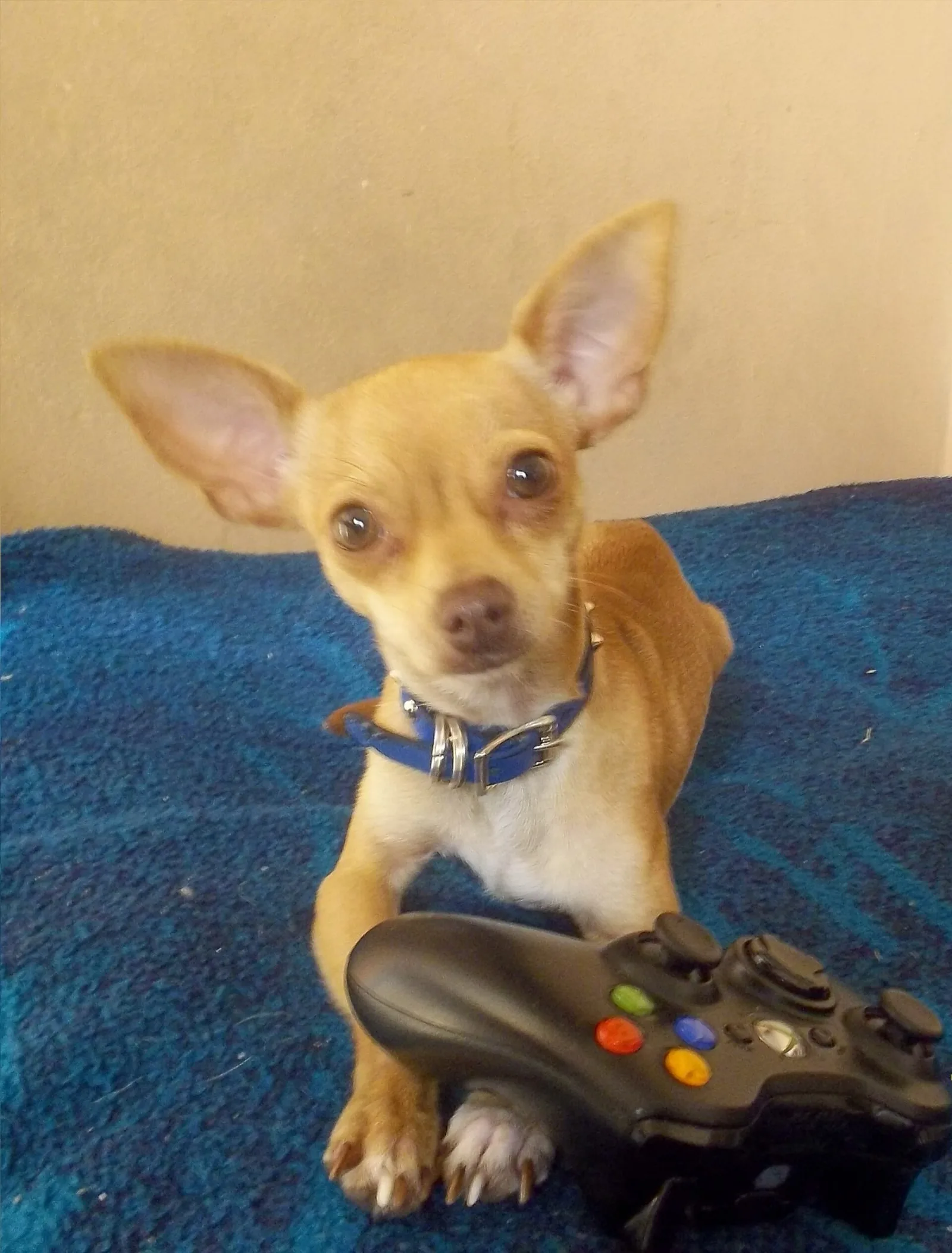
Remote controls and electronic accessories may contain batteries. Shoes can include metal parts, foam, glue, and long pieces of material. A plastic bottle may develop sharp edges or leave a cap and ring small enough to swallow.
If an object was not designed for dog play, remove it through a calm exchange and provide a suitable alternative. Do not film prolonged access because the behavior looks funny.
ASPCA’s documented account of a dog requiring care after swallowing a toy is a reminder that an ingestion can become a surgical emergency.
Watch for a swallowed piece
Stop play and compare the damaged toy with an intact photograph or product image. Search the immediate area, but do not assume a missing part is merely under furniture.
Call a veterinarian promptly if ingestion is possible. The clinic may need the dog’s weight, the material, approximate dimensions, time, symptoms, and product packaging.
Do not induce vomiting unless a veterinarian or animal poison professional specifically directs it. A sharp, caustic, expanding, or obstructing item may cause more injury on the way back up.
Urgent signs can include choking, repeated retching, vomiting, abdominal pain, refusal of food, marked lethargy, bloating, difficulty passing stool, collapse, or breathing trouble. Symptoms may be delayed, so waiting for visible distress is not a safe universal plan.
Make enrichment easier to succeed with
Rotate a small set of suitable toys rather than leaving every item available. Novelty can return when an object reappears after a break.
Use part of the Chihuahua’s measured meal in a well-sized puzzle. Begin at an easy level so the dog can obtain food without biting through the device. Wash the product according to its instructions and discard it when cracks or rough edges develop.
Sniffing games can be low-tech: hide pieces of the dog’s measured food in a clean towel fold or purpose-made snuffle mat while supervising. Stop if fabric is chewed or swallowed.
Short training sessions, safe exploration, and choice can provide enrichment without demanding constant high-speed play.
Respect body language and guarding
Play should be voluntary. Stop when the Chihuahua turns away, freezes, hides, repeatedly licks the lips, becomes frantic, or cannot disengage.
Do not tease a dog by repeatedly pretending to give and remove a toy. If the Chihuahua stiffens, growls, snaps, or guards objects, keep children away and seek qualified behavior help. Punishing a growl can remove a warning while leaving discomfort unchanged.
Tug can be appropriate for some dogs when the toy is soft, the motion is controlled, and the dog can release on cue. Avoid jerking a toy upward or swinging a Chihuahua by the mouth.
The safe toy is the one you keep reassessing
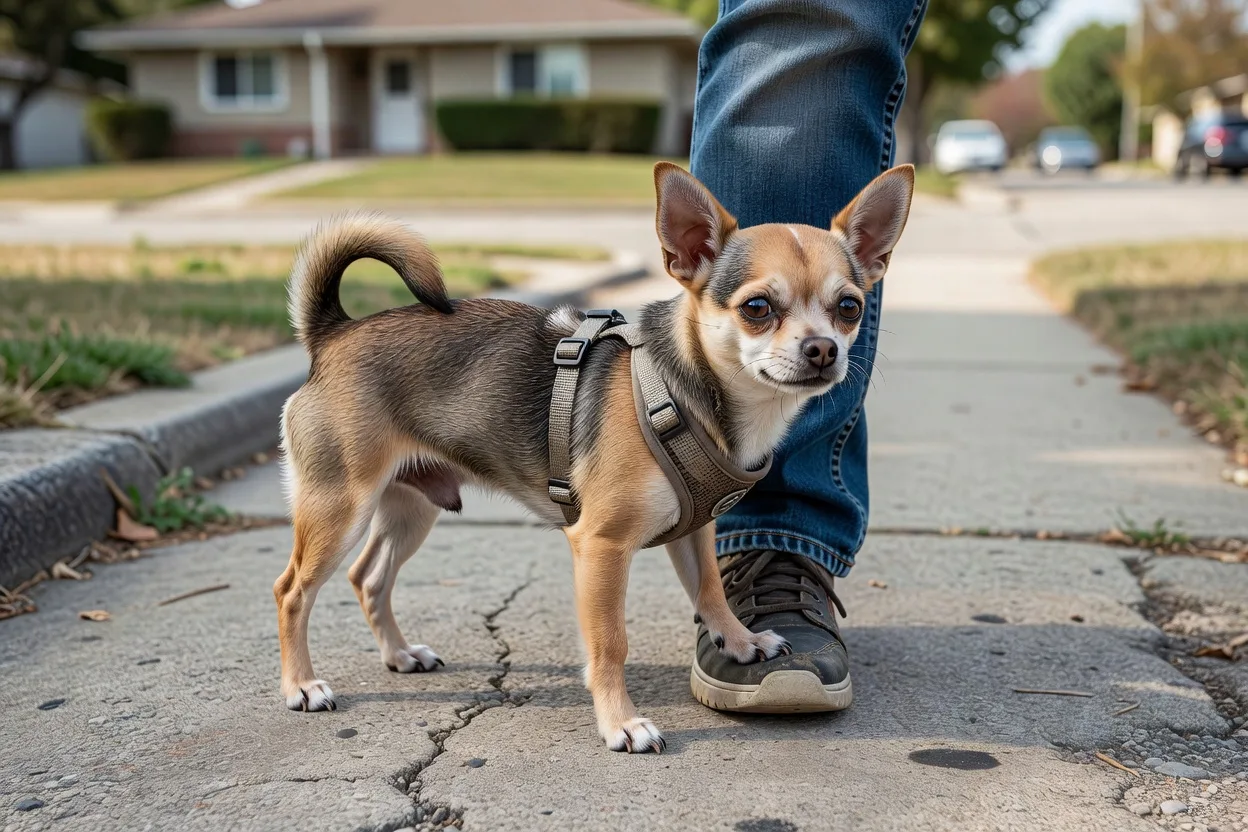
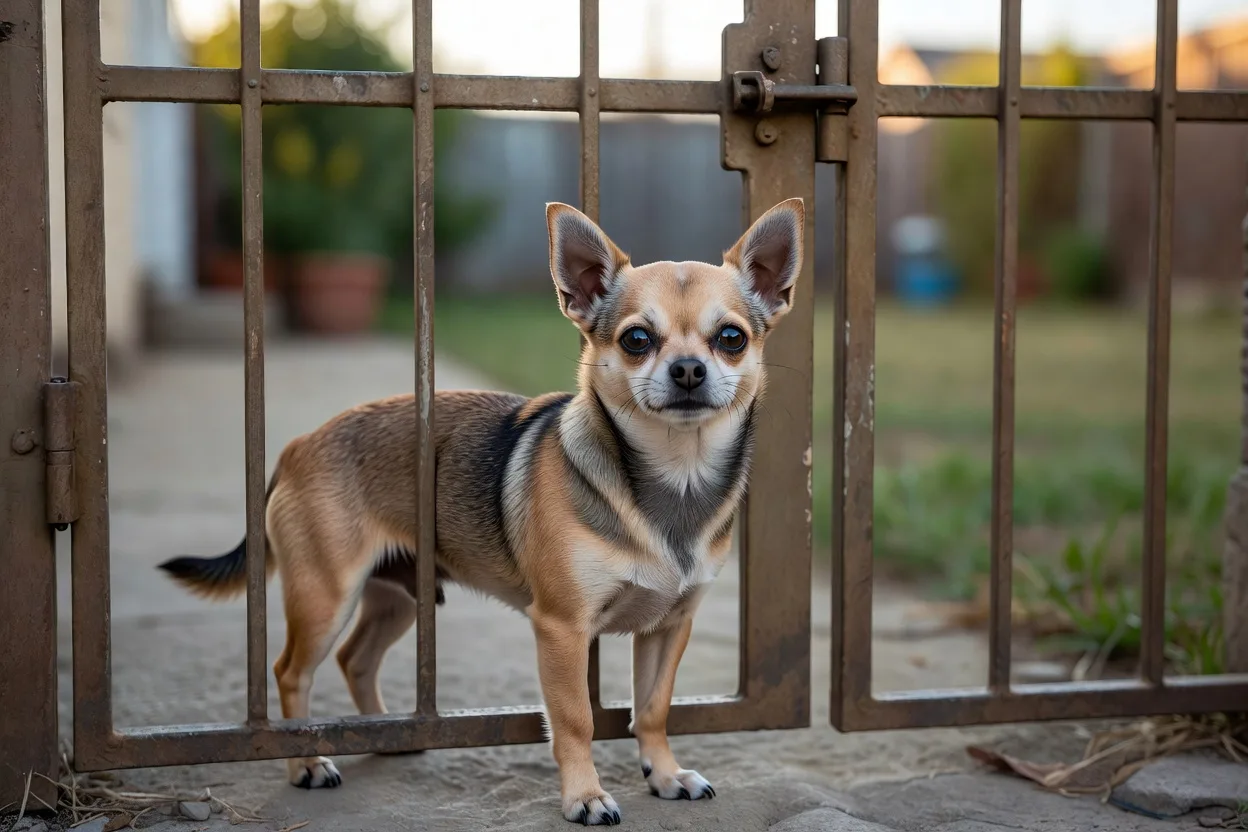
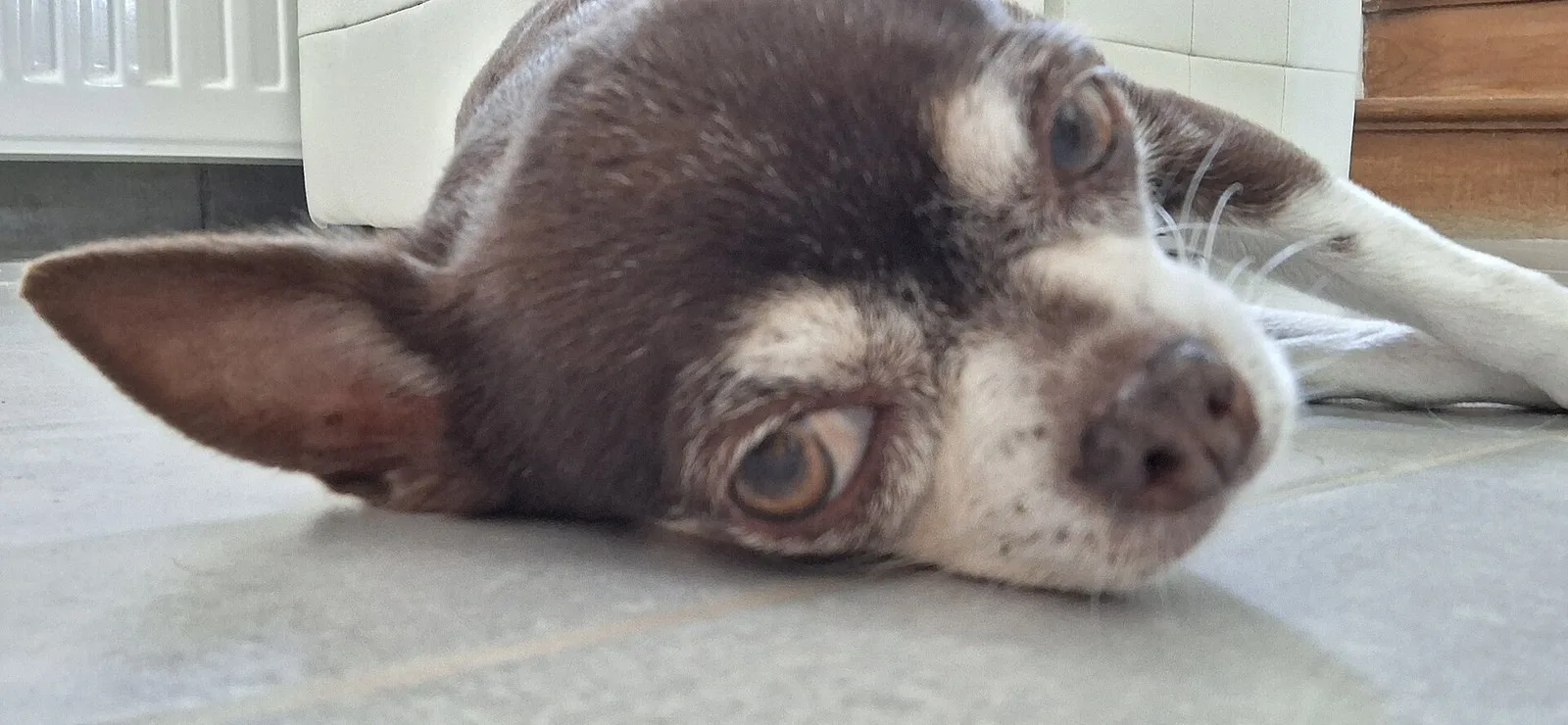
The licensed photographs saved with this article are illustrations, not frames from the missing video.
A toy that passed inspection yesterday may be unsafe after a seam opens. A toy suitable for one Chihuahua may be wrong for another dog’s mouth, dental health, or chewing intensity.
Choose an appropriate size, supervise new play, inspect after use, and remove damaged items calmly. The object can still be funny. The safety decision belongs to the person holding the camera.
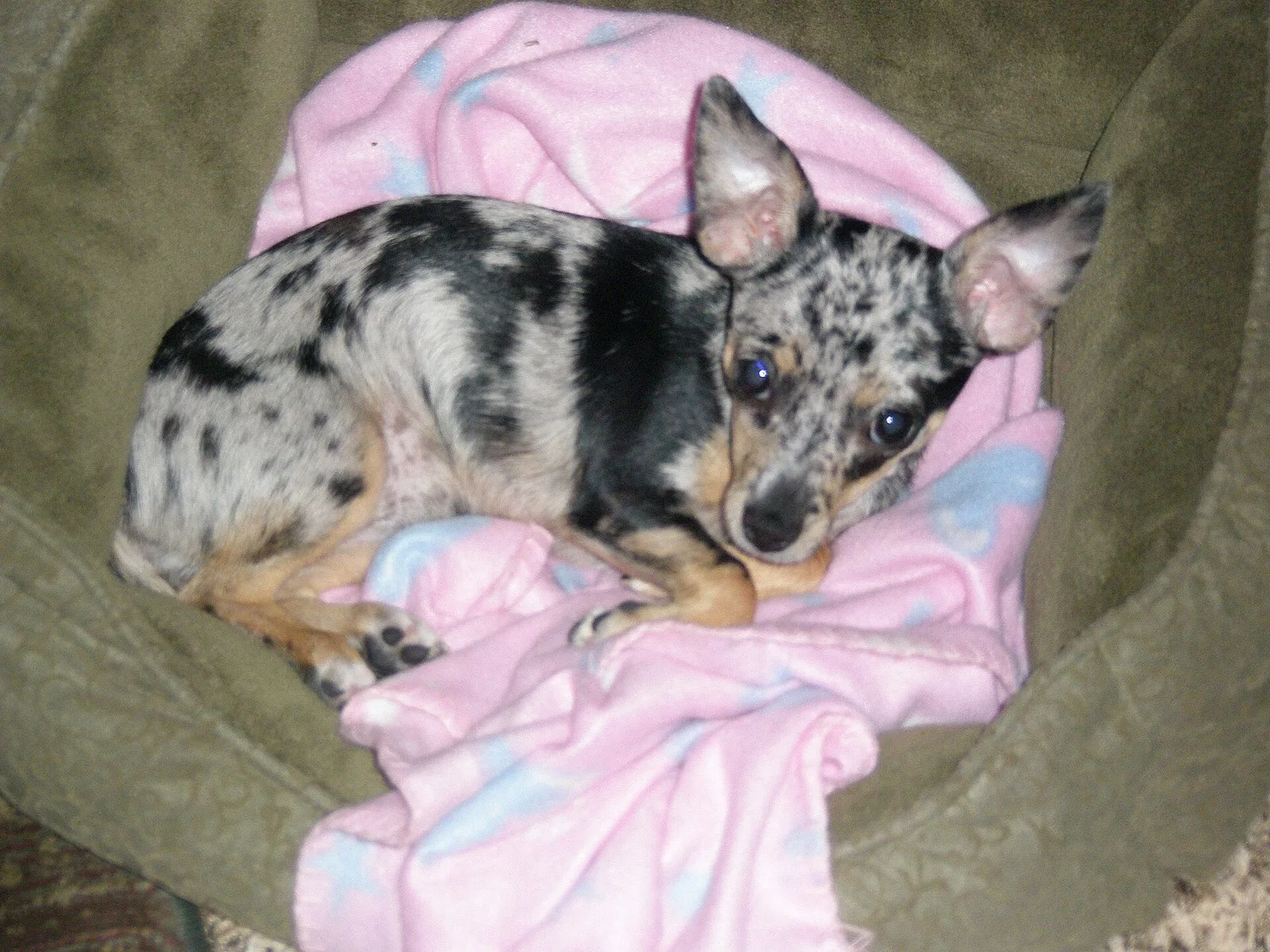
Featured photograph: Nuclearblitz12 / Wikimedia Commons (CC BY-SA 3.0), via Wikimedia Commons. It is an illustration and does not depict the animals described in this article.

No comments yet
Leave a comment