
A disturbing slug is not enough to establish a cruelty case. This guide explains how to respond safely while preserving identification and investigative options.
A bag containing a deceased dog may be a lost-pet case, an accident, improper disposal, or evidence of cruelty. A headline cannot determine which.
No reliable source confirmed the Chihuahua or bread-bag claim in this assignment. Searches did not establish a location, date, authority, necropsy, owner, cause of death, or criminal case. Publishing the scene as fact would manufacture a tragedy.
The responsible replacement is a safe reporting plan.
Quick answer: No, a bag containing a deceased dog does not automatically prove animal cruelty. A disturbing find may instead be a lost-pet case, an accident, improper disposal, or evidence of cruelty, but a headline or external view cannot determine which. Pause before moving anything, keep others away, note hazards, and contact the local responsible agency such as animal control or police rather than opening the container. Avoid bare-hand contact, preserve observations without repositioning the body, and let professionals assess identity, cause of death, and any investigation while following their instructions on disposal.
Pause before moving anything
Keep children, pets, vehicles, and onlookers away. Note immediate hazards such as traffic, active rail lines, water, chemicals, needles, sharp metal, fire, aggressive animals, or unstable terrain.
Call emergency services if a person is in danger or a crime appears to be in progress. Otherwise contact the agency responsible locally, which may be animal control, police, a humane-law unit, public works, or a health department.
Do not open, shake, untie, or empty a container merely to make a photograph. If there is any possibility the animal is alive, tell the dispatcher what movement, sound, warmth, or breathing you observed and follow urgent instructions.
Avoid bare-hand contact
The CDC advises people not to touch dead animals with bare hands and to call animal control for removal. Disease risk depends on species, location, condition, and contact.
Do not allow a dog to sniff, lick, or bite the body or bag. Keep people away from fluid, saliva, blood, parasites, or sharp objects.
If you were bitten, scratched, or had possible contact between animal material and broken skin, eyes, nose, or mouth, wash as appropriate and contact a healthcare or public-health professional promptly. Rabies assessment is time-sensitive.
Do not clean clothing, tools, or the scene until the responsible authority gives instructions when an investigation may be involved.
Preserve observations, not theories
Record the time, exact location, weather, container position, visible condition, nearby cameras, vehicles, and witnesses. Make clear what you personally observed.
Take limited non-graphic photographs from a safe public position if authorities say they are useful and doing so does not delay help. Keep original files and metadata.
Do not reposition the body for a clearer image. Do not post close-ups online, livestream removal, or invite social-media investigators.
A tied bag can be important evidence, but it does not by itself establish when the dog died or who placed it there.
Let professionals assess cause and identity
Breed appearance is uncertain after injury or decomposition. Use “small dog” until records or qualified identification support Chihuahua.
Cause and manner of death may require veterinary examination or necropsy. An external view cannot reliably distinguish poisoning, trauma, disease, environmental exposure, predation, or postmortem damage.
A microchip scan may connect the dog with a registry, but a chip is not GPS and registration may be outdated. Tags, scars, dental records, photographs, and veterinary history may also help.
Do not publish a chip number, address, or owner's private details.
Report suspected cruelty accurately
The ASPCA recommends contacting the local agency that enforces animal-protection law. Jurisdiction differs, so ask which authority will take the report.
Provide factual observations, original files, witness contact details, and the incident number. State uncertainty explicitly.
Do not accuse a neighbor, previous owner, shelter, or business without reliable evidence. Do not confront a person or enter private property.
If an online post is the only source, preserve its URL, account, date, screenshots, and context before reporting it to the platform and appropriate authority. Images can be old, staged, or miscaptioned.
Do not dispose of potential evidence
Local rules govern animal remains. A CDC disaster guide illustrates why authorities should be consulted: responsibility and permitted disposal vary by jurisdiction.
Do not bury, burn, wash, freeze, or place the remains in household waste before asking the relevant agency. These actions may prevent identification, testing, or a legal investigation.
If officials decline collection and provide disposal instructions, follow them precisely. Use protective equipment and hygiene appropriate to the advice.
Keep the case number and the name of the receiving facility or agency.
Protect the owner from a public shock
If identification is possible, let an authorized agency make contact. A family should not learn of a pet's death through an unverified graphic post.
Do not demand that a person prove ownership publicly. Use private official channels and corroborating records.
If publishing a community notice, omit graphic detail, the precise evidence location when sensitive, and unique identifiers that authorities need to verify claims.
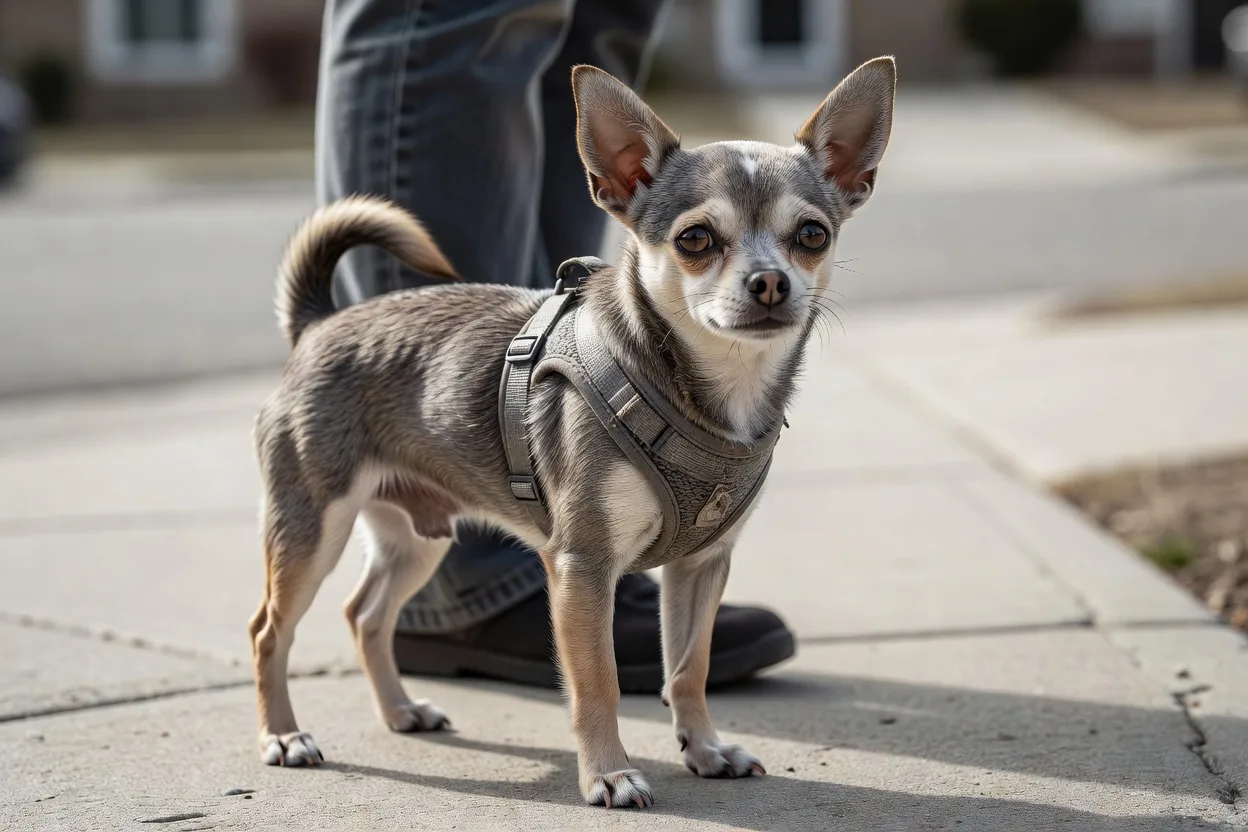
The three licensed Chihuahua photographs in this package are illustrations. They must not be captioned as the unidentified dog.
Update only when the record changes
A responsible follow-up names the investigating agency, explains how the dog was identified, distinguishes preliminary from final findings, and records any charge as an allegation until resolved.
If a necropsy or court finding contradicts the first impression, correct the article visibly. Do not leave a sensational headline in place after facts change.
No such verified record exists for this slug. It should remain a practical guide, not a news report.

The humane response is disciplined
Finding a deceased dog is upsetting. Discipline protects both public health and the possibility of accountability.
Keep others away, call the responsible authority, avoid bare-hand contact, preserve the scene, document facts, and resist online accusation. Identification and cause belong to qualified professionals.
Accuracy cannot undo the death. It can prevent a second harm: turning an unknown animal and unknown circumstances into a false public story.
Featured photograph: Zarate123 / Wikimedia Commons (CC BY-SA 4.0), via Wikimedia Commons. It is an illustration and does not depict the animals described in this article.




No comments yet
Leave a comment