The story travels as a dog running off with a Chihuahua, but the closest verified reports identify the animal as a coyote and describe the attack as fatal.
The closest verified version of this story does not involve a domestic dog. It involves a coyote.
WFTV reported on April 30, 2013 that Cecilia Lincoln was walking a pug and her 15-year-old Chihuahua, Zuki, in south Orange County, Florida. According to Lincoln, a coyote approached, grabbed Zuki, and ran off. The report says the Chihuahua was not on a leash.
The reviewed article does not provide a recovery or other final outcome.
Quick answer: No, a coyote took Zuki, not a dog. In April 2013 Cecilia Lincoln was walking her pug and 15-year-old unleashed Chihuahua, Zuki, in south Orange County, Florida, when a coyote grabbed the Chihuahua and ran off. WFTV reported the incident based on the owner’s account and Florida Fish and Wildlife Conservation Commission comments. The contemporary report gives no recovery or final outcome for Zuki. The text recommends keeping small dogs on short non-retractable leashes, scanning yards, removing attractants, and following local coyote encounter guidance to prevent such events.
Keep the identification accurate
Coyotes can resemble lean, medium-sized dogs at a glance, but the contemporary report identifies the animal as a coyote and includes comments attributed to the Florida Fish and Wildlife Conservation Commission.
That identification is the one the record supports, and Zuki’s case should not be merged with unrelated reports of large dogs carrying Chihuahuas.
WFTV is a single contemporary account built partly on the owner's description. It supports the reported sequence, not a forensic reconstruction.
No source reviewed here confirms how long the encounter lasted, where the coyote went, or what happened to Zuki afterward.
Use a short, non-retractable leash
Current FWC guidance recommends keeping small dogs on short, non-retractable leashes where coyote encounters are possible.
A short leash keeps the Chihuahua close enough for the person to react and reduces the dog's ability to chase into vegetation or approach a den. A retractable line can leave a small dog many feet away and may be difficult to reel in during sudden movement.
Attach the leash to a properly fitted harness selected for the individual dog. Check buckles and fit before every walk.
Do not assume a senior or slow Chihuahua will stay at a person's feet when startled.
Scan before opening the door
Turn on outdoor lights and look across the yard before taking the Chihuahua outside. Keep the dog leashed even for a quick toilet trip when coyotes are active nearby.
Clear dense hiding cover near doors. Repair fence gaps and check beneath gates. Fences reduce access but do not replace supervision; coyotes can jump, climb, or dig.
Bring small dogs indoors when no attentive adult is outside. Do not leave a Chihuahua tethered in a yard.
Change the route temporarily if neighbors report a den or repeated close approaches.
Remove what attracts wildlife
Secure garbage, compost, fallen fruit, grills, pet food, and outdoor water. Bird feeding can attract rodents and other prey, which may draw coyotes.
Never intentionally feed a coyote. Habituation can make wildlife approach people and homes more readily.
Clean up dog waste and bring bowls indoors. Coordinate with neighbors because one accessible food source can affect the whole block.
Wildlife presence is not automatically an emergency. The goal is to prevent close, rewarded encounters.
Respond to a coyote without running
FWC advises people not to run. Keep the Chihuahua close, face the coyote, make yourself appear larger, use a firm loud voice, wave arms, and back away while allowing the animal an escape route.
Hazing recommendations vary with location and circumstances. Do not approach a den, corner an animal, or send the dog toward it.
Pick up a Chihuahua only when doing so can be accomplished without losing control, falling, or bringing the dog near the person's face during panic. Maintain awareness of the coyote.
Report a coyote that approaches closely, acts aggressively, or attacks a leashed pet to the responsible wildlife or public-safety agency.
After physical contact
Seek urgent veterinary care after any bite, grab, shaking, puncture, or forceful impact. Small wounds can be hidden under fur, and internal injury may not be obvious.
Breathing difficulty, collapse, pale gums, severe pain, bleeding, weakness, abdominal swelling, or neurologic change is an emergency.
Do not place hands near a conscious injured dog's mouth. Use a secure carrier when possible and call the clinic before arrival.
People bitten or scratched, or exposed to saliva through broken skin or mucous membranes, should wash appropriately and contact healthcare and public-health professionals about rabies and wound care.
Do not promote harmful retaliation
Follow lawful wildlife guidance. Poison, illegal traps, indiscriminate shooting, and unsecured deterrents can injure people, pets, and non-target animals.
A coyote sighting in daylight does not by itself prove disease or aggression. Report behavior, location, time, and attractants rather than labeling the animal.
Community education, food-source control, appropriate hazing, and supervised pets are more useful than social-media panic.
Treat the media as reference-only
WFTV's article and imagery remain copyrighted. This package does not download them.
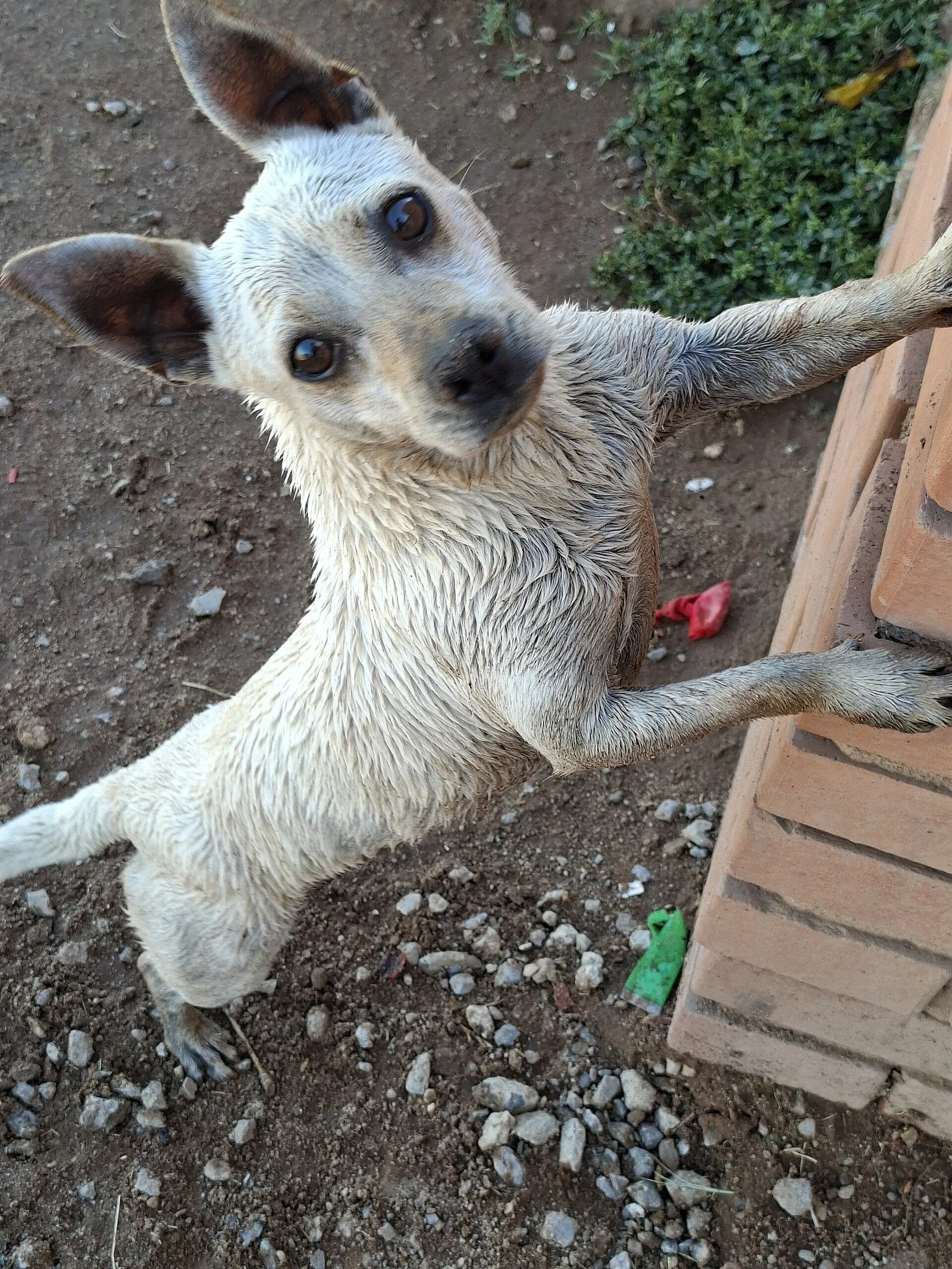
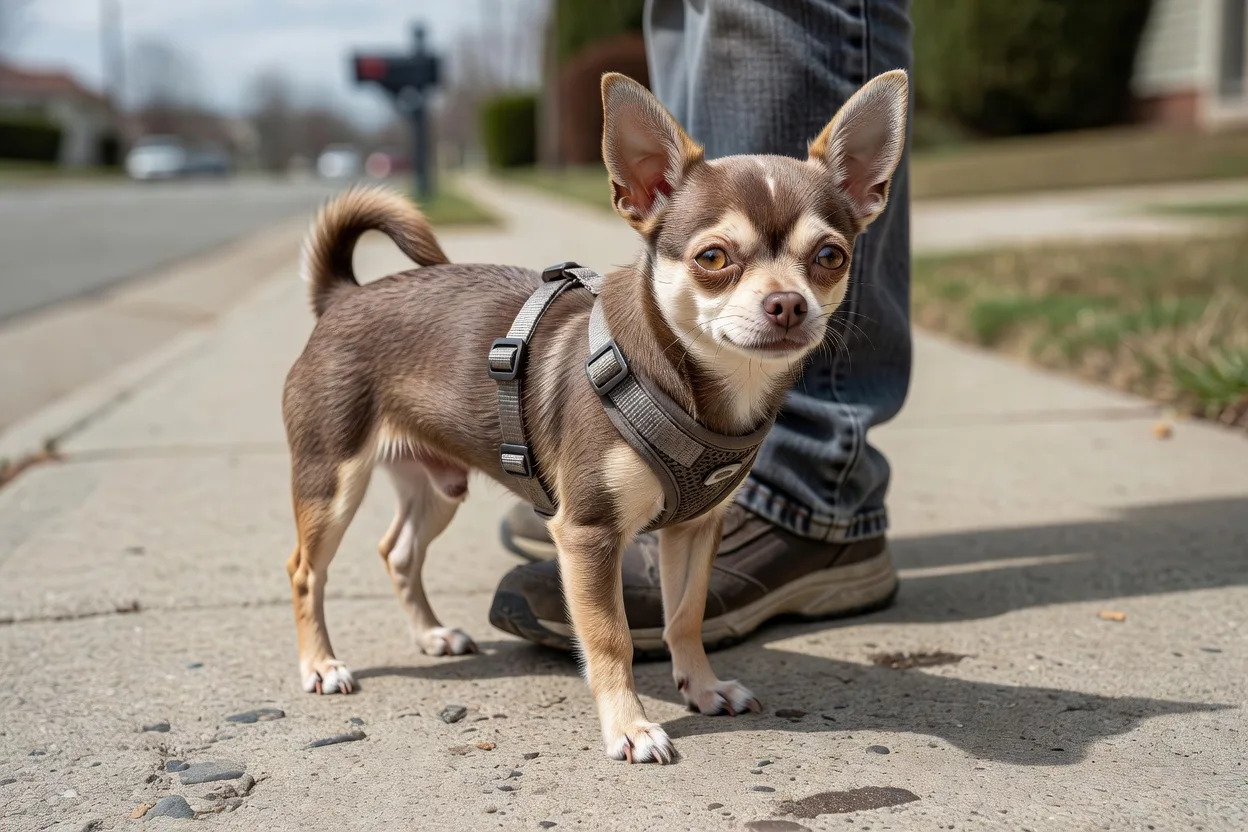
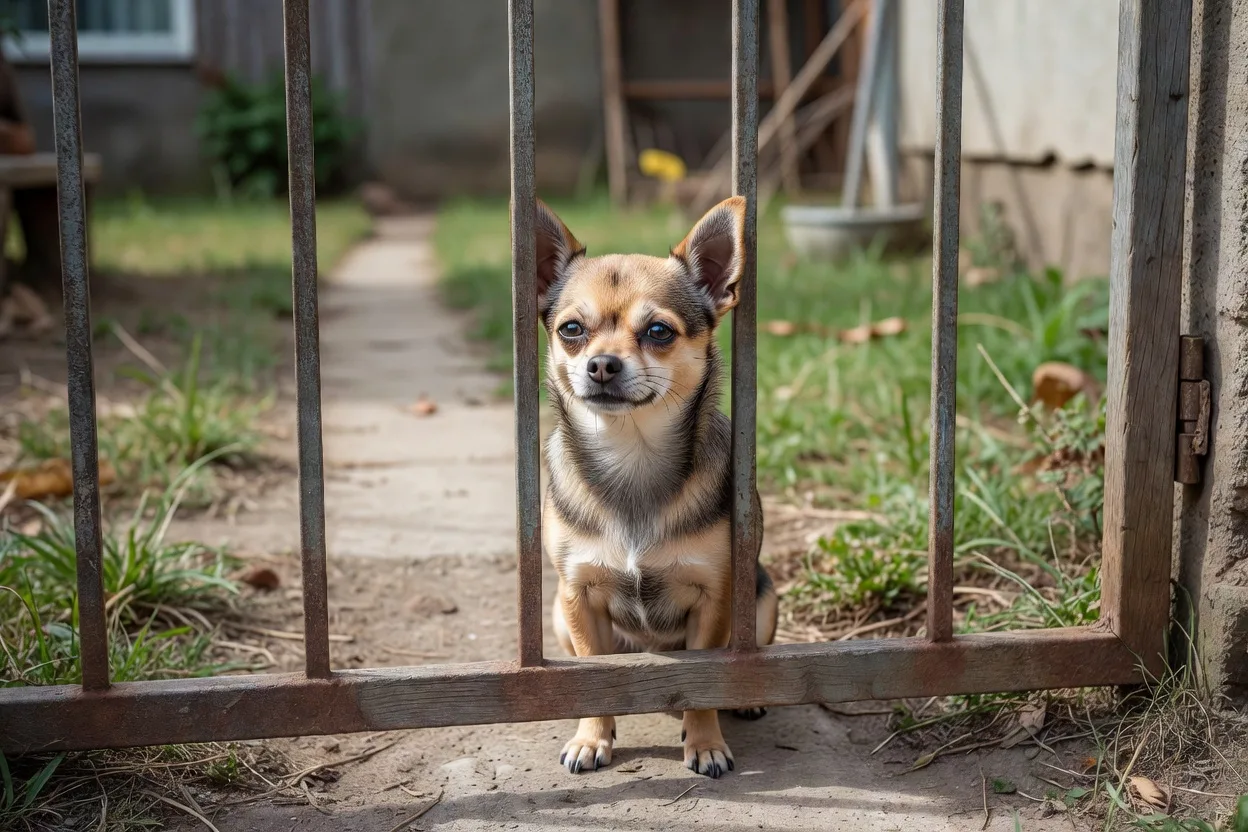
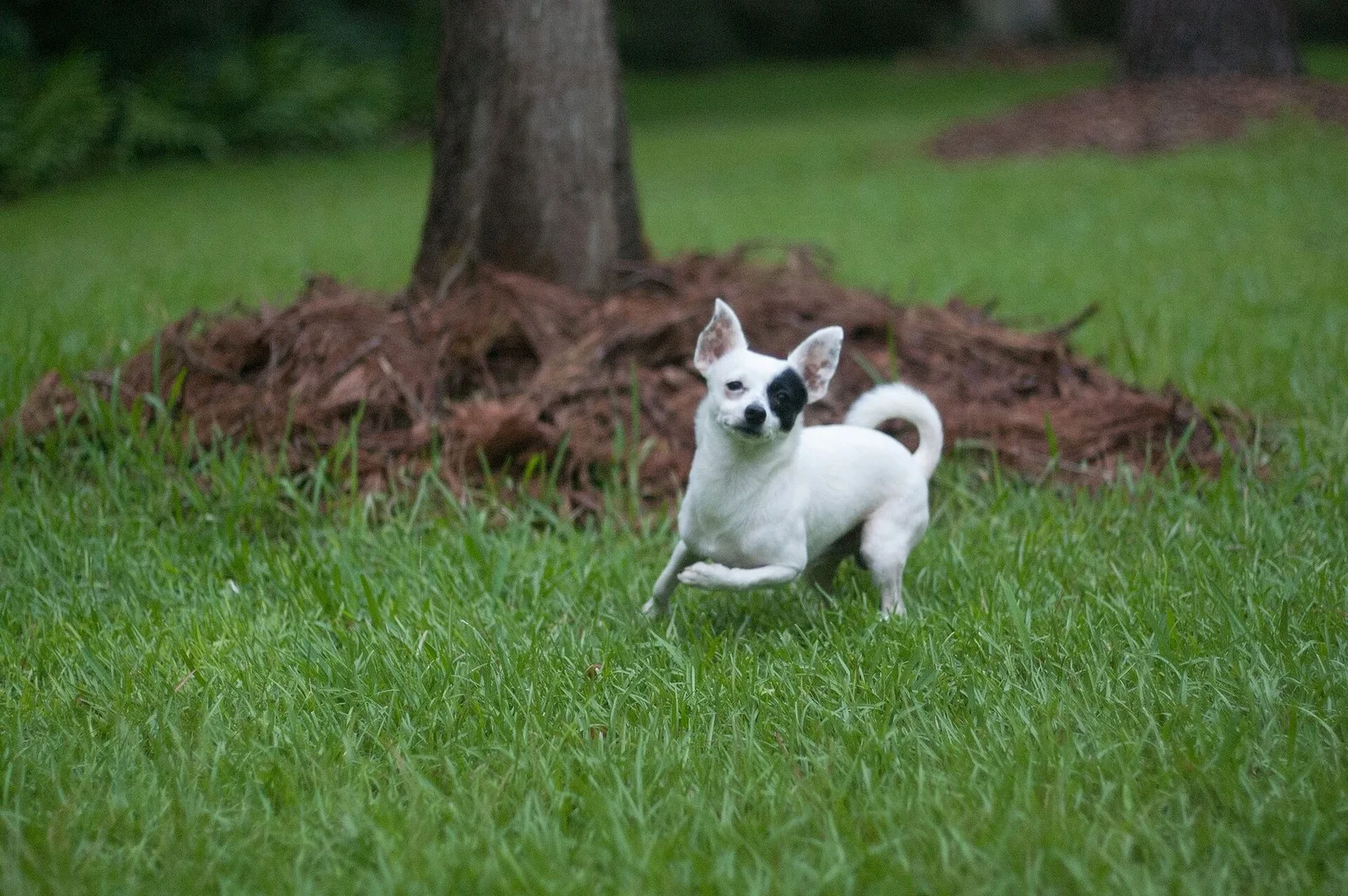
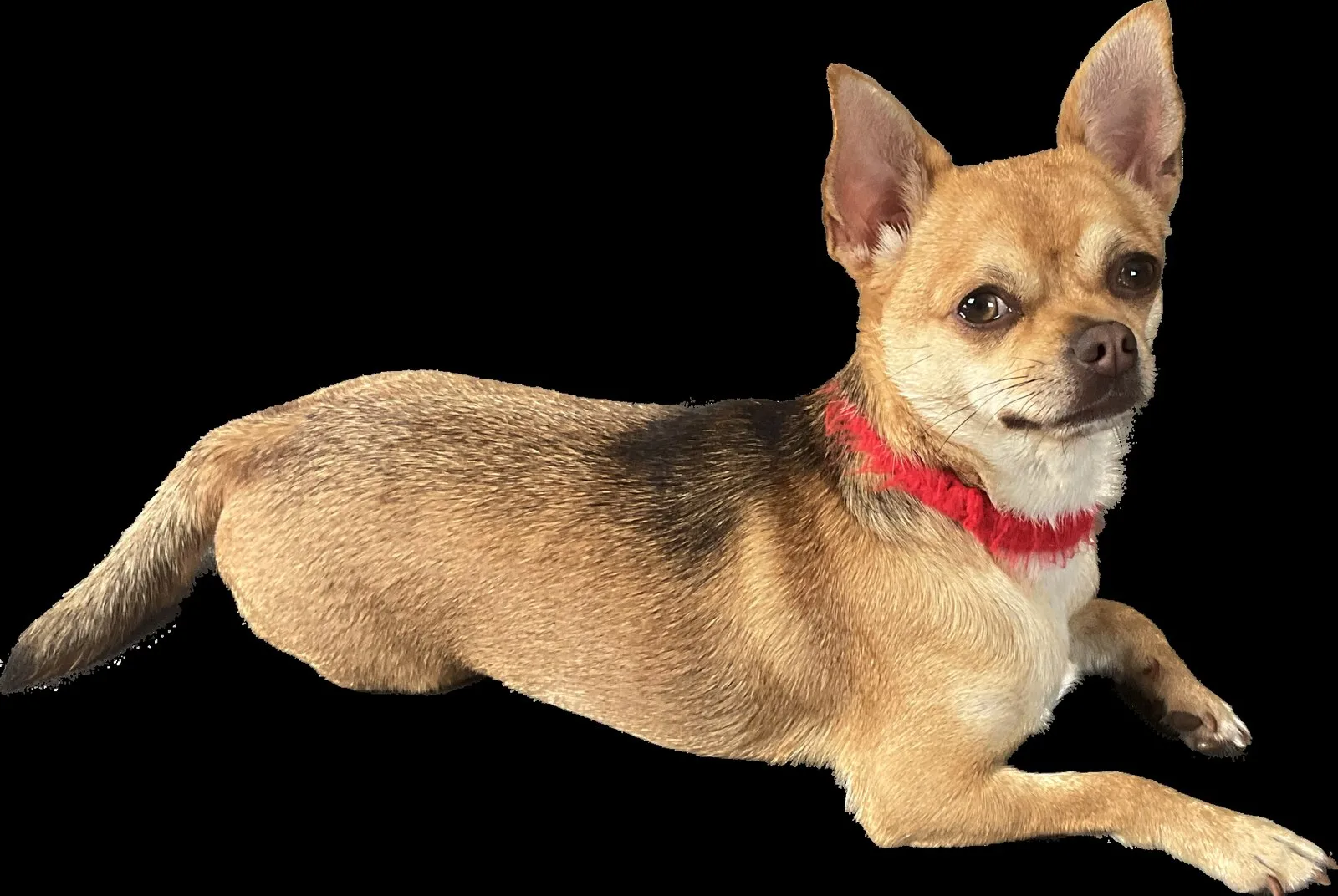
The three licensed Chihuahua photographs are illustrations and do not show Zuki, Cecilia Lincoln, the pug, or the coyote. Do not caption them as event images.
Avoid thumbnails of unrelated predators carrying dogs. They can be graphic, misleading, and impossible to verify.
The source has a difficult limit
WFTV's report supports that Lincoln said a coyote took Zuki during a walk in 2013. It does not supply the ending.
That uncertainty should remain in any republication. The safety lesson does not depend on inventing recovery or death.
Keep a Chihuahua on a short leash, supervise every outdoor visit, reduce attractants, scan the route, and know local encounter guidance. With a toy-sized dog, closeness is not overreaction. It is the margin that may let a person act in time.
Featured photograph: KanaArima / Wikimedia Commons (CC BY-SA 3.0), via Wikimedia Commons. It is an illustration and does not depict the animals described in this article.


No comments yet
Leave a comment