
A theft that involves a weapon is first a danger to the person holding the lead. The response that protects both the owner and the dog is rarely the instinctive one.
An armed robbery involving a dog is first a danger to the person, and the urge to chase can make it worse.
A 2019 Glasgow case shows the shape of the problem. STV News reported that a woman walking her nine-month-old Chihuahua, Coco, on Dumbarton Road late on October 6 said a man left a car, threatened her with a knife, punched her, took the dog, and fled with another person.
Police Scotland confirmed to STV that it was investigating an assault and robbery. The reviewed record does not provide the ending, which is itself the most common outcome an owner should be prepared for.
Quick answer: No, the 2019 Glasgow theft of nine-month-old Chihuahua Coco remains unresolved. A woman reported being threatened with a knife, punched and robbed of the dog on Dumbarton Road. Police Scotland investigated the assault and robbery, but no reliable source confirms recovery, arrest or court outcome. Owners should prioritize personal safety, comply during armed threats, call emergency services, record details promptly, notify microchip registries, and issue careful public notices with police-approved information while avoiding scams and unverified claims.
Separate the report from a verdict
The STV article is a contemporary named report and includes a police statement. It supports saying that the owner reported the attack and officers made inquiries.
It does not establish who committed the offense, whether anyone was arrested or charged, or what a court later found.
Searches did not locate a reliable report that Coco was recovered. An unrelated dog named Coco, a generic reunion listing, or a later Glasgow theft cannot fill that gap.
The final outcome must remain unknown unless a matching authoritative update appears.
Prioritize survival during a robbery
If someone displays a weapon or uses violence, comply with emergency instructions and move toward safety when possible. A person's safest response depends on the immediate threat and local law-enforcement guidance.
Do not chase a vehicle, grab a weapon, or physically confront multiple suspects to recover a dog. Note details only when doing so does not increase danger.
Call emergency services as soon as it is safe. Report injuries, weapons, direction of travel, people involved, vehicle description, and that a living animal was taken.
Seek medical care after a blow, fall, cut, or shock-related symptom.
Preserve the first hour
Write down the sequence while memory is fresh. Record time, location, direction, voices, clothing, vehicle features, witnesses, nearby businesses, cameras, and the dog's equipment.
Save original photographs of Coco from multiple angles, veterinary records, microchip number, ownership documents, and the police incident reference.
Ask businesses and residents to preserve camera footage, but let police obtain it through the proper process. Do not trespass or publish private footage without authorization.
Keep screenshots and links to suspicious sale posts. Do not arrange a solo meeting with a seller or alleged thief.
Build a public notice that helps
Use a current clear photograph, name, breed or mix, sex, age, color, markings, general location, date, and a safe contact route. State that the dog was reported stolen and give the official case reference when police approve.
Hold back one identifying detail to help verify claims. Do not publish the full microchip number, home address, children's details, or private medical records.
Avoid promising cash in language that could encourage ransom attempts. Discuss rewards with police and use a documented process.
Update every post consistently when facts change.
Understand the microchip
A microchip can connect a scanner with registry contact information. It does not show live location.
Notify the registry that the dog is missing or stolen and confirm current phone and email details. Contact shelters, veterinary clinics, animal control, rescues, and relevant databases.
Ask how a found dog can be held safely while identity is confirmed. A tag, photographs, records, and microchip should be evaluated together.
Avoid common recovery scams
Be cautious when a caller refuses to show the dog, sends a generic image, demands a verification code, requests gift cards or cryptocurrency, or claims an emergency clinic will not identify itself.
Do not disclose the held-back identifying detail first. Ask the claimant to describe it.
Route credible information to police. Do not send friends to surround an address, identify a person online, or publish a plate without current official authorization.
False accusations can endanger innocent people and disrupt an investigation.
Reduce future exposure without blaming the victim
No precaution guarantees protection from a violent robbery. Advice must not imply that the owner caused the crime.
For ordinary risk reduction, vary predictable routes and times, stay in lit populated areas, keep the Chihuahua close on a fitted harness, avoid distraction by a phone, and tell someone the route.
Do not leave a dog tied outside a shop or visible alone in a vehicle. Review privacy settings before posting real-time locations or expensive-puppy details.
Carry identification and emergency contacts, not the dog's original ownership documents.
Use the archived media carefully
STV's article and images remain copyrighted and reference-only. The old public appeal included details that should not be repeated years later without police confirmation.
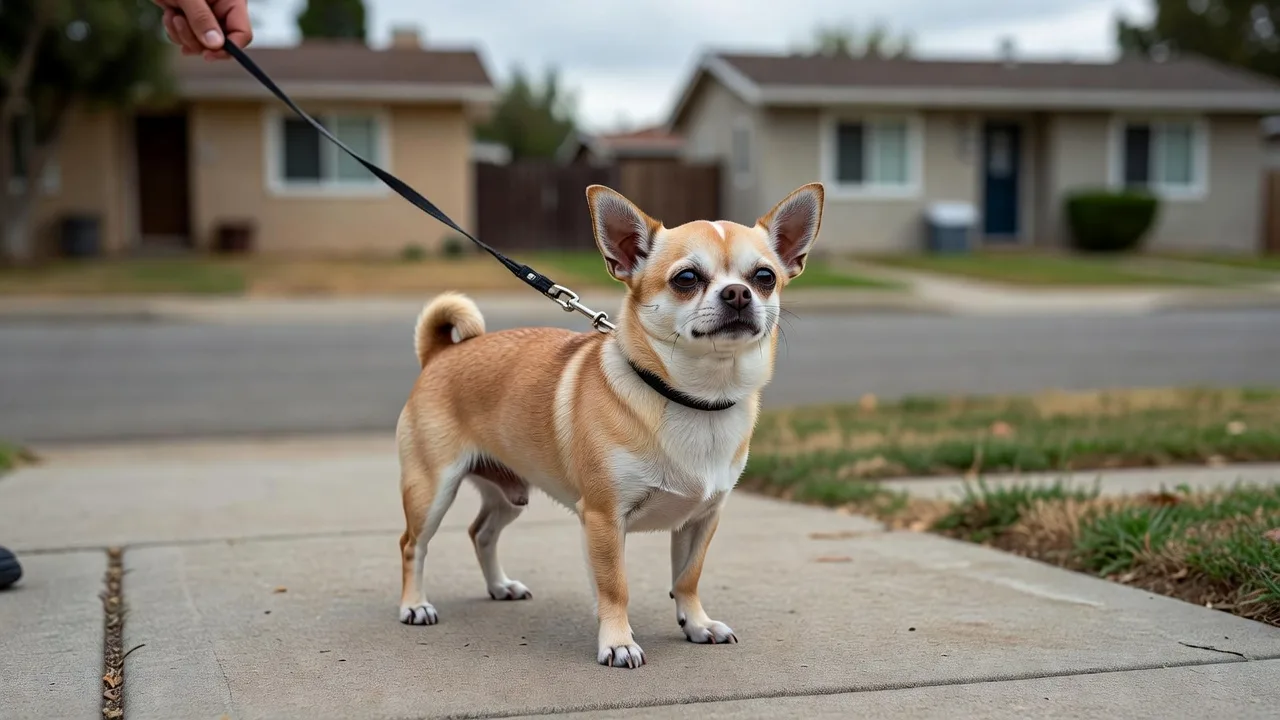
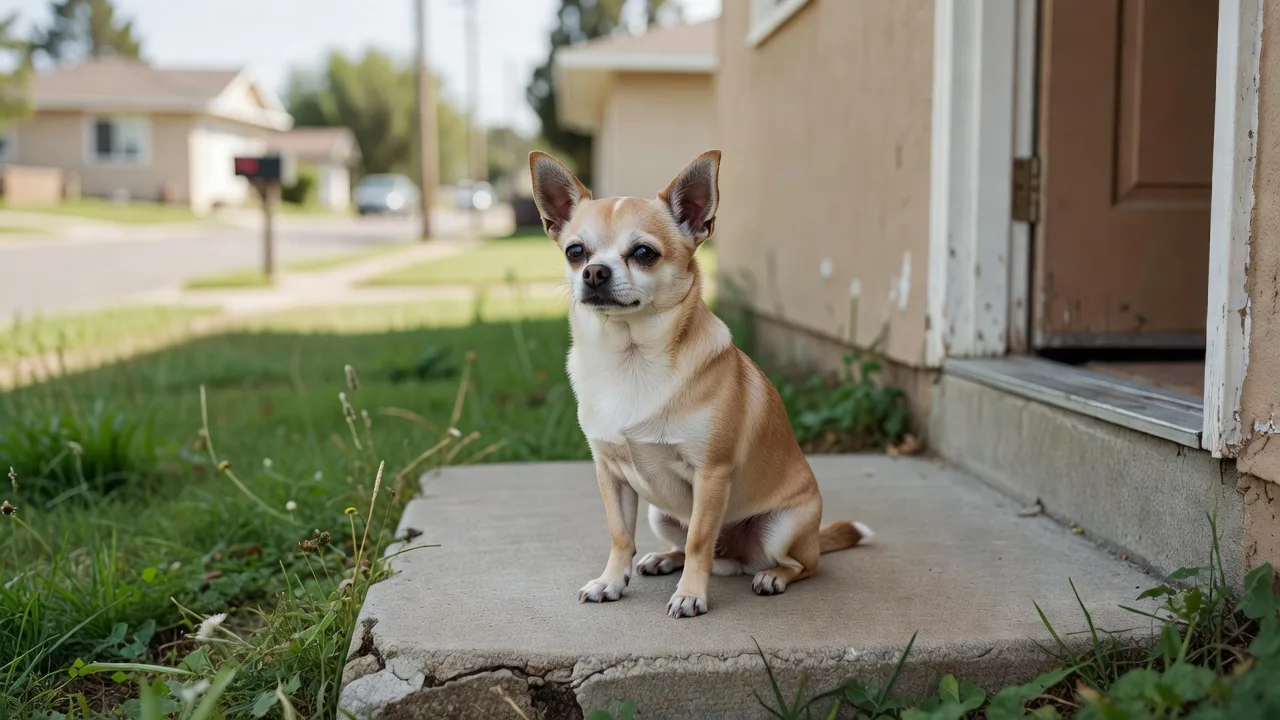
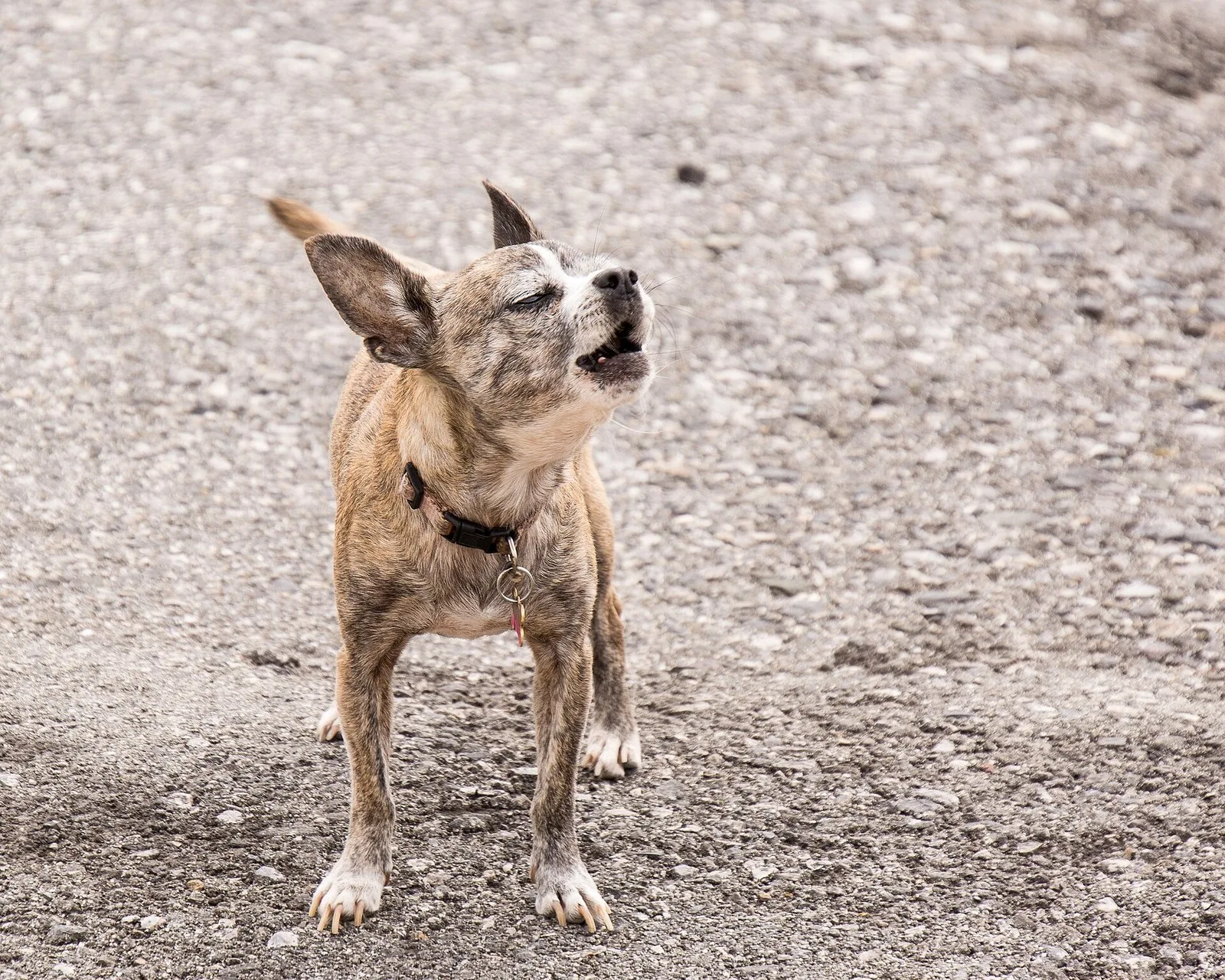
The three licensed Chihuahua photographs saved in this package are illustrations. They do not show Coco or the owner.
Do not use another stolen dog's reunion image as though it resolves this case.
The missing outcome is part of the truth
The supported account is clear but incomplete: the owner reported being threatened and assaulted, Coco was taken, and Police Scotland investigated.
No reliable source reviewed here says Coco came home or identifies a legal result.
A responsible article should preserve that uncertainty while helping readers respond safely to a violent theft. Life and medical safety come first; evidence, official reporting, identification alerts, and careful public notices follow.
Coco's story should not receive a fictional happy ending. It deserves an accurate record and a continuing distinction between what was reported and what was proved.
Featured photograph: Lui839247 / Wikimedia Commons (CC BY-SA 3.0), via Wikimedia Commons. It is an illustration and does not depict the animals described in this article.



No comments yet
Leave a comment