
Coco disappeared in Arlington, Texas, and surfaced months later near Atlanta. Nobody established how he traveled so far, but his microchip identified home.
Coco covered more than 800 miles on a map. No one established that he covered them on foot.
The Chihuahua escaped his leash in Arlington, Texas, in September 2015. Months later, he was found in Alpharetta, Georgia, and brought to the Atlanta Humane Society. Staff scanned a microchip linked to owner Amanda Benton’s home address.
FOX 5 Atlanta reported that the humane society helped bring Benton to Georgia for a reunion in January 2016. Coco appeared well cared for. How he traveled from Texas to Georgia remained a mystery.
The chip did not track the journey. It gave the shelter a reliable number to follow home.
Quick answer: No, Coco did not walk 800 miles from Texas to Georgia. The Chihuahua slipped his leash in Arlington in September 2015, was found months later in Alpharetta near Atlanta, and was identified at the Atlanta Humane Society by a microchip registered to owner Amanda Benton’s home address. FOX 5 Atlanta reported that the shelter helped arrange a reunion in January 2016. The chip supplied only a contact number and revealed nothing about the route, stops, or means of travel between the two known endpoints.
The known route has only two endpoints
The report establishes the place Coco disappeared and the place he was found. It does not establish every stop in between, the person who moved him, or whether he traveled in one trip or several.
A stranger may have transported him. He may have been taken in, rehomed informally, escaped again, or traveled with someone who did not scan him. Those are possibilities, not findings.
Saying he “made an 800-mile journey” describes the geographic result. Saying he walked 800 miles would convert an unknown into a dramatic fact.
The article also cannot decide whether anyone acted maliciously. The surviving report centers the identification and reunion, not a completed investigation of the missing months.
What a microchip actually contains
AAHA explains that a pet microchip carries a unique identification number. A scanner reads that number; it does not display a live map, record the route, or store a complete biography.
The number is connected through a registry to contact information supplied by an owner or organization. A veterinary clinic, shelter, or animal-control agency can use a lookup tool to determine which registry may hold the record and then contact it.
Coco’s chip worked because the scanned number led to information that connected him to Benton’s home. A chip implanted but never registered may be much harder to trace.
Microchips are not GPS devices. They have no ordinary live-location function and do not replace a leash, secure door, fence, collar tag, or active search.
Registration is the part owners control
After implantation, ask who registered the chip and which registry holds it. Keep the chip number, registry name, account access, and customer-service details somewhere available during travel.
Confirm the record after moving, changing a phone number or email, transferring ownership, or adopting an already chipped animal. Add an alternate trusted contact and the veterinarian when the registry permits it.
AAHA’s lookup tool can help identify the registry associated with a chip, but it is not itself a place to update owner information. Owners must contact the appropriate registry.
Ask a veterinarian to scan the chip during routine visits. That confirms the number can be detected and lets the clinic compare it with the record. Continue using a readable collar tag because a finder can act on it without equipment.
Start searching immediately
If a Chihuahua slips a leash, note the exact time and direction, then check immediate hazards such as roads, water, open garages, transit areas, and construction.
Contact local animal control, shelters, veterinary clinics, police where appropriate, and the microchip registry. Mark the pet as missing and confirm every phone number. Search neighboring jurisdictions because municipal boundaries mean nothing to a moving dog.
Use recent, clear photographs and a factual description. Include size, color, sex, distinctive markings, collar or harness, medical needs, last known location, and a safe contact method.
Avoid publishing the full chip number or enough private details to help a scammer impersonate the owner. Ask anyone claiming to have the dog for a specific photograph or identifying feature, and coordinate a safe handoff through authorities or a clinic.
A found dog should be scanned
Secure the dog without chasing into traffic. Contact the local shelter, animal control, or a veterinary clinic for a scan and follow local found-animal rules.
Do not assume a clean, friendly, or well-fed Chihuahua was intentionally abandoned. Coco appeared cared for when he arrived in Georgia and still had a family searching from Texas.
Post found notices without disclosing every identifying feature. A legitimate owner can describe a hidden marking, provide veterinary records, share earlier photographs, or confirm the microchip through the registry.
A first scan can miss a chip because of equipment, positioning, migration, or technique. AAHA advises organizations to use appropriate scanning practices, and a repeat scan may be warranted when ownership is unresolved.
Reunions need a verification step
Before releasing a found dog, the responsible organization should verify identity and comply with stray-hold, ownership, and transfer rules. A registry contact is strong evidence, but records may be outdated or reflect a previous owner.
The family should bring identification, photographs, adoption or purchase records, veterinary records, and the microchip registration when available. Any ownership dispute belongs with the shelter and appropriate legal process, not a social-media vote.
After reunion, schedule a veterinary check when the dog has been missing for an extended period or shows injury, weight change, parasites, illness, or behavioral changes.
Give the dog a quiet return. Avoid an immediate crowd, punishment, or an exhausting photo session.

Publish the mystery honestly
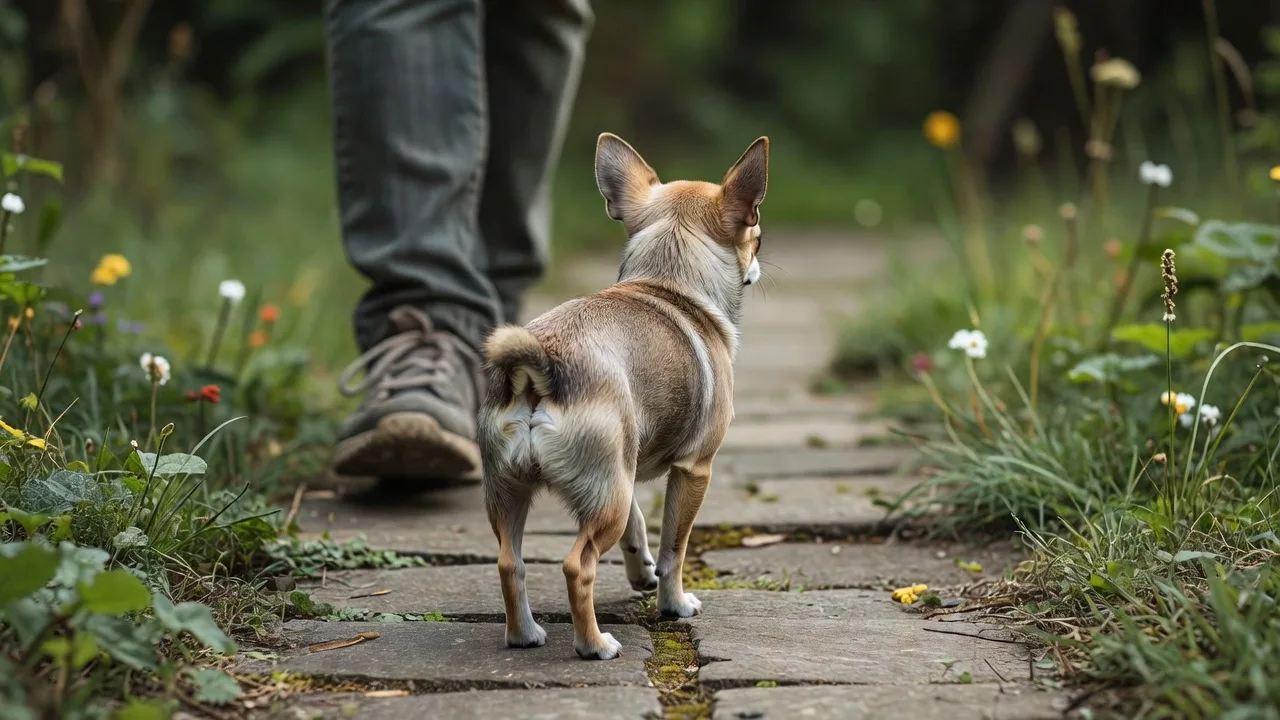
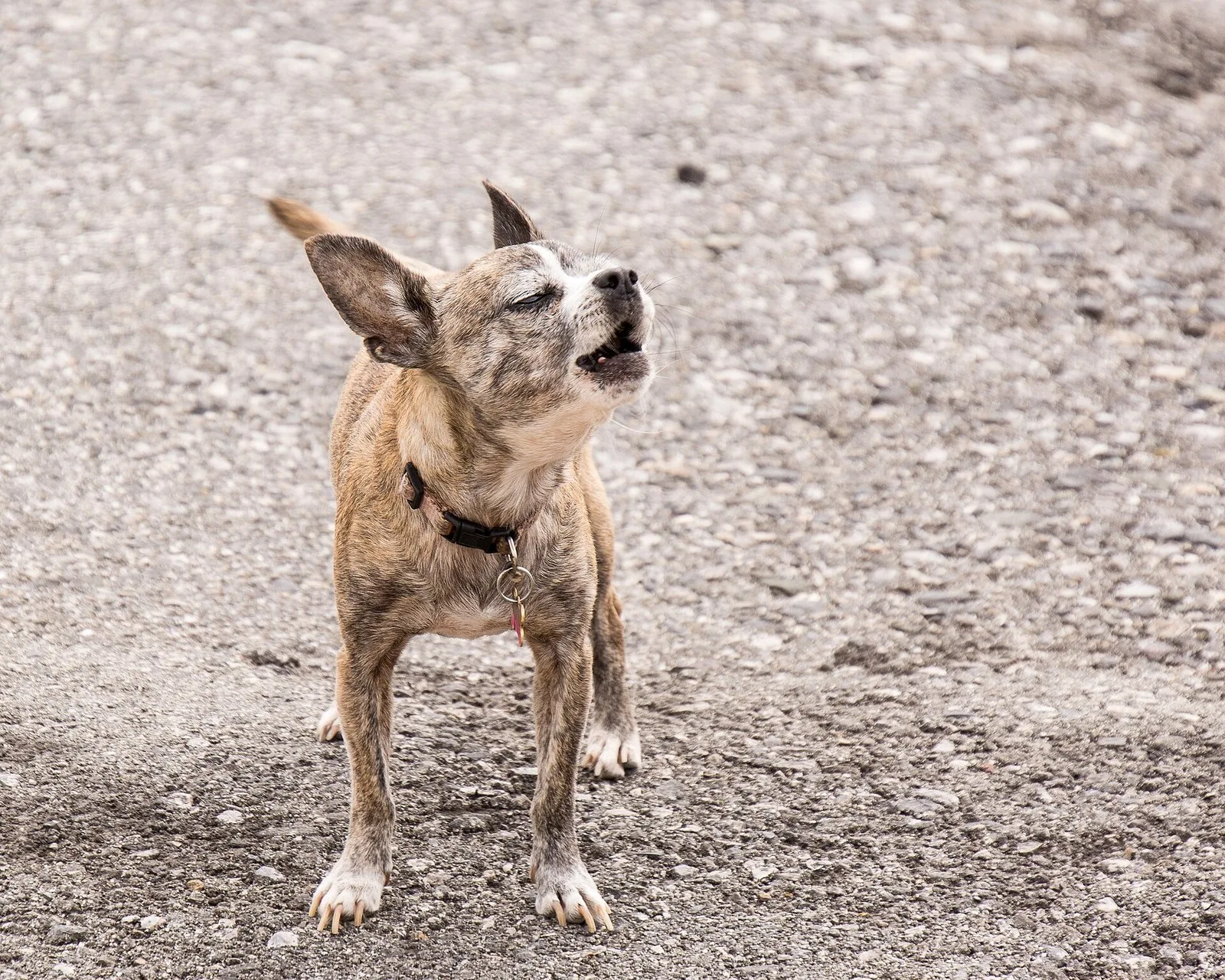
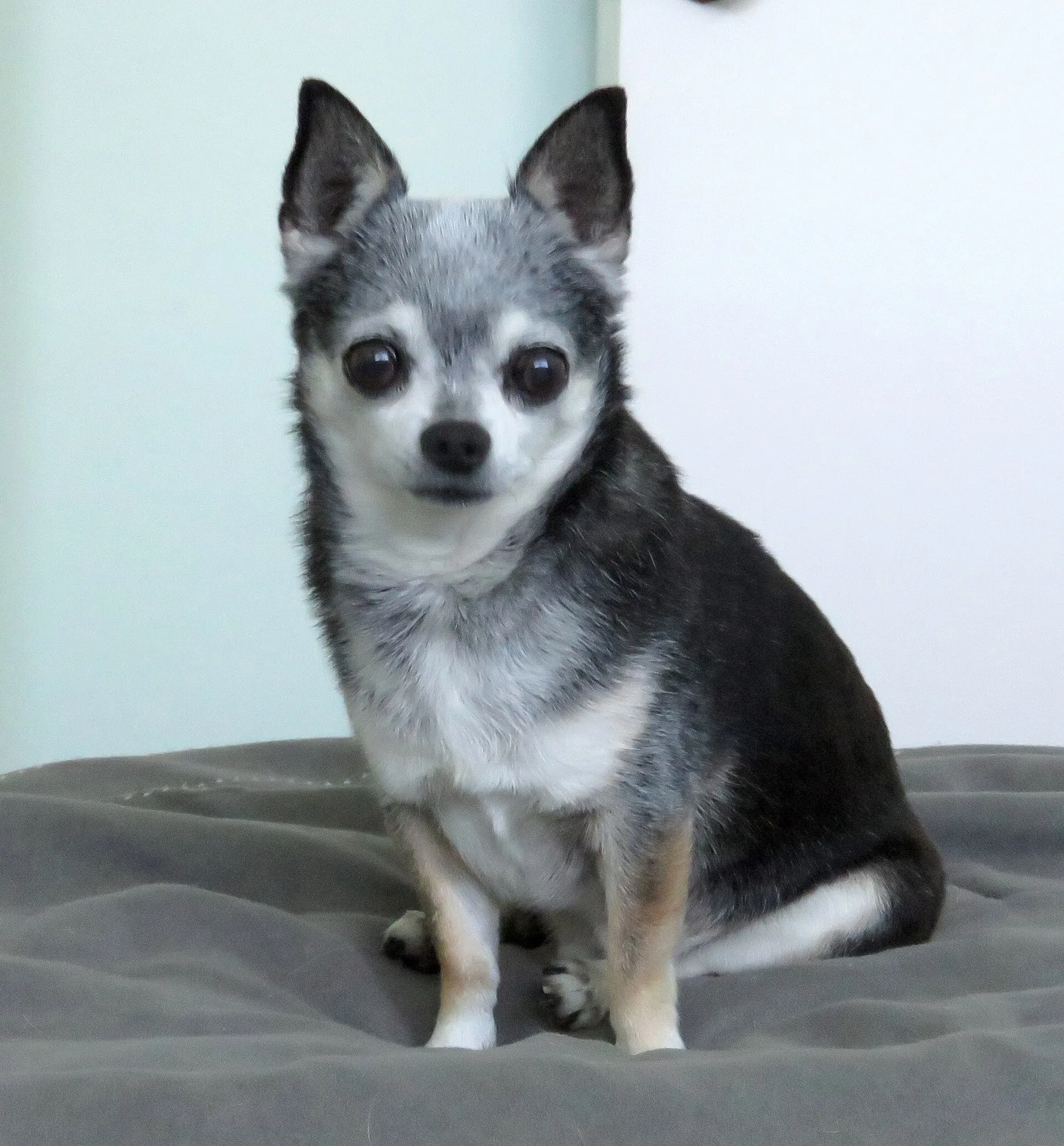
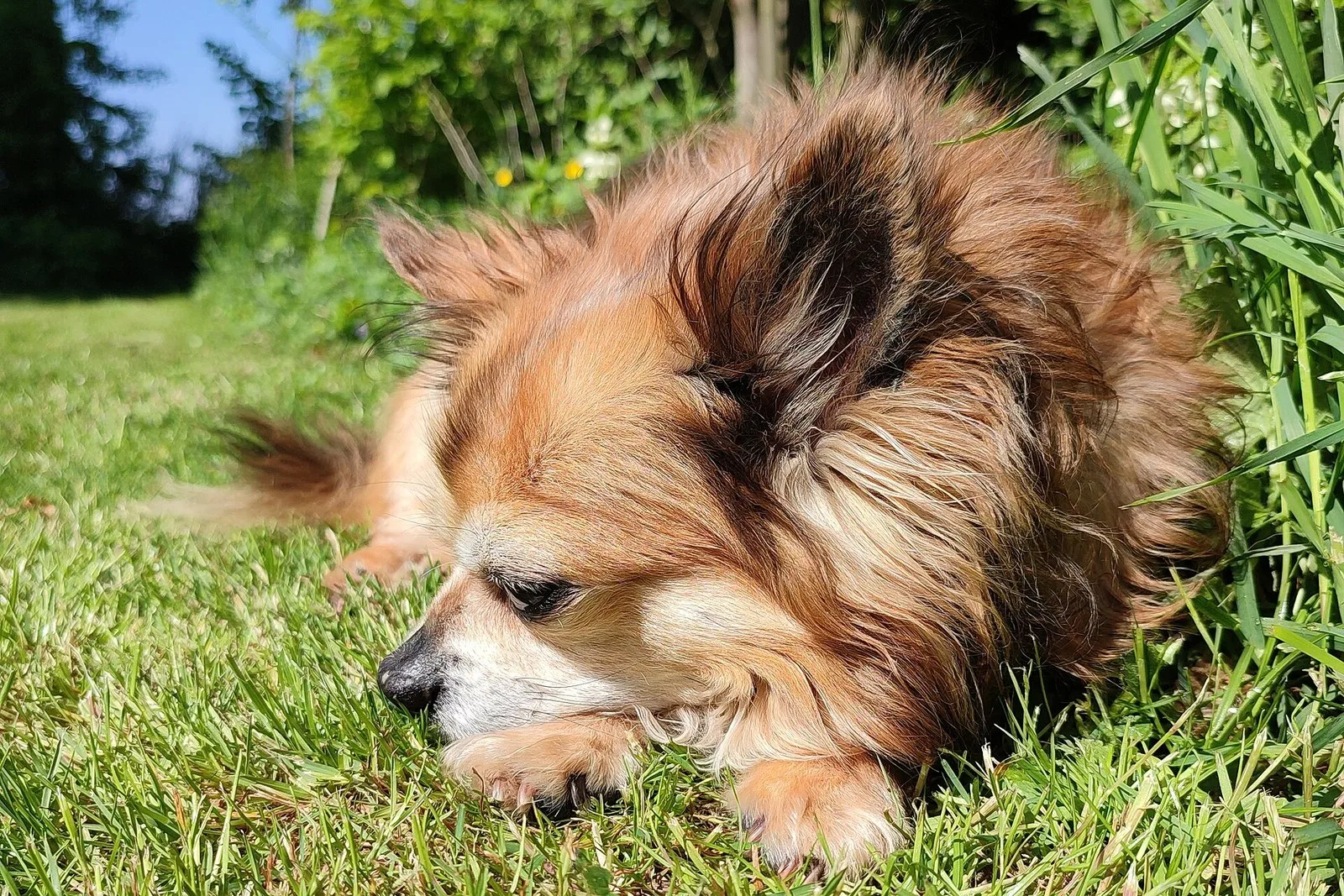
FOX 5’s reunion media remains copyrighted and reference-only. The licensed Chihuahua photos in this package are illustrations and do not show Coco, Benton, or the Atlanta Humane Society.
The true story already has an extraordinary scale: a tiny dog vanished in Texas and was identified in Georgia months later. It does not need a fabricated cross-country hike.
Coco’s whereabouts remained unknown until someone brought him to an organization that scanned him. The chip could not explain the missing miles. It answered the question his family most needed answered: who is this dog, and how do we reach home?
Featured photograph: Carlos.ferreira.rejas / Wikimedia Commons (CC BY-SA 3.0), via Wikimedia Commons. It is an illustration and does not depict the animals described in this article.

No comments yet
Leave a comment