The original “Julie’s Chihuahua Story” could not be verified, so this guide shows owners how to preserve a real dog’s history with warmth and accuracy.
Some dogs leave behind a neat folder of adoption papers and veterinary records. Others leave a camera roll, a worn blanket, three nicknames, and a family argument about the year they learned to climb the sofa.
Both kinds of evidence matter.
We could not verify the original story suggested by the assignment “Julie’s Chihuahua Story.” Rather than invent Julie, her dog, or a happy ending, this article takes the honest route: a practical method for preserving the real story of the Chihuahua in your life.
Quick answer: No, the original “Julie’s Chihuahua Story” could not be verified. The guide instead offers owners a practical method to preserve a real Chihuahua’s history through a verified timeline of adoption dates, veterinary records, microchip data, and labeled memories. It advises recording specific habits, routines, and observations in the dog’s own words while distinguishing facts from estimates or interpretations, interviewing household members, captioning every photograph with dates and sources, and storing the archive securely in multiple formats and locations.
Begin with facts you can place on a timeline
Start a document with the details that have records behind them. Useful anchors include an adoption or purchase date, microchip number, licence, vaccination history, veterinary visits, moves, training classes, and major changes in the household. If you do not know the exact birth date, write “estimated” beside it instead of turning an estimate into a fact.
The goal is not to make the story sound official. It is to keep later readers from having to guess.
Veterinary records are especially valuable because they preserve dates, weights, medications, diagnoses, and the name of the clinic that provided care. The American Veterinary Medical Association also recommends keeping identification and medical information accessible for emergencies. Save a copy with your household documents and another in a secure digital location.
A simple timeline can begin like this:
- Known date: Adopted from a named shelter; attach the agreement.
- Approximate period: First learned to use the ramp; label the month or season if the day is unknown.
- Family memory: Slept inside a blue sweater during the first winter; name the person who remembers it.
- Unconfirmed detail: Previous name may have been different; keep the uncertainty visible.
That last category is important. A careful “we think” is more trustworthy than a polished invention.
Record the ordinary details that make the dog recognizable
Official records can tell you when a Chihuahua received a vaccine. They cannot explain why the dog inspected every grocery bag or waited beside one particular chair at 6 p.m.
Write down the small routines while they are still easy to recall:
- favorite sleeping places;
- signals used to ask for food, play, or the door;
- reactions to weather, visitors, and car rides;
- preferred toys and treats;
- names and nicknames, including who used each one;
- friendships with people or animals;
- skills that took time to learn;
- habits that changed with age.
Specific observations make a story vivid without requiring dramatic claims. “She carried a green plush frog from room to room” is stronger than “she loved toys” because another person can picture it and, perhaps, verify it in a photograph.
Avoid assigning thoughts your dog could not confirm. You can write that a Chihuahua approached, retreated, wagged, barked, relaxed, or chose a lap. Claims such as “she knew she had been rescued” may feel emotionally true, but they turn interpretation into fact. Describe what happened and let the reader feel its meaning.
Interview the people who shared the story
Ask each household member the same short questions and record the answer in their own words. When did you first meet the dog? What routine do you remember most clearly? Which moment changed your understanding of the dog? What detail would someone miss by looking only at photographs?
Memories will conflict. That is normal. Do not quietly merge two versions into a third. Keep both accounts or check them against messages, calendars, receipts, and photo dates.
If you want to include a direct quotation, ask the speaker to review it. Record the person’s name, relationship to the dog, and interview date. For children, private family matters, rescue histories, or addresses, decide what should stay in the family archive rather than appear publicly.
Give every photograph a future
A folder named “dog pics” will eventually become a puzzle. Rename important files with a date, place, subject, and short description. When the exact date is unknown, use the year or season and say that it is approximate.
For example:
`2019-10-estimated_luna_first-red-sweater_home.jpg`
Keep the untouched original file. Make edited copies separately, especially if you crop, brighten, or add text. A caption should say who or what appears, where the scene happened, when it happened, and who made the image. If the photographer is not known, write “photographer unknown” rather than assigning credit.
The same discipline applies to screenshots and social posts. Save the canonical link, creator, publication date, and permission status. Being able to download an image does not mean you have permission to republish it.
Add health history without turning it into a diagnosis
A life story can include illness, recovery, disability, and aging, but medical claims need precision. Use the wording in the veterinary record where possible. Separate an owner’s observation—“she stopped jumping onto the chair”—from the veterinarian’s diagnosis.
Do not reconstruct a diagnosis from symptoms or use an online explanation to fill a gap. The American Animal Hospital Association advises owners to let veterinary professionals diagnose medical problems in context. In a public story, disclose only the health details you have the right and reason to share.
For a separate practical guide to changes that may require veterinary attention, see When Your Chihuahua Is ADR: Signs to Take Seriously.
Store the archive in more than one place
Keep one working copy and at least one backup on a different device or reputable cloud service. Export important text to a common format such as PDF as well as keeping the editable file. Check the backup once a year and after changing phones or computers.
For a physical archive, use acid-free sleeves for original papers and prints. Do not write on the front of photographs. A soft pencil on the back of a suitable print, or a separate caption sheet, is safer than a permanent marker.
Create a one-page index so another person can understand the collection. Include the dog’s full name, alternate names, estimated or recorded birth date, microchip information, veterinary contact, emergency caregiver, and the location of the full archive. Keep sensitive numbers in the private copy, not a public article.
A truthful story can still be a beautiful one
You do not need a perfect origin story or a cinematic rescue to make a Chihuahua’s life worth recording. A dated receipt, a slightly blurred photograph, and a precise memory can reveal how a small dog became part of a household.
Write what you know. Label what you estimate. Ask before sharing someone else’s words or images. Then keep the everyday details—the blanket, the greeting, the stubborn route around a puddle—because those are often the details people most want back.
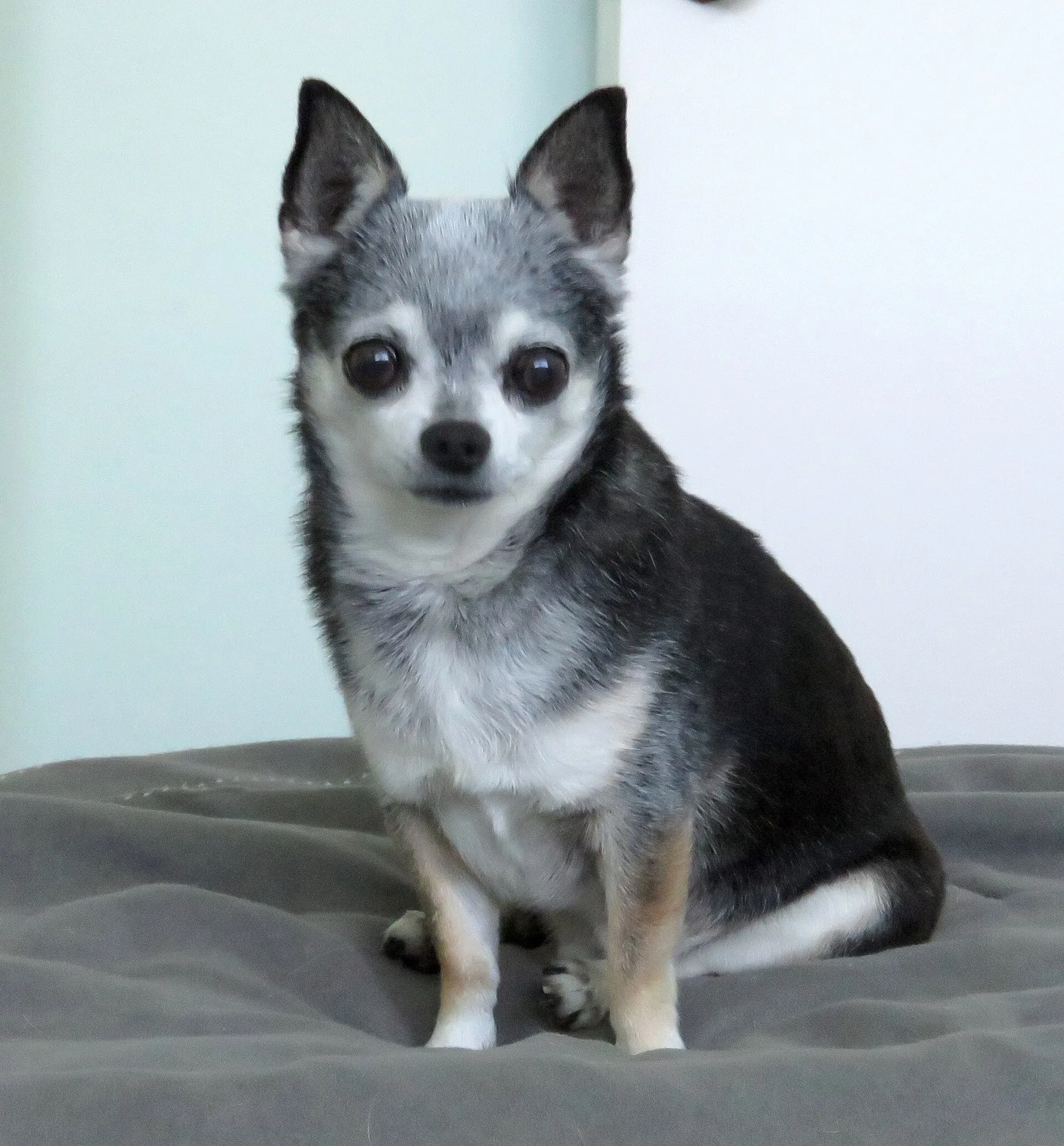
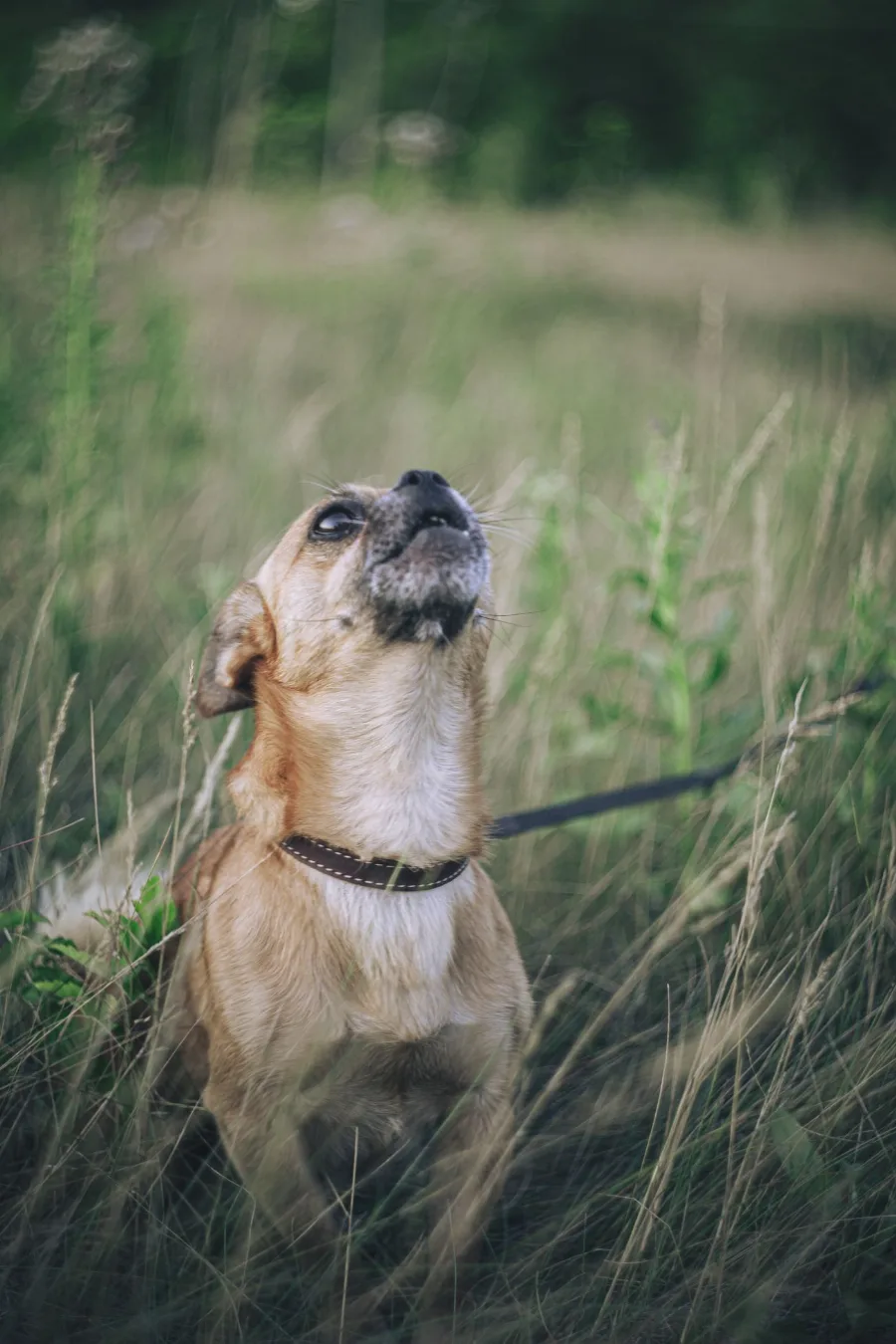
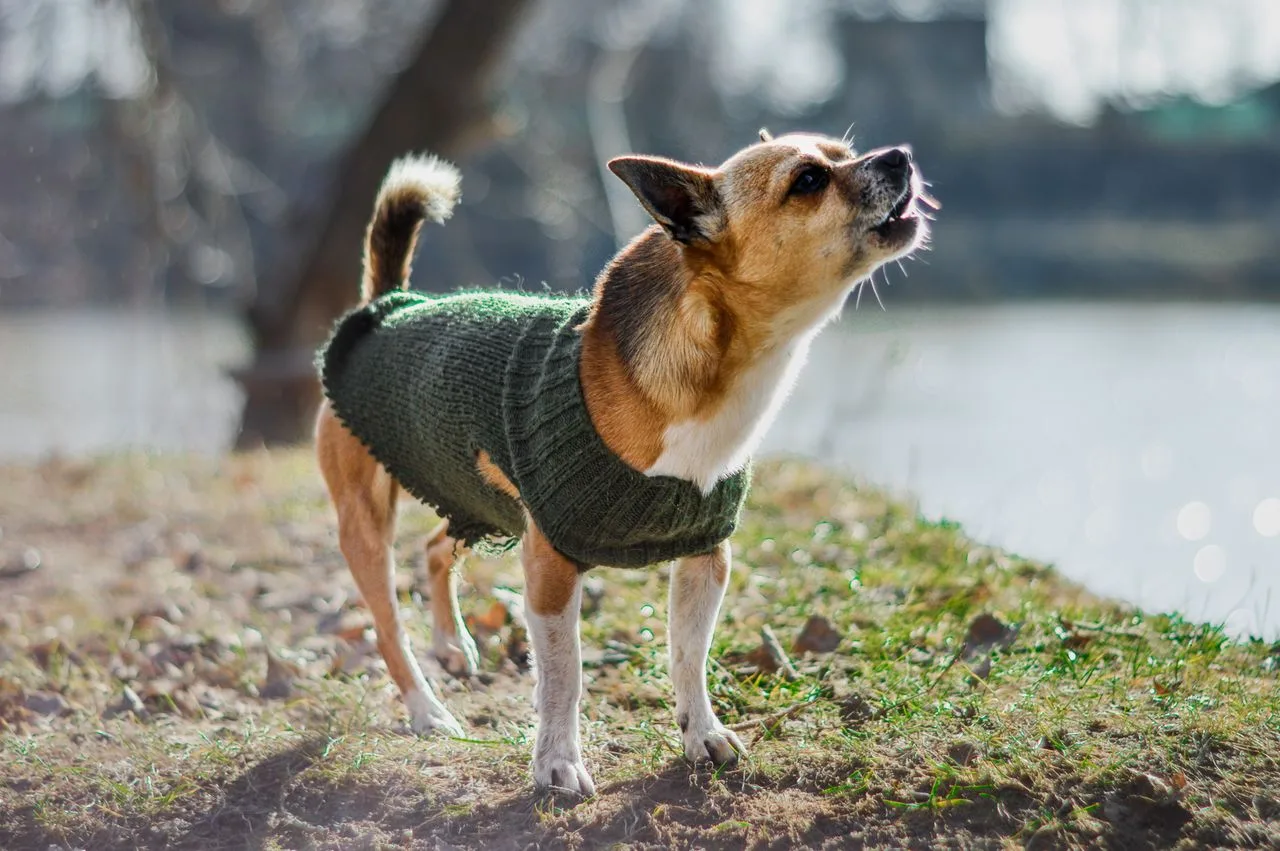
Featured photograph: znetcancel / Wikimedia Commons (CC BY-SA 4.0), via Wikimedia Commons. It is an illustration and does not depict the animals described in this article.

No comments yet
Leave a comment