The specific rainy-street story could not be verified. These steps help a wet, frightened Chihuahua without inventing ownership or bypassing local law.
A small Chihuahua alone in cold rain creates a strong urge to scoop, wrap, and keep. The first two actions may be appropriate. The third must wait.
No unique original article could be verified from the generic rainy-street slug. A responsible version should not invent a dog, rescuer, or adoption. It should explain how a finder can protect a wet dog, search for the owner, and follow the legal path to foster or adoption.
The exact route differs by place, so begin with the local animal-control authority.
Quick answer: No, a rainy-street Chihuahua rescue story cannot be verified and should not invent ownership details or bypass local law. The finder must first make the scene safer by slowing traffic from a safe spot and calling animal control, then approach sideways without cornering the dog. Once secured, warm the Chihuahua gradually with dry towels in a quiet space, check for identification only when safe, and report it officially before posting limited notices that withhold one identifying feature. Follow the legal hold, owner search, and agency process rather than claiming instant ownership.
Make the scene safer
Slow traffic without stepping into danger. Ask another person to call animal control while you watch from a safe location.
Approach sideways, avoid staring, and speak quietly. Do not corner the Chihuahua against a road, wall, or water. A frightened dog may bolt or bite.
Use food to create distance from traffic only if it can be offered safely. Slip leads and towels can help trained handlers, but an improvised chase often makes capture harder.
If the dog is injured, trapped, aggressive, or in moving traffic, wait for emergency or animal-control professionals.
Address cold and injury
Once secured, move the Chihuahua into a dry, quiet, ventilated space. Replace wet fabric with dry towels and warm gradually.
Do not use a hot bath, hair dryer, heating pad directly against skin, or vigorous rubbing. Small dogs can be burned or overheated.
Call a veterinarian for shivering that does not ease, weakness, pale or blue gums, unusual breathing, collapse, bleeding, limping, pain, or suspected vehicle impact. Fur and adrenaline can hide injury.
Do not give human medication or a large meal. Follow professional instructions about water and food, especially when the dog is cold, vomiting, or may need anesthesia.
Check identification without forcing contact
Read a tag only when handling is safe. Photograph it for records but do not publish the full phone number or address.
A shelter or veterinary clinic may scan a microchip. A scan provides an identification number, not proof that the database details are current. The authorized agency or registry should contact the recorded keeper.
Look for a collar mark, harness, recent grooming, medical alert, or other clues. None proves abandonment.
Blue Cross recommends reporting found dogs through the appropriate authority and taking precautions against scams during reunification.
Report before you post
Create an official found-dog record with animal control, the shelter, police, or other agency named by local law. Ask about stray hold, transport, foster-at-home permission, veterinary authority, and ownership transfer.
Then post a limited public notice: general area, date, species, and a contact route. Hold back one identifying feature so claimants can describe it.
Contact nearby shelters and clinics. Check lost-pet databases and community pages, but do not rely on social media alone.
Never hand the dog to the first person who sends a photograph. Compare records, microchip data, veterinary information, distinctive marks, and the dog’s response under the agency’s process.
For another finder guide with a local-government example, see Found a Tiny Chihuahua? Take These Safe Steps.

Give the dog a decompression space
If authorities permit temporary care, use one quiet room or pen with water, bedding, and an easy-to-clean toilet area.
Separate the found Chihuahua from resident animals. Unknown vaccination, parasite, illness, pregnancy, and behavior status require caution.
Keep visitors away. Do not bathe, groom, dress, or repeatedly pick up the dog for content unless immediate hygiene or veterinary instructions require it.
Offer a predictable routine and let contact be voluntary. Dogs Trust recommends quiet settling, consistency, and gradual introduction rather than pressure.
Record eating, drinking, urine, stool, coughing, vomiting, movement, sleep, and behavior for the agency and veterinarian.
Do not turn rescue into instant ownership
A finder may bond within hours. The original family may still be searching, hospitalized, displaced, or unable to access social media.
Complete the required hold and owner search. Keep receipts and written permissions. Do not sterilize, rehome, rename publicly, fundraise, or authorize non-emergency procedures outside the lawful arrangement.
If the dog becomes available, apply through the shelter or rescue like any adopter. Discuss household fit, children, resident animals, separation, medical costs, dental care, training, and the dog’s observed needs.
A loving home is not simply the first warm sofa. It is a stable, legal placement with informed consent and support.
Watch for reunion scams
Scammers may claim to have found a dog and demand a verification code or payment. Others may claim ownership to obtain a desirable small dog.
Use the official agency as intermediary. Do not send account passwords, identity documents, or codes. Never pay before receiving specific proof through a safe process.
Meet only where the authority recommends. Do not invite an unverified claimant to a private home.
Document messages and report threats or fraud.

Keep the story accurate
The licensed photographs in this package are generic illustrations. No street-rescue media was downloaded because no unique original case could be confirmed.
If the Chihuahua reunites, obtain permission before identifying the family. If adoption follows, preserve the timeline: found, reported, held, medically assessed, made available, then adopted.
Rain supplies atmosphere, not evidence of abandonment. The safe path respects the dog, the possible owner, local law, and the difference between temporary rescue and a permanent home.
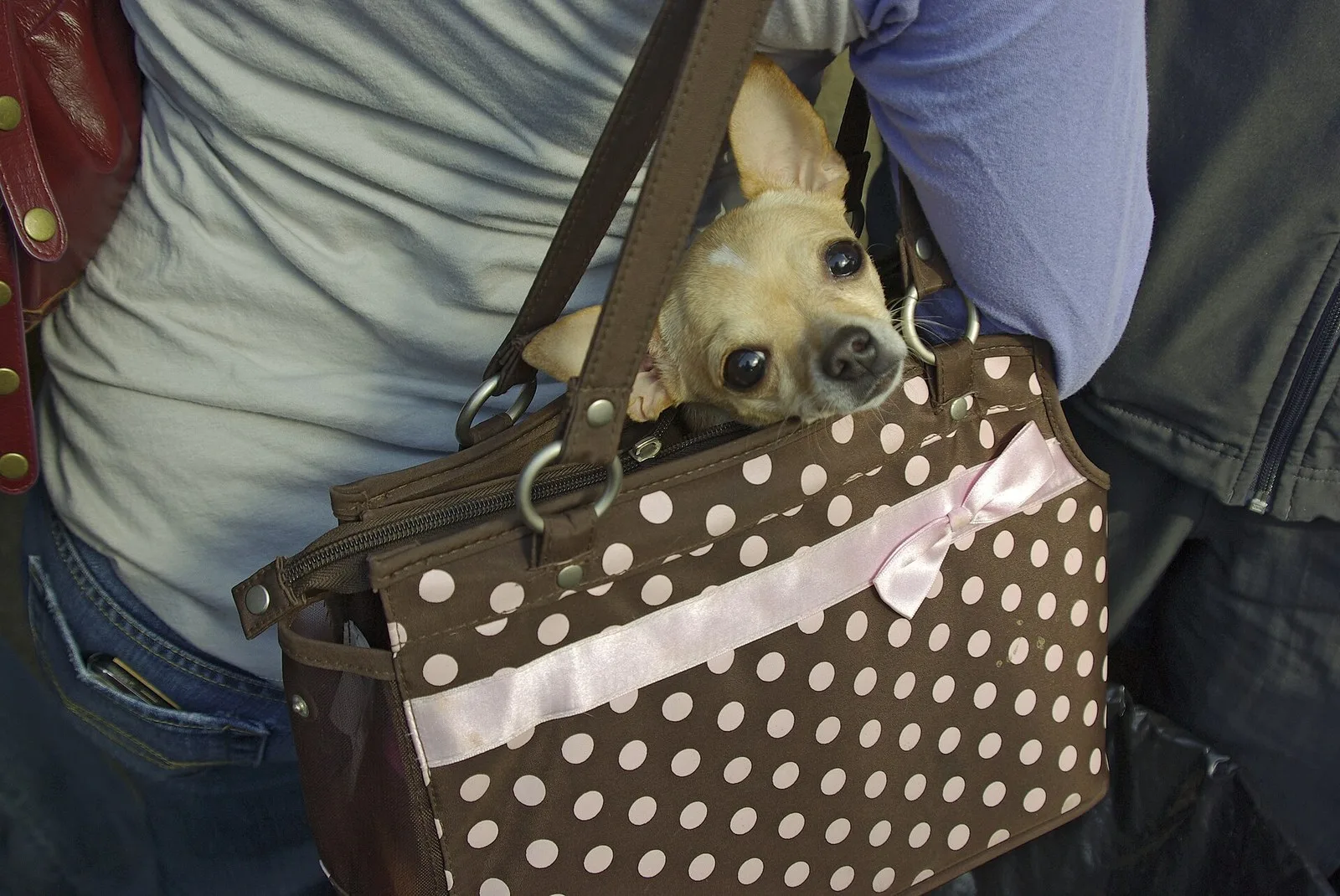
Featured photograph: Ray Devlin / Wikimedia Commons (CC BY 2.0), via Wikimedia Commons. It is an illustration and does not depict the animals described in this article.




No comments yet
Leave a comment