The private advice-forum story could not be verified, so this guide does not reconstruct a daughter's family dispute. It focuses on the responsible choices available now.
Regret is information. It is not permission to abandon a dog.
The private story suggested by this slug could not be verified. There is no reliable record of a daughter, a Chihuahua, a transfer agreement, or the reasons someone regretted taking the dog. Reconstructing that family would turn a headline into gossip.
What can help is a calm plan for any household facing the same decision.
Quick answer: No, regret after taking in a Chihuahua is not permission to abandon the dog. Responsible options include separating the dog from tension, recording specific problems and triggers, clarifying legal ownership in writing, ruling out pain or illness with a veterinary exam, seeking targeted support from organizations such as the ASPCA, and pursuing transparent rehoming through the original breeder, rescue, or reputable shelter while disclosing full records.
Protect everyone today
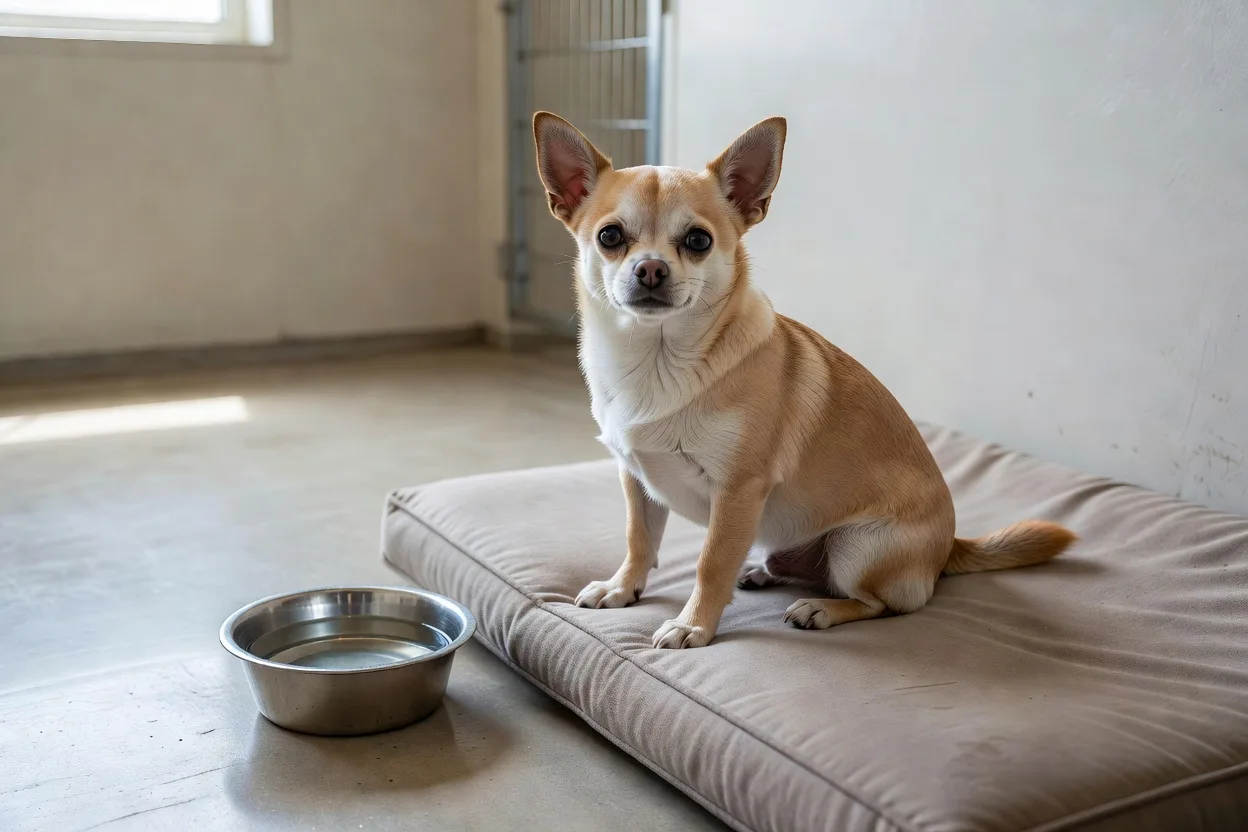
Separate the Chihuahua from children, visitors, or animals when interactions are tense. Use doors, gates, a secure pen, or a quiet room with water and bedding. Do not rely on someone holding a tiny dog during conflict.
Prevent escapes with a properly fitted harness, secure doors, current identification, and updated microchip registration. A frightened dog can slip through a gap or back out of loose equipment.
If there has been a bite, serious fight, breathing problem, collapse, repeated vomiting, suspected poisoning, or severe pain, contact the appropriate medical or veterinary service promptly.
Do not threaten, hit, shock, starve, dump, or secretly transfer the dog. Do not advertise 'free to anyone' during a moment of panic.
Write down the actual problem
'I regret this' can contain several different problems: unexpected expense, house-soiling, barking, landlord restrictions, conflict with another pet, a caregiver's illness, separation distress, biting, allergies, travel, or a promise that another relative did not keep.
List the behaviors or constraints in observable terms. Record when they occur, what happens beforehand, duration, and what makes them better or worse.
Separate urgent facts from assumptions. 'The dog urinated twice after being left eight hours' is usable. 'The dog is spiteful' is not.
Collect veterinary records, vaccination history, medication, diet, microchip details, licences, adoption contracts, and written messages about the original arrangement.
Clarify who is responsible
Speak directly with the daughter or other previous guardian. Decide who legally owns the dog, who can authorize veterinary care, who pays current costs, and whether the transfer was temporary or permanent.
Put the agreement in writing. Include a date, care duties, expenses, transport, records, and what happens if the arrangement ends.
If the Chihuahua came from a breeder or rescue, read the contract before transferring the dog. It may require return to that organization or prohibit private rehoming.
Ownership law differs by location. A shelter, veterinarian, legal-aid service, or animal-control agency may explain local documentation without turning the dispute into a social-media campaign.
Give adjustment a fair but safe chance
A new home changes smells, people, routines, sleeping places, toilet access, and expectations. AKC guidance recommends patience and consistency while an adult dog settles.
Establish predictable meals, toilet breaks, sleep, walks, medication, and quiet time. Begin with a small safe area instead of giving immediate access to the entire home.
Reward the behaviors you want. Keep training sessions short and use equipment that fits a toy dog. Avoid flooding the Chihuahua with visitors, dog parks, forced cuddling, or punishment.
A trial period is appropriate only if the household can remain safe. A serious bite risk, legal housing deadline, or unmet medical need requires professional help rather than an arbitrary wait.
Rule out pain and illness
Book a veterinary examination when behavior has changed, medical history is incomplete, house-soiling begins, handling causes a reaction, or appetite, thirst, weight, sleep, movement, or elimination is abnormal.
Dental pain, orthopedic problems, urinary disease, gastrointestinal illness, sensory loss, and other conditions can look like disobedience or irritability.
Bring the written log and records. Ask for realistic costs and priorities if money is limited. Local nonprofit clinics, veterinary schools, payment programs, or pet-resource services may have options, but availability varies.
Do not give human medication or leftover drugs.
Ask for targeted support
The ASPCA supports services that help suitable pets and people remain together. Depending on the problem, useful help may include temporary food assistance, fencing repair, short-term boarding, veterinary aid, landlord mediation, pet deposits, training, or respite care.
Choose a qualified reward-based trainer for skills and management. Aggression, severe fear, or complex compulsive behavior may require a veterinary behaviorist or veterinarian-directed plan.
Be precise when asking: 'We need two weeks of daytime care after surgery' is easier to solve than 'someone take this dog.'
Rehome transparently when necessary
Keeping every dog in every home is not always humane or possible. Responsible rehoming is a planned transfer to a screened, suitable person or organization.
Contact the original rescue or breeder first. Then ask reputable local shelters and breed-specific rescues about appointments, managed intake, courtesy listings, foster support, and expected timelines.
Disclose veterinary conditions, medication, bite history, behavior around children and animals, house-training, separation behavior, and known triggers. Describe observations, not guarantees.
Charge or screening practices should follow reputable local guidance. Verify identity, household agreement, landlord permission, existing pets, and the adopter's plan for veterinary care.
Transfer records, food details, familiar bedding, identification, and ownership documents. Update the microchip registry after the placement is final.
Keep the story private and accurate
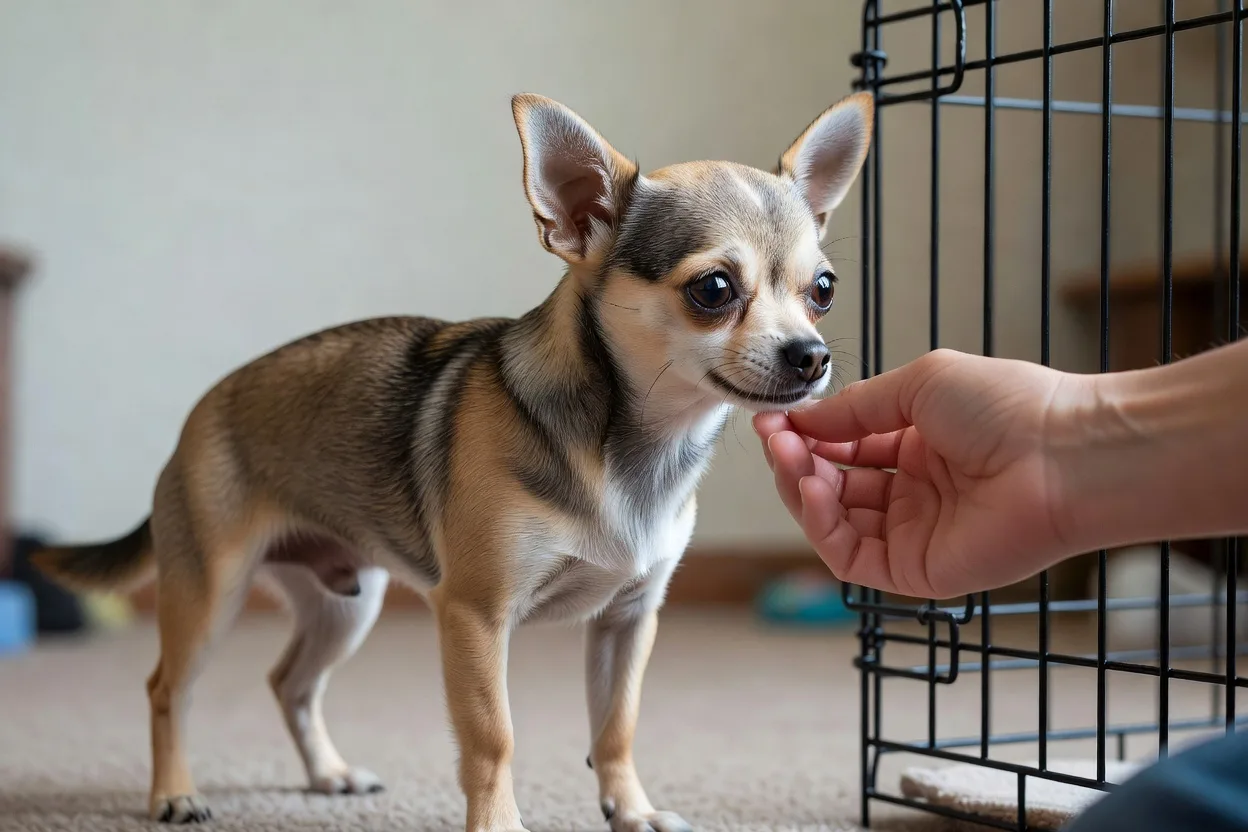
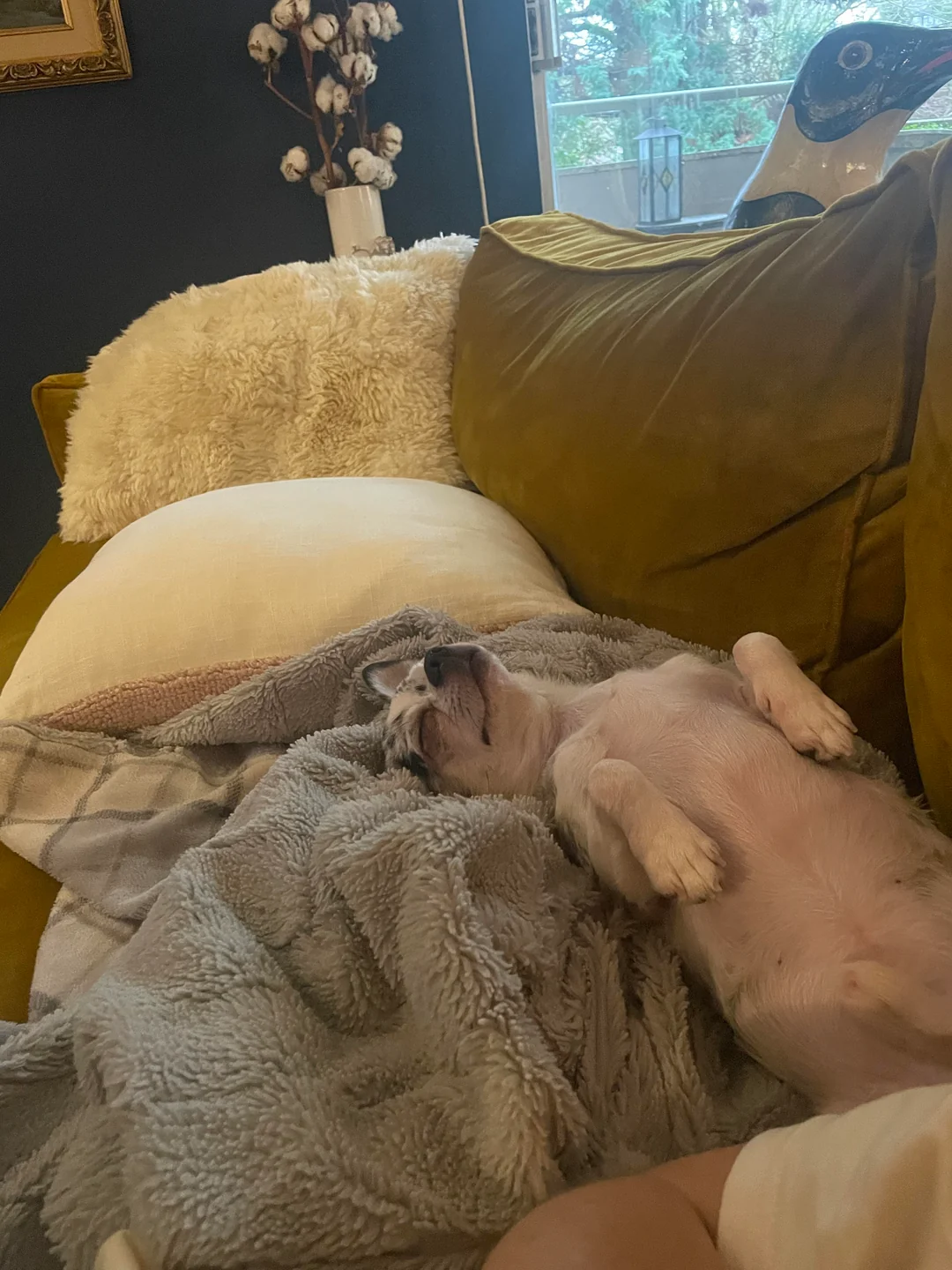
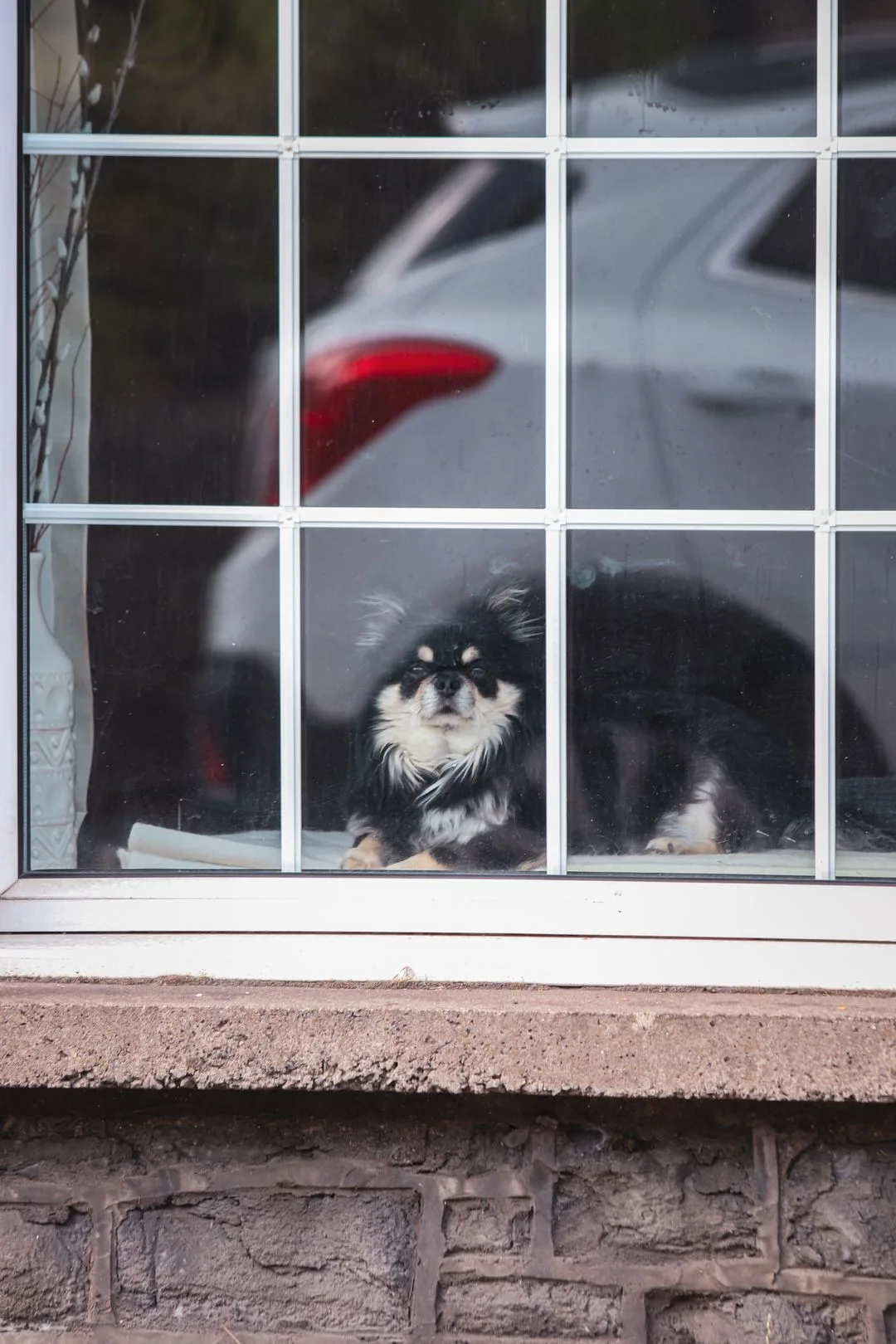
The three licensed photographs in this package are general Chihuahua illustrations. They do not show a daughter, caregiver, or dog from the missing story.
Do not post a relative's messages, address, health information, or accusations to attract attention. Do not label the Chihuahua dangerous, ruined, jealous, or ungrateful.
A truthful adoption profile can be warm without concealing risk. State what the dog has done in known settings, what support helped, and what remains unknown.
Choose the least harmful workable outcome
Regret may soften after sleep, a veterinary answer, a clearer schedule, or shared costs. It may also reveal that the placement cannot continue.
Either way, responsibility means stabilizing the dog while a decision is made, seeking relevant help, and transferring care only through a transparent process.
No one needs a manufactured villain. The Chihuahua needs food, safety, health care, honest records, and an adult willing to complete the next step.
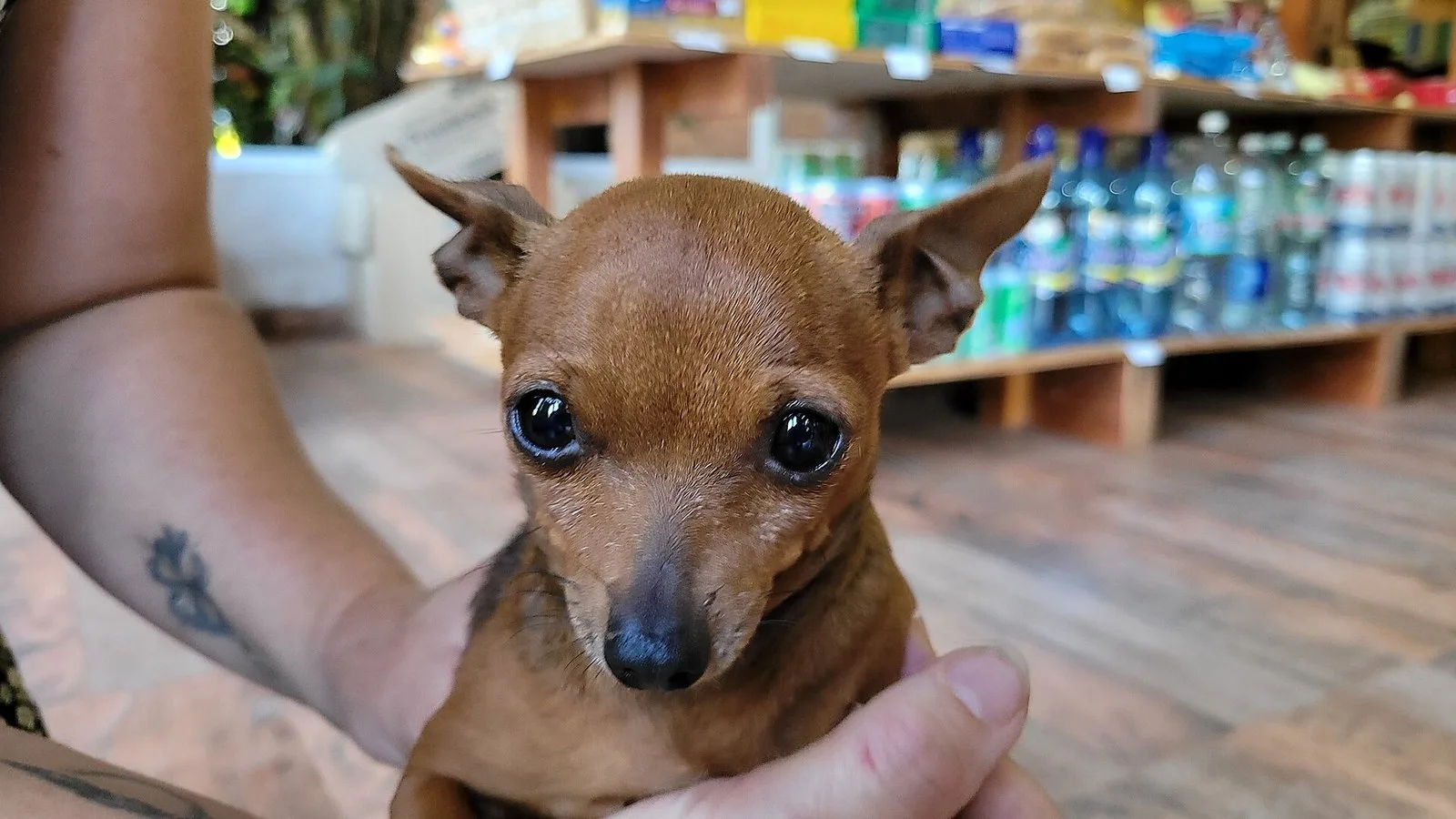
Featured photograph: Horacio Cambeiro / Wikimedia Commons (CC BY 4.0), via Wikimedia Commons. It is an illustration and does not depict the animals described in this article.

No comments yet
Leave a comment