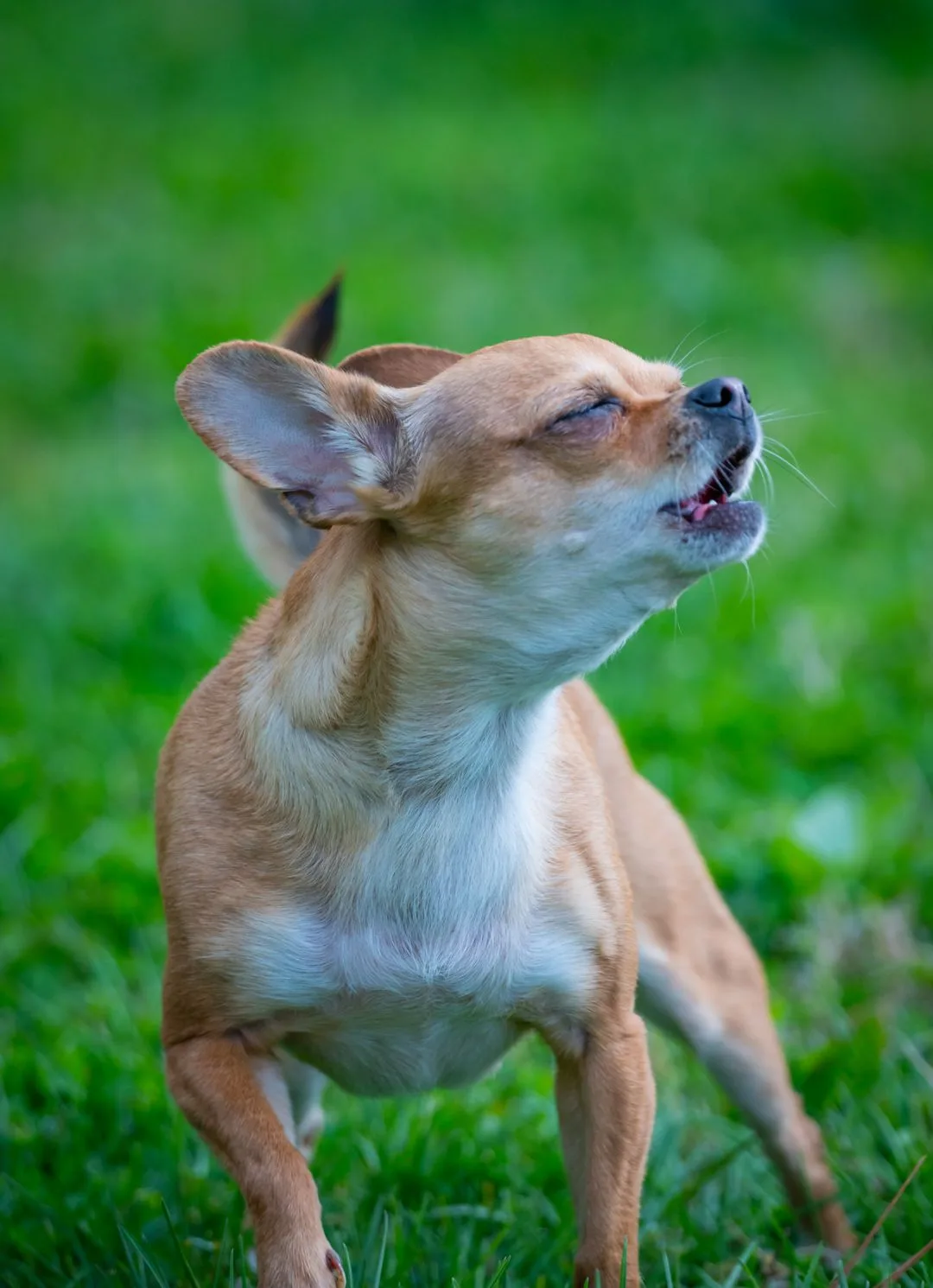
The headlines from February 2014 are still online and they are still extremely confident. A neighborhood in west Phoenix, they reported, had been taken over by packs of stray chihuahuas. Rampaging. Terrorizing. Gone wild. I have a chihuahua asleep against my leg as I type this. He weighs four pounds and treats the dishwasher as a hostile foreign power. I wanted the story to be true badly enough that I read every version of it, which is how I found out that it mostly was not.
Quick answer: The February 2014 headlines described a west Phoenix neighbourhood overrun by rampaging packs of stray chihuahuas. The verifiable version is narrower: Maricopa County Animal Care and Control fielded close to 6,000 calls for service from Maryvale's roughly 21 square miles over the previous year, a stray-dog problem in a large, under-resourced neighbourhood rather than a chihuahua invasion. The breed made the story travel; the numbers describe something more ordinary and more fixable.
What Maryvale actually reported
The place is Maryvale, a large neighborhood on the west side of Phoenix. On February 13, 2014, KJZZ reported that Maricopa County Animal Care and Control had fielded close to 6,000 calls for service from Maryvale's roughly 21 square miles over the previous calendar year. Supervisor John Reynolds told the station that was about twice the volume from a comparable stretch of Glendale, and nearly three times what the county handled for Chandler and Gilbert combined.
The same day, Fox 10 Phoenix spoke with residents who described loose dogs moving in groups of eight to twelve, going yard to yard, following children on the way to school, and barking through the night at a stamina our barking desk has documented at length. None of that is amusing if it is your street. It was a real complaint, and the county was not disputing it.
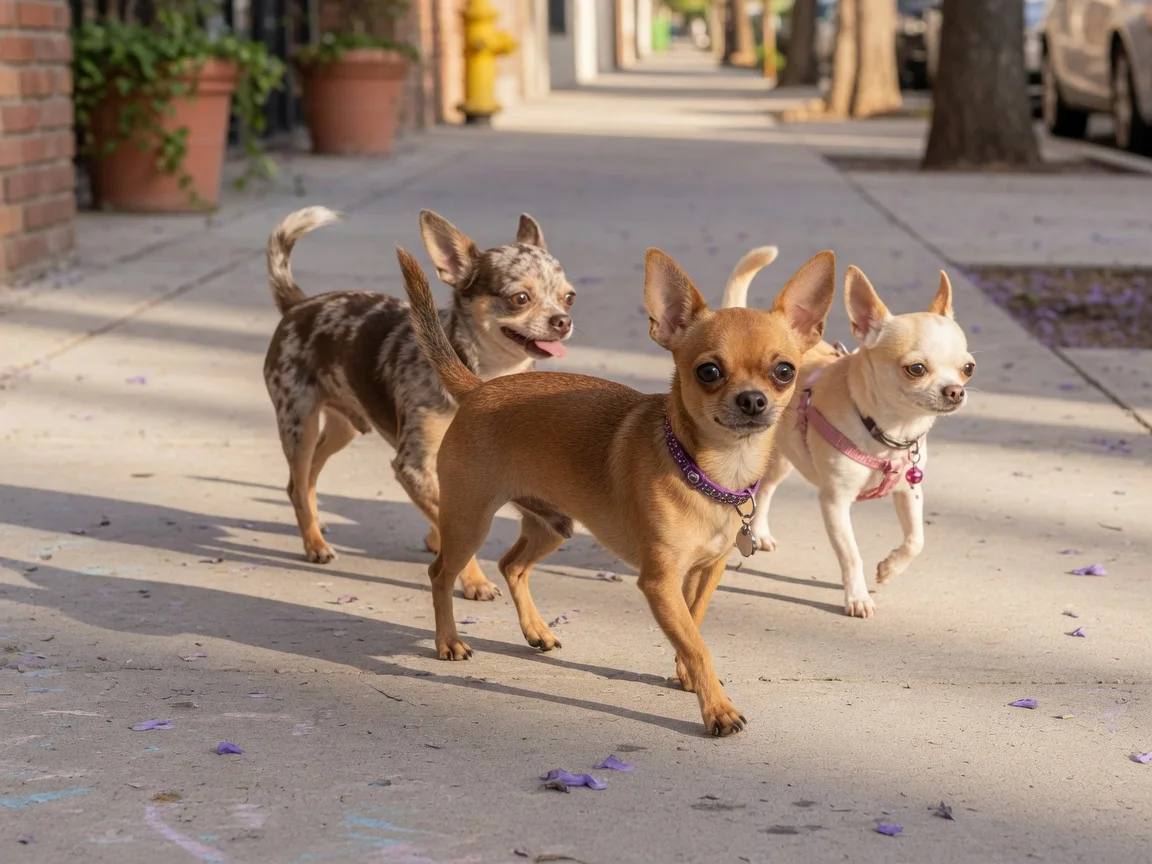
How eight to twelve became an occupying army
Here is where the story left the ground. Within four days the local coverage had gone national, and the figures survived the trip while the verbs did not. On February 17, ABC News filed it under the word rampage, quoting county spokeswoman Melissa Gable on the 2013 call volume running three times higher than similar parts of town. TIME's version used terrorizing. Somewhere between Phoenix and the rest of the country, loose dogs in groups of eight to twelve acquired a command structure.
I understand the appeal, because I fell for it entirely. The chihuahua is the most rewritable dog in America. Point a camera at one and you may caption it as a tyrant, a diva, a menace, or a handbag accessory, and it will hold the pose for all four, which is roughly the case our reputation file has been making for years. The breed was assigned a personality it never applied for, and headline writers renew the lease annually.
The reporter who drove over and looked
On February 18, 2014, Phoenix New Times writer Matthew Hendley did the thing nobody in the national cycle had bothered with. He drove around Maryvale for about an hour looking for the gangs. He passed dozens of residents standing outside, unharassed. He found one chihuahua. It was wearing a collar. It was inside a fenced yard near 51st Avenue and Thomas Road. It was, by every available indication, employed.
His count of stray chihuahuas that afternoon was zero. One hour is not a census and he did not present it as one, and the county's call logs were not invented by anybody. But an hour was still more field work than the terrorizing framing had received, and it landed the point: something real was happening in Maryvale, and it was not the thing on television.
The story with the worse publicist
The actual problem was boring, which is why it needed a costume to travel. KJZZ reported that animal control traced much of the situation to pets abandoned in the neighborhood, including during the fallout from the foreclosure crisis. ABC News reported the other half of the engine: dogs that had never been spayed or neutered, roaming to find mates and producing more dogs. Two unaltered strays are not a pack. They are a pack in about nine weeks.
The response was equally unglamorous. Per ABC News, Maricopa Animal Care and Control offered free spay and neuter services and planned a summer visit to Maryvale to provide them on site. Per KJZZ, the agency was preparing public service announcements for Spanish-language radio and television urging residents to get their animals fixed. No gang. No siege. A subsidized surgery and a radio spot. It is the same arithmetic behind every crowded intake list our shelter numbers piece tries to explain, and it photographs terribly.
What a group of small dogs actually is
This part is worth saying plainly, because the comic framing buries it. Dogs loose in groups are in genuine danger, mostly from traffic and from other dogs. Residents in the Fox 10 report described larger dogs traveling with the small ones, which is not a detail that favors the small ones. Unaltered animals wander farther and take worse risks, the least surprising finding in our running-away file. A dog moving in a group of eight is not staging anything. It is a lost pet that has found other lost pets.
I still catch myself wanting the other version. Some part of me, the part that has watched four pounds of dog lose a sustained argument with a doorbell, would love the record to show that his people once briefly ran a zip code. The record shows something quieter and considerably better: a neighborhood with a legitimate call-volume problem, a county handing out free surgeries, and one collared chihuahua doing its job behind a fence.
If you want to help the version that was actually true, the entry point has not changed in twelve years and it is not exciting. Fix your dog, chip your dog, and if you have the room, work with a rescue and take home one of the ones nobody wrote a headline about. Mine is asleep on the sweatshirt again. He has no idea he was ever the news.


No comments yet
Leave a comment