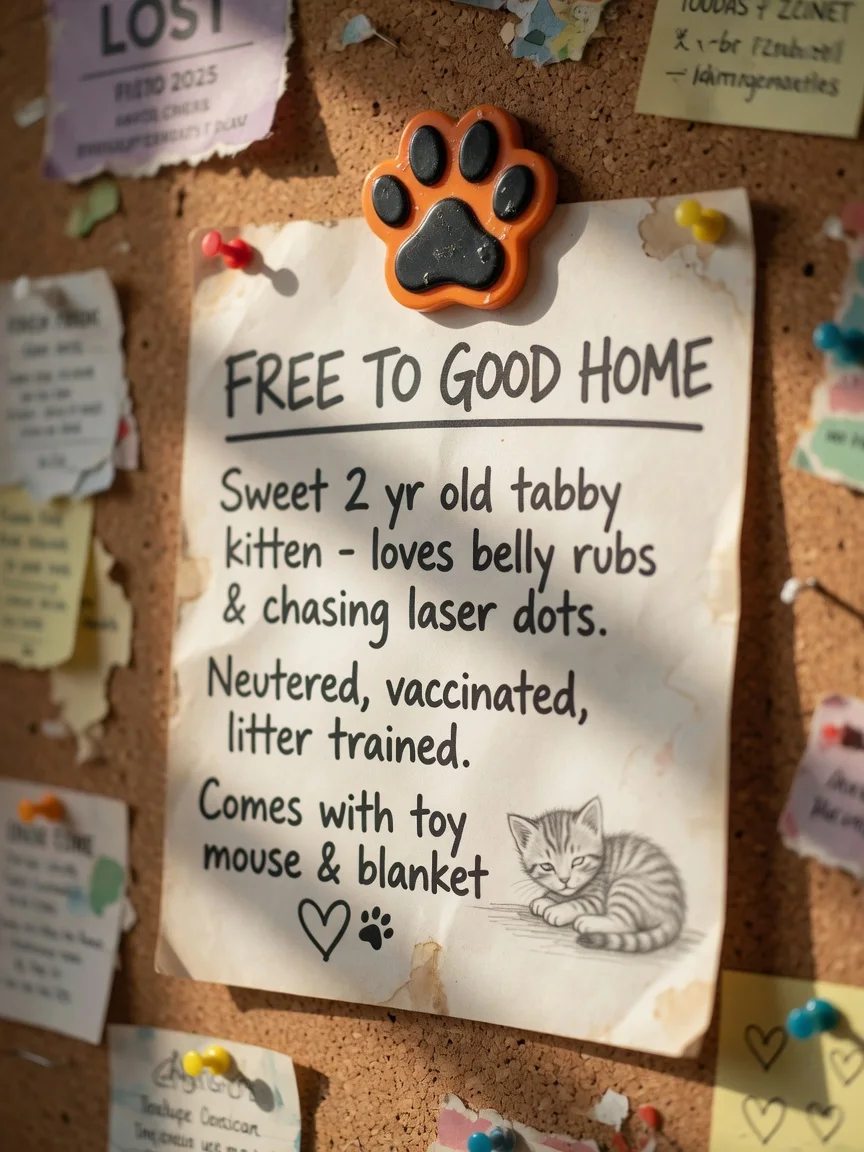
The listing went up on Facebook in early April 2021, and it broke nearly every rule of the genre. It called the dog a gremlin. It said he hated men, children, dogs and cats. It predicted he would live to 21 out of spite. The dog was Prancer, a 13-pound chihuahua in the care of Second Chance Pet Adoption League, an all-volunteer rescue in New Jersey.
His foster, Tyfanee Fortuna, then 25, had been living with him for about six months. As NPR reported at the time, the post opened by conceding the obvious: "There's not a very big market for neurotic, man hating, animal hating, children hating dogs that look like gremlins."
A screenshot reached Twitter within days. Fox News reported that the Facebook post was shared more than 73,000 times. On April 27, 2021, NPR and other outlets reported that he had been adopted the week before.
Quick answer: The listing went up on Facebook in early April 2021 and broke nearly every rule of the genre: it called the dog a gremlin, said he hated men, children, dogs, and cats, and predicted he would live to 21 out of spite. The dog was Prancer, a 13-pound chihuahua in the care of Second Chance Pet Adoption League in New Jersey, and his foster Tyfanee Fortuna wrote it. He was adopted within weeks. A blunt listing helps by shrinking the applicant pool to the households that can actually work.
The listing that refused to sell the dog
Most adoption copy reads like real estate copy. Quirks become charm, a dog who cannot live with cats becomes a dog who would love to be your only pet, and the reader learns the rest in week three. Fortuna went the other direction. She called her foster a "13lb. rage machine" and wrote that she was convinced he was "not a real dog, but more like a vessel for a traumatized Victorian child that now haunts our home."
What kept the post from being cruel was the practical paragraph at the end. The listing named the household that would work: "His ideal home would be with a single woman, a mother and daughter, or a lesbian couple." It also listed what he had going for him: housebroken, loyal, obedient and mellow when left alone, according to the ad as quoted by Fox News.
Rescue people passed the screenshot around with something other than amusement. An honest listing is a filter. It costs a dog a hundred casual inquiries and saves him one returned placement.
How Prancer got to that foster home
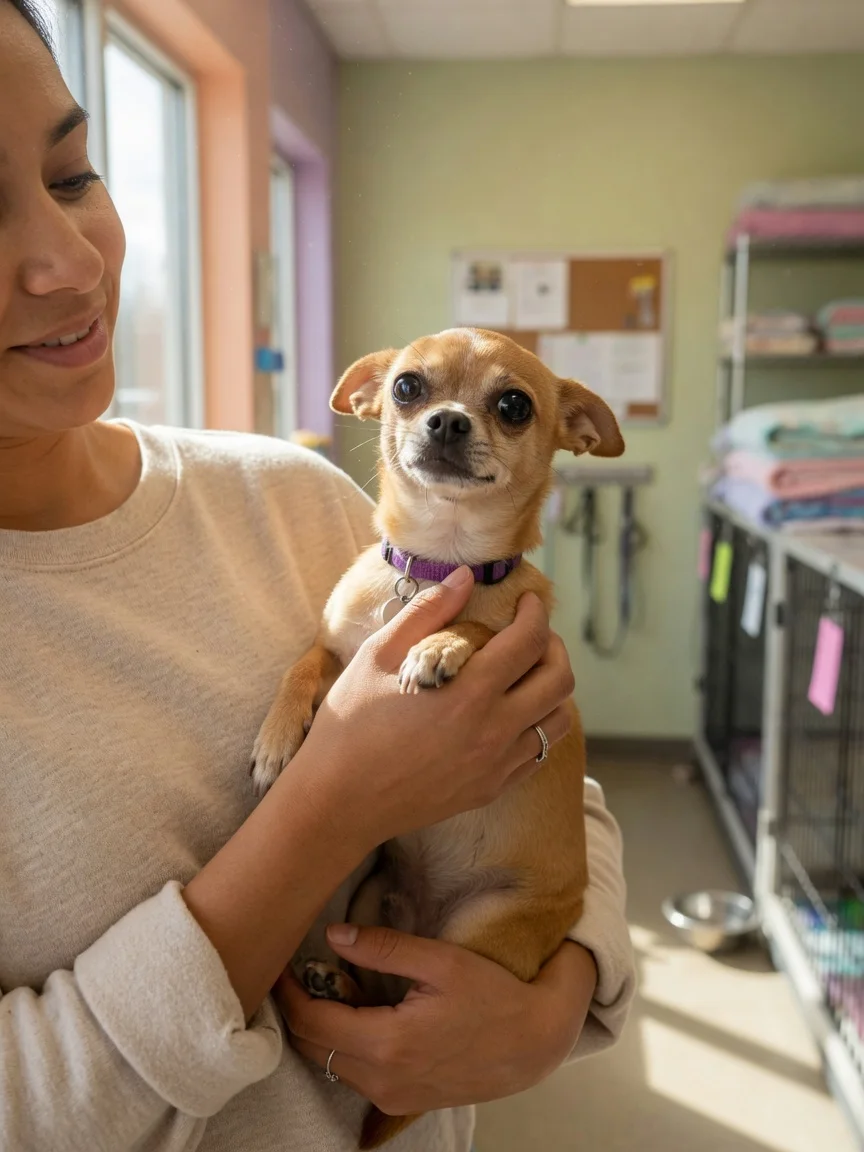
The backstory is less funny than the listing. According to BuzzFeed News, which interviewed the people involved, Prancer had belonged to an older woman who spoiled him with bacon, egg and cheese sandwiches and cashmere sweaters, and who moved into assisted living. He arrived in rescue, in the listing's own words, "terrified, untouchable, and severely overweight." Patch's local coverage in Morris County, New Jersey described a dog treated like a person and never socialized.
That is a specific failure mode, and it is not the same thing as abuse. A small dog who is carried everywhere, never introduced to men, and never asked to share space with another animal reaches adulthood with no working vocabulary for any of it. Our guide to socializing a chihuahua covers the window when that vocabulary is cheap to build; Prancer's had closed long before a rescue met him. The behavior it produces, loud and out of proportion to the animal producing it, is what the breed gets blamed for, as we covered in the ankle-biter myth.
Foster care did not soften the assignment. BuzzFeed News reported that in Fortuna's home Prancer lived alongside seven dogs and 12 cats, went on a strict diet, and had to share the house with a man. Six months of that is the vantage point the listing was written from, and it explains the exhaustion in it.
What happened at the rescue when the post took off
Viral attention arrives at a small rescue as work: inquiries came in from around the world, and somebody had to read them. Stephanie, a Second Chance representative quoted by Patch, said the group had worldwide interest but "not too many serious local ones who have followed through with an application." The organization held out for a local placement so an applicant could meet the dog first, ordinary practice that for this dog was closer to mandatory.
The traffic also did something the rescue could not have engineered. Fox News reported that roughly ten other dogs were adopted in the wake of Prancer's attention. That is the detail most retellings drop, and the one that describes how the system behaves: one legible dog pulls strangers onto a listings page, and other dogs leave through the door he opened. Our piece on fostering a chihuahua covers that end of the work, and why so many chihuahuas end up in shelters explains the volume those listings compete against.
The woman who drove down from New Haven
Ariel Davis was 36, lived in New Haven, Connecticut, and worked as a cook at a rehabilitation center for women, according to BuzzFeed News. She had adopted a chihuahua and Jack Russell terrier mix years earlier, so the warnings read as familiar rather than disqualifying. She told NPR why she fit the brief: "I'm a single woman, I'm a single lesbian, I live with another woman, I don't have any men in my life."
She drove to New Jersey, met the dog, and brought him home the same day. "I got there and we just connected," she told The Advocate. "Prancer took pretty well to me. We just got along."
What followed was less a transformation than an accommodation. Davis started an Instagram account for him and answered many interview requests. BuzzFeed News reported that she had taken on a book agent for a possible children's book and that producers had discussed adapting the story; whether either was completed the public record does not settle. Her own account of living with him stayed unsentimental: "There's some times where I look at him like, You're the most beautiful dog I've ever seen. And then there's some times I'm like, What hole did you crawl out of?" Prancer was not the first: a 2014 shelter post about Eddie the Terrible tried the same trick and placed him within a week. Not every viral rescue story survives checking, and the painted-nails rescue that turned out to be a hoax is the cautionary version.
Frequently asked questions
Was the Prancer adoption ad real?
Yes. His foster, Tyfanee Fortuna, wrote it and posted it to Facebook in early April 2021 for Second Chance Pet Adoption League in New Jersey. NPR, Fox News, BuzzFeed News and local New Jersey outlets reported the story, and his adoption was reported on April 27, 2021.
What happened to Prancer after he was adopted?
He went home to New Haven, Connecticut with Ariel Davis, who set up an Instagram account documenting his life. Reporting afterward described a dog who stayed particular about people rather than one who had been cured. Beyond those interviews and that account, his life is not documented in news coverage, so treat specific claims with caution.
Does a blunt adoption listing actually help a dog?
It helps the right dog reach the right household, which is a narrower claim than it sounds. Candid listings shrink the applicant pool and cut down on returns, which cost an undersocialized dog the most ground. Our guide to adopting a rescue chihuahua covers what a listing should tell you before you apply.
The line everyone quoted was the one about gremlins. The line that did the work came later, after Fortuna stopped cataloguing what was wrong with the dog and named the household that would suit him: a single woman, a mother and daughter, a lesbian couple. In New Haven, a woman read that sentence, recognized herself, and drove to New Jersey.


No comments yet
Leave a comment