
Contemporary reports agree that a passerby noticed a moving bag, found Coco struggling to breathe, and brought her to South Jersey Regional Animal Shelter for care.
A person walking a dog saw a bag move near railroad tracks in Vineland, New Jersey. Inside was a living Chihuahua struggling for air.
Local reports identify the dog as Coco, a young female found in February 2022 near tracks behind a glass facility. The finder opened tied or nested bags and took her to South Jersey Regional Animal Shelter, where she received veterinary care and later recovered in foster care.
The facts are disturbing enough. They do not need graphic embellishment.
Quick answer: No, Coco was not abandoned in a way that identifies any perpetrator or legal outcome. A passerby noticed a moving bag near railroad tracks in Vineland, New Jersey, in February 2022, opened the tied or nested bags, and found the young female Chihuahua struggling to breathe in filthy conditions. The finder took her to South Jersey Regional Animal Shelter for veterinary care, after which she recovered in foster care. Contemporary reports from WPVI/6abc and News 12 New Jersey confirm the details without establishing who placed her there.
What contemporary reports confirm
WPVI/6abc and News 12 New Jersey reported that the bag appeared to move, prompting the passerby to investigate. Coco was found alive inside multiple bags in filthy conditions and was described as gasping or having difficulty breathing.
The shelter arranged medical evaluation and care. Contemporary coverage showed Coco alert during recovery and reported that she entered a foster setting.
Authorities were investigating, and a reward was offered at the time for information. Those 2022 details belong to the historical account, not as a current instruction to use an old phone number.
The reviewed sources do not establish who placed Coco there or whether a later prosecution occurred.
Do not turn an allegation into a solved case
The conditions support reporting suspected animal cruelty and immediate danger. They do not identify a perpetrator.
Avoid publishing names from comments, neighborhood rumor, or unverified screenshots. Do not infer motive, ownership, mental state, or a relationship to the dog.
A later update should rely on police, prosecutor, court, or shelter records that clearly match Coco's case. If none can be found, say that the reviewed sources did not provide an outcome.
The word 'abandoned' describes Coco's circumstances in contemporary coverage; it does not prove who abandoned her.
Call for help and assess immediate danger
If a person encounters a container that appears to hold a living animal, contact emergency services or animal control according to the urgency and local system. Describe movement, sounds, location, hazards, traffic, water, heat, and whether the animal can breathe.
Railroad property, roads, unstable structures, chemicals, aggressive animals, sharp objects, and suspicious packages can endanger a rescuer. Do not trespass onto active tracks or create another emergency.
When suffocation or extreme temperature creates immediate life-threatening danger and it is safe to act, follow dispatcher instructions if available. Use gloves or a barrier where practical and keep the face away from an unknown animal that may bite from fear or pain.
The exact response depends on hazards that a headline cannot show.
Preserve useful evidence
Note the time, precise location, weather, container position, vehicles, witnesses, and anything that may disappear. Take photographs from a safe distance if doing so does not delay rescue.
Do not rearrange more of the scene than necessary to save the animal. Keep bags, ties, containers, bedding, or notes for authorities rather than cleaning or discarding them.
Avoid broadcasting the exact scene before investigators secure it. Public posts can attract crowds, expose private property, or alert a responsible person.
Give original files to authorities and retain unedited copies. Do not add filters, captions, or music to evidentiary footage.
Transport with breathing and temperature in mind
Once free, keep the Chihuahua in a ventilated carrier or secure box lined with a clean towel if the animal can be moved safely. Minimize handling and keep the airway unobstructed.
Do not wrap a struggling or overheated dog tightly. Do not force food, water, milk, or medication. A veterinary professional should guide care after possible suffocation, dehydration, toxin exposure, trauma, or prolonged confinement.
Breathing difficulty, collapse, seizure, uncontrolled bleeding, inability to stand, severe weakness, or abnormal gum color requires urgent veterinary attention.
Call ahead so the clinic or shelter can prepare and advise on transport.
Report cruelty through the right channel
The ASPCA advises reporting suspected cruelty to the responsible local law-enforcement, animal-control, or humane agency and documenting factual details.
Use official current contact information. Jurisdiction varies, and a shelter receiving an animal may not be the agency conducting the criminal investigation.
Provide what you personally observed. Separate that from what another person told you. Ask for a case or incident number and how to submit additional evidence.
Do not confront a suspected person, threaten anyone, organize online harassment, or attempt a private search of property.
Protect Coco's dignity in publication
The news and shelter images are copyrighted and remain reference-only. An authorized embed or explicit permission is required for use.
Avoid close, graphic images of waste, confinement, or medical distress. A recovery image can inform readers without turning suffering into a thumbnail.
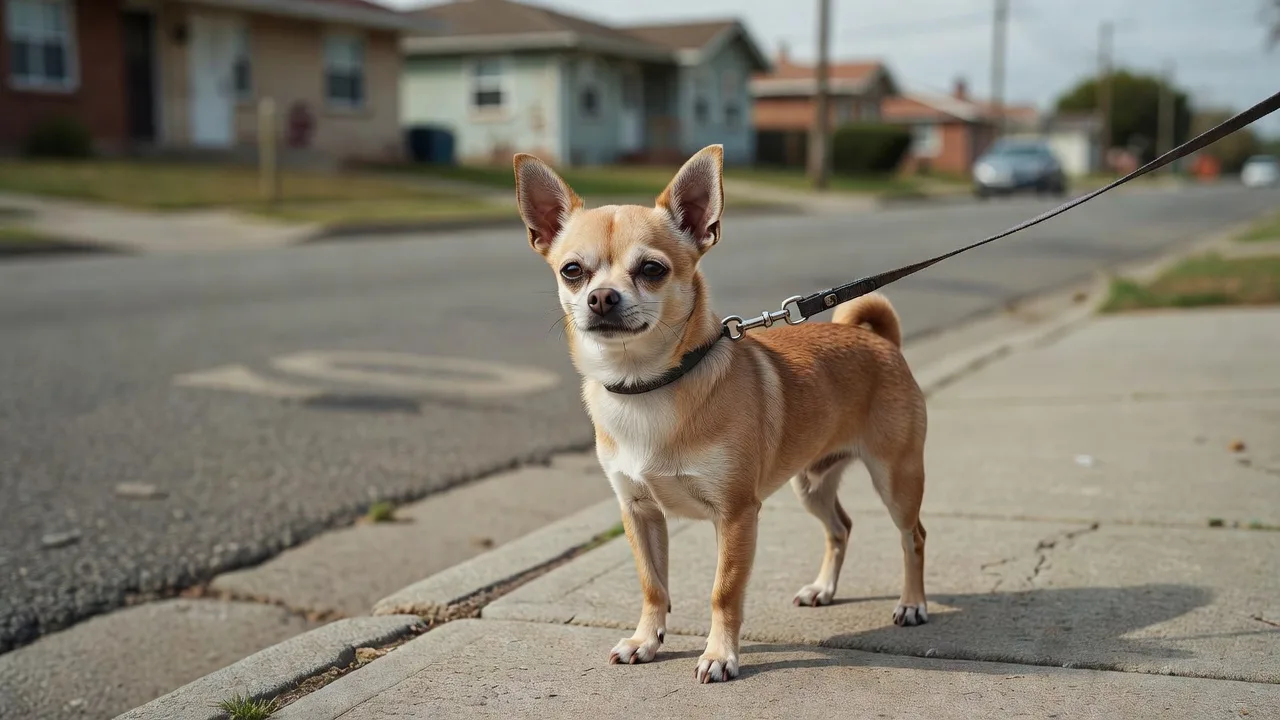
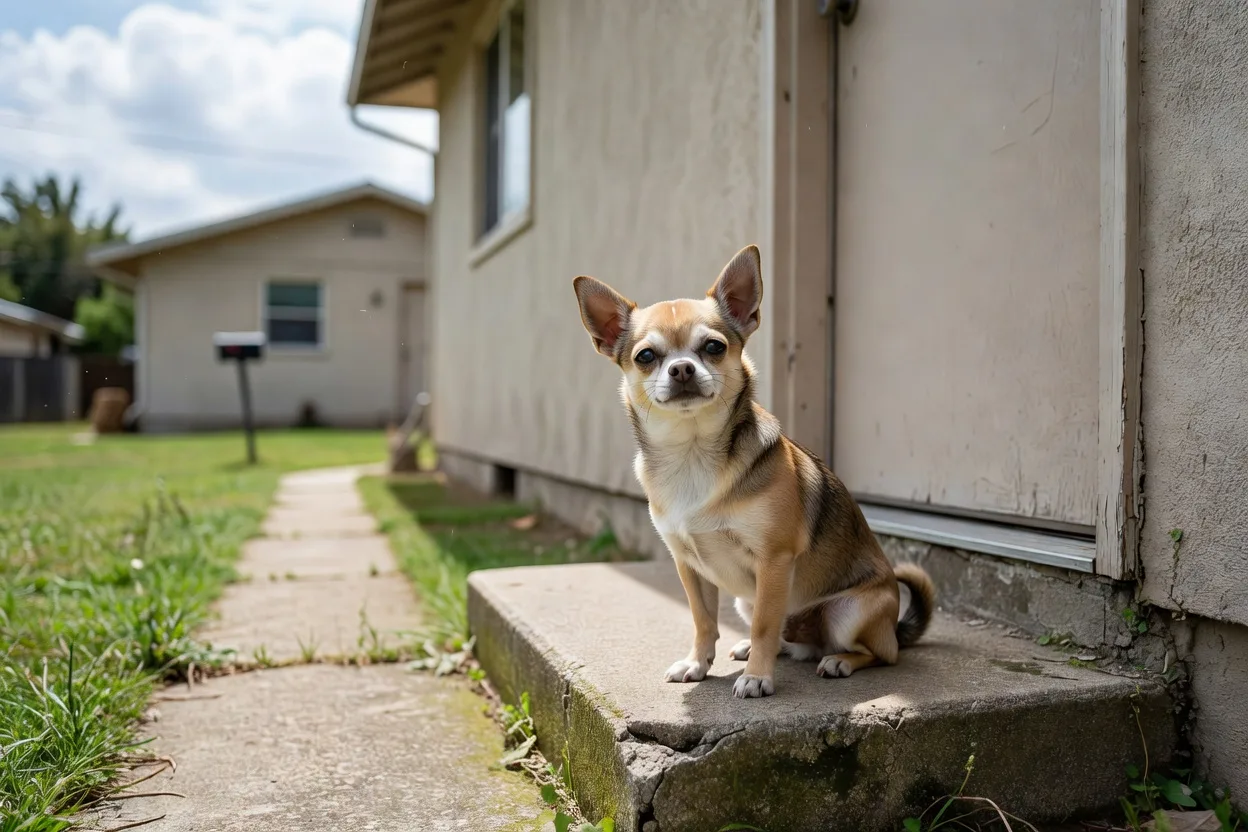
The three licensed Chihuahua photographs saved in this package are illustrations and do not show Coco. Captions must make that distinction.
Do not republish the finder's private contact details or an expired reward number. Route contemporary tips through the currently responsible agency after verifying the case remains open.
A welfare-centered update
Coco's story has a verified rescue: a passerby noticed movement, opened a path to air, and got the dog to shelter and veterinary care. Reports later showed her recovering in foster care.
It also has a verified limit: the sources reviewed here do not identify the person responsible or provide a final legal outcome.
The most useful way to honor the rescue is to teach accurate response—call for help, act without creating another victim, preserve evidence, obtain veterinary care, and report through official channels.
Readers do not need a graphic retelling to understand the severity. Coco survived because someone noticed, responded, and connected her with care.
Featured photograph: JackyM59 / Wikimedia Commons (CC BY-SA 4.0), via Wikimedia Commons. It is an illustration and does not depict the animals described in this article.




No comments yet
Leave a comment