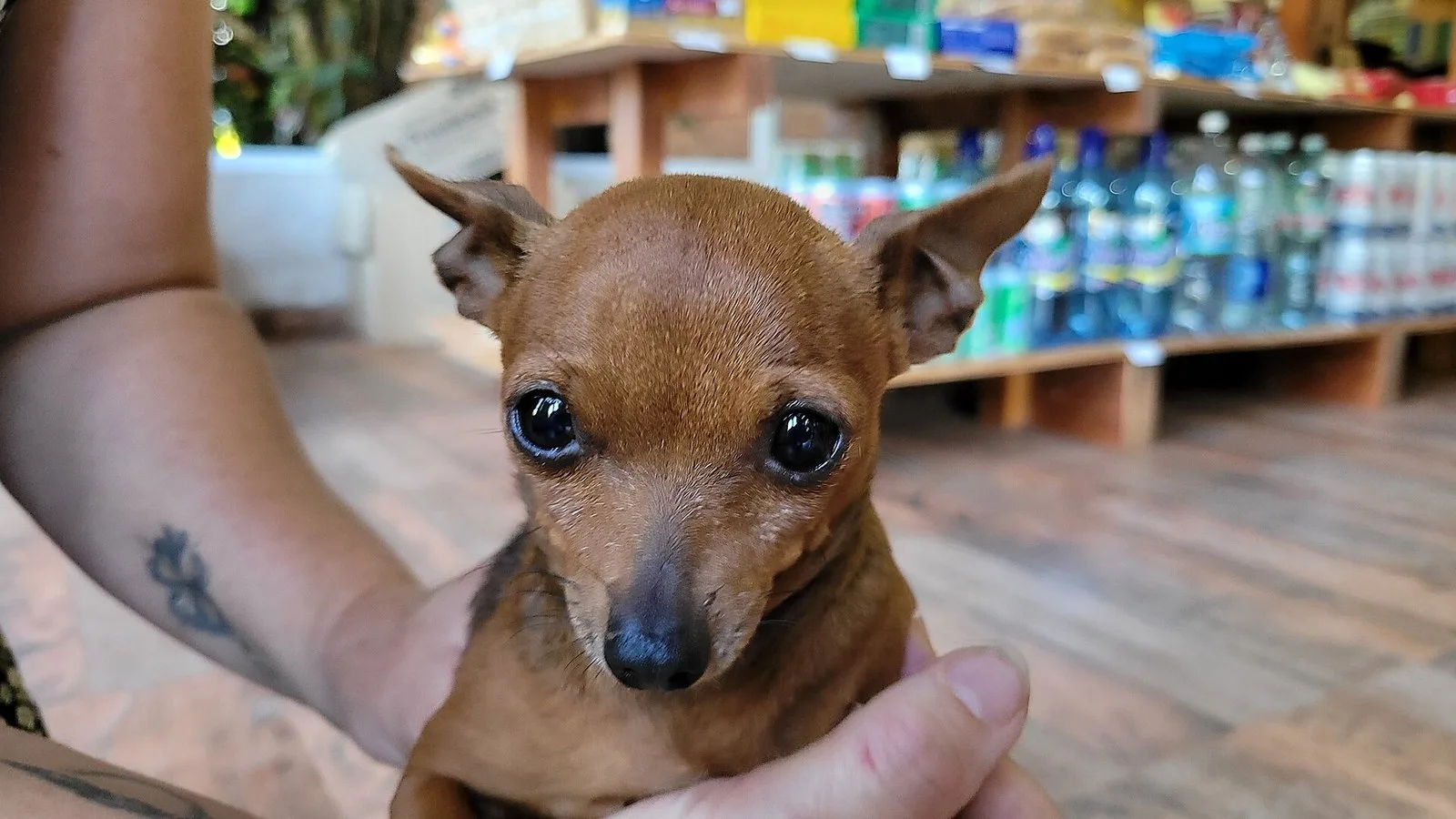
Marcy’s care for Romulus and Remus was monitored by a rescue. The heartwarming result should not encourage improvised introductions or feeding.
When two very young kittens were left at Abandoned Pet Rescue in Broward County, Florida, they needed warmth, nutrition, cleaning, and constant observation. A Chihuahua mix named Marcy was already in the rescue’s care.
CatTime reported in January 2017 that Marcy had lost the puppies she was carrying but was still producing milk. Under rescue supervision, she nursed, cleaned, and cuddled the kittens, named Romulus and Remus.
The account is heartwarming because professionals matched needs and monitored the animals. It is not permission to place an orphaned kitten beside any lactating dog.
Quick answer: No, Marcy the Chihuahua mix did not independently save two orphaned kittens. Under supervision at Abandoned Pet Rescue in Broward County, Florida, the dog that had lost her own puppies but was still producing milk nursed, cleaned, and cuddled the kittens named Romulus and Remus after they were left at the rescue’s door. Professionals matched their needs for warmth, nutrition, and observation while monitoring the animals, and the kittens were reported to be feeding and gaining weight. The account does not permit improvised cross-species introductions or feeding.
What the report said
Marcy had arrived through Broward County Animal Control. The two kittens had reportedly been left at the rescue’s door and were too young to survive independently.
Kristine Sawyers of Abandoned Pet Rescue described Marcy as readily accepting them. The article said the kittens were feeding and gaining weight.
The names Romulus and Remus referenced the Roman story of twins raised by a wolf. The rescue used that playful comparison, but Marcy was a domestic dog receiving human support, not a replacement for professional neonatal care.
No reliable current follow-up was located for the three animals. This article does not invent their later adoption or health outcomes.
Neonatal kittens need a care team
Very young kittens cannot regulate temperature well and may be unable to eat or eliminate without help. A delay can become critical.
Contact a shelter, veterinarian, or experienced neonatal foster program immediately. Describe the kittens’ approximate age, warmth, alertness, injuries, last feeding, and whether a mother cat may still be present.
Do not feed a cold kitten. Do not use cow’s milk, plant drinks, puppy formula, or a household recipe. The organization should supply or specify kitten milk replacer, feeding position, quantity, interval, and equipment.
Daily weights and written feeding and elimination records help the team detect decline early.
A surrogate dog must be assessed too
Lactation does not prove that a dog is medically well, behaviorally safe, or able to meet the kittens’ nutritional needs.
A veterinarian should assess the dog after pregnancy loss for pain, infection, retained tissue, abnormal discharge, fever, mammary inflammation, appetite change, and other complications.
The rescue also needs to observe body language. Stiffness, avoidance, fixation, guarding, rough pawing, or attempts to carry a kitten unsafely require immediate separation.
Marcy’s reported acceptance was an individual response. Breed does not guarantee maternal behavior, and a Chihuahua’s small size does not eliminate predatory or accidental injury risk.
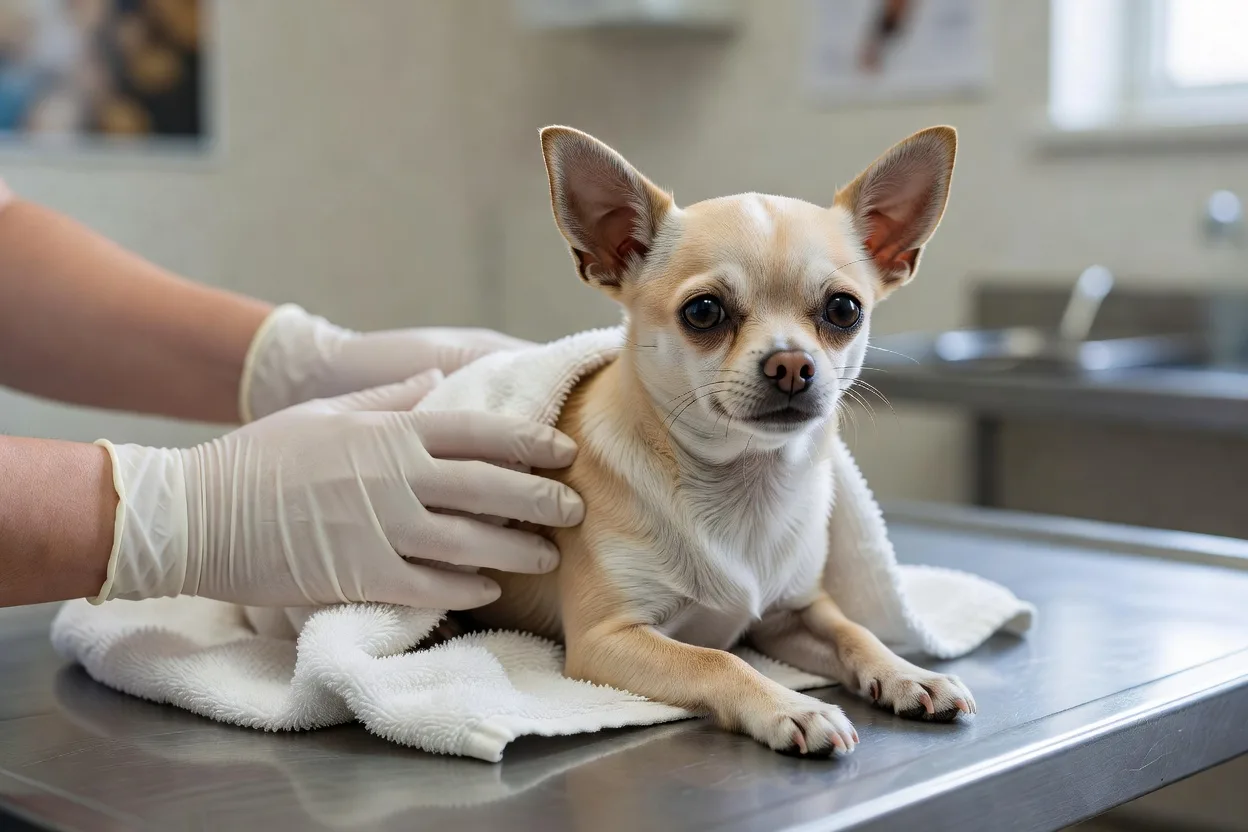
Introductions require barriers and hands-on supervision
Start only under the care team’s plan. Use a quiet, clean space with a secure kitten nest and an easy exit for the dog.
An adult should remain within reach. “Supervised” does not mean watching on a camera from another room.
Keep sessions short and verify that every kitten is warm, breathing normally, able to latch appropriately, and not being trapped beneath the dog. Rotate and supplement only as instructed.
Separate the animals when no trained caregiver is present. Provide Marcy her own rest, toileting, food, water, and attention away from the litter.
For a case where an alleged cross-species adoption could not be verified, compare Found Baby Rabbits? Keep Your Chihuahua Away.
Infection control still matters
New shelter animals may carry parasites or infectious disease without obvious signs. Current Broward County foster guidance tells fosters to have the ability to separate animals initially and attend clinic checks.
Wash hands before and after handling. Use dedicated bedding and equipment. Follow veterinary instructions for parasite treatment, vaccination, cleaning, and quarantine.
Do not apply a dog flea product to a kitten. Some ingredients and doses can be dangerous across species and ages.
Report diarrhea, vomiting, nasal or eye discharge, coughing, difficult breathing, poor nursing, weight loss, lethargy, swelling, pain, or a hot mammary gland immediately.
Weaning and adoption require another transition
Even when cross-fostering succeeds, kittens must eventually move to age-appropriate kitten food, litter skills, veterinary care, vaccination, sterilization planning, microchipping, and species-appropriate social development.
The surrogate dog also needs a plan as nursing decreases. Abrupt separation or unmanaged milk production can cause discomfort. The veterinary team should guide the transition.
Adopters need the real medical and foster record, not only a viral photograph. A kitten being raised beside a dog does not guarantee comfort with every dog. Future introductions must still be gradual and protected.
Marcy should likewise be matched based on her individual health, behavior, and household needs rather than marketed only as “the kitten mom.”
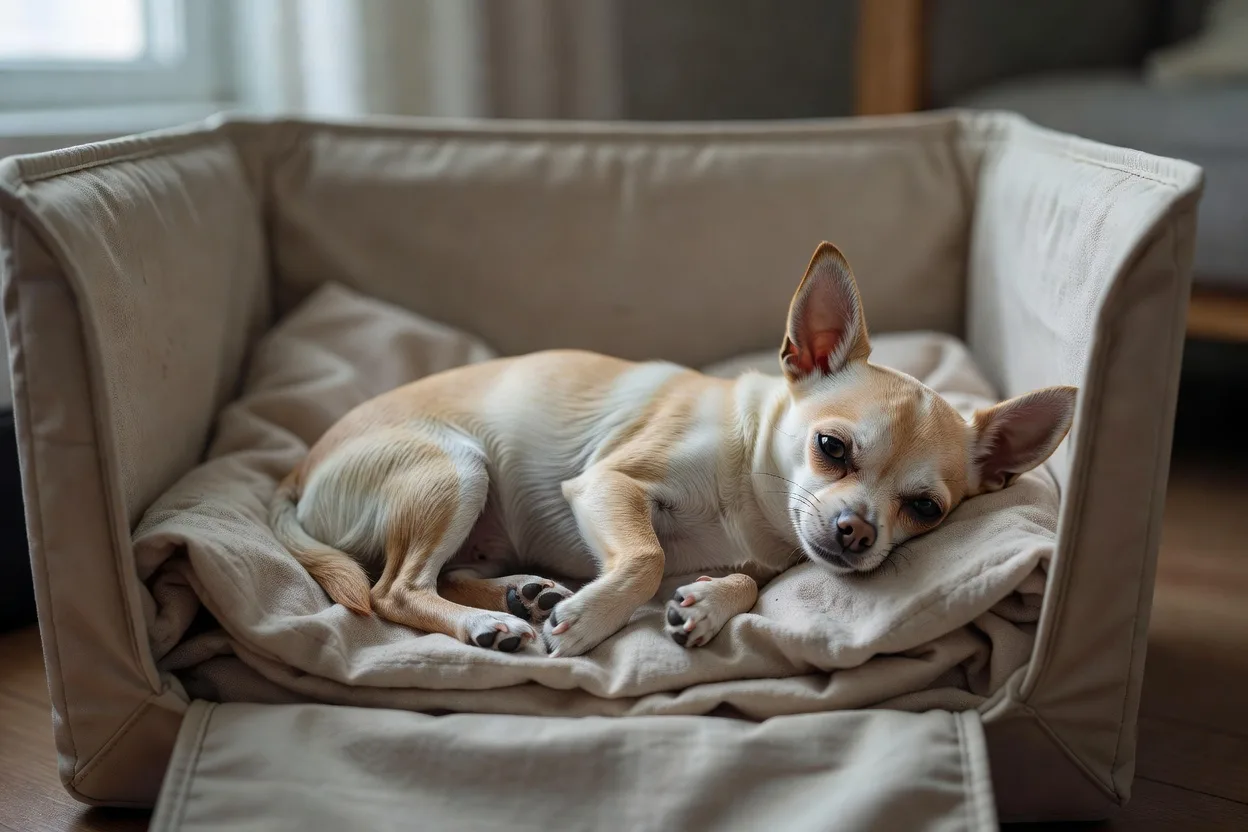
Media should show care, not create risk
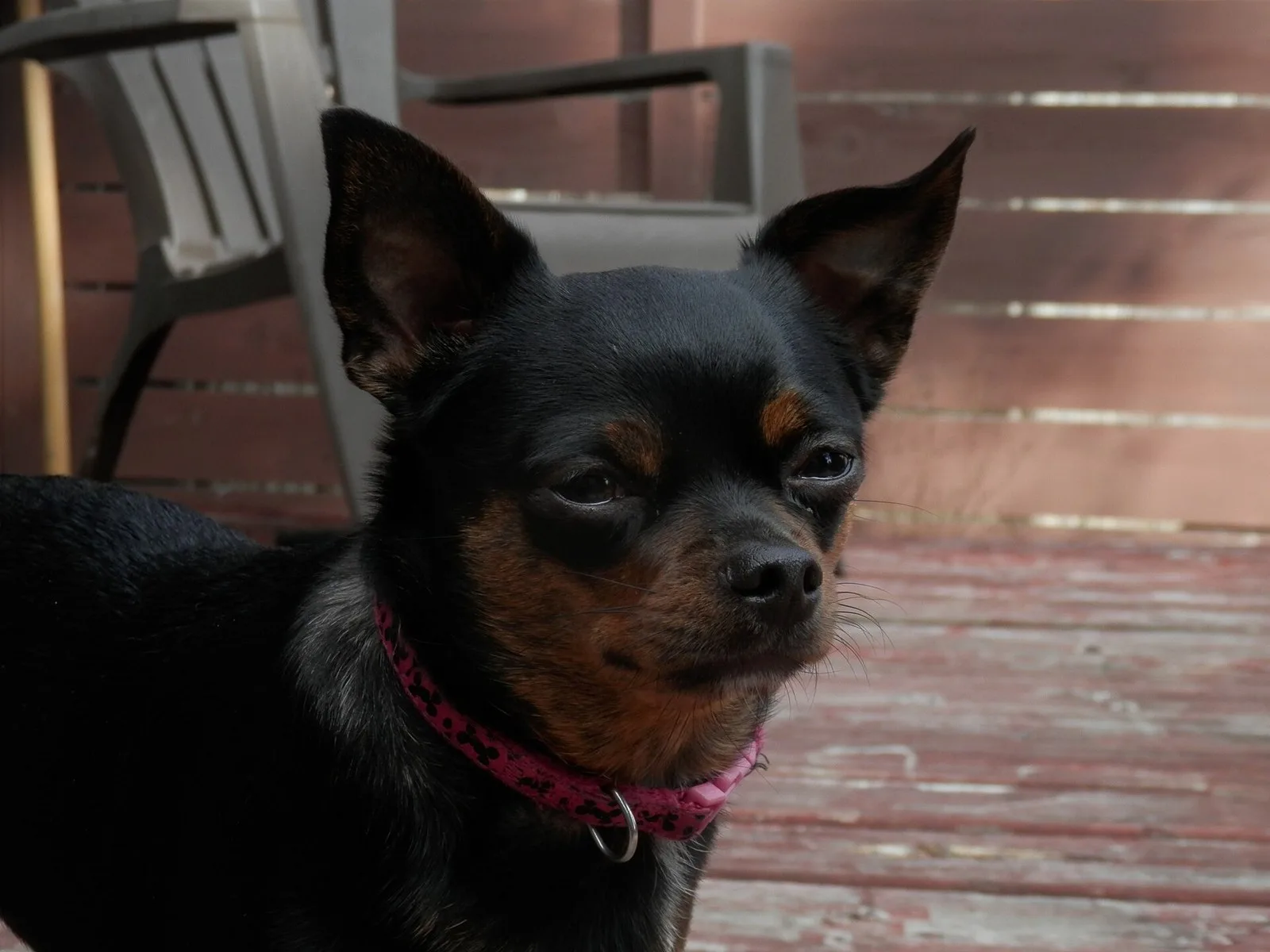
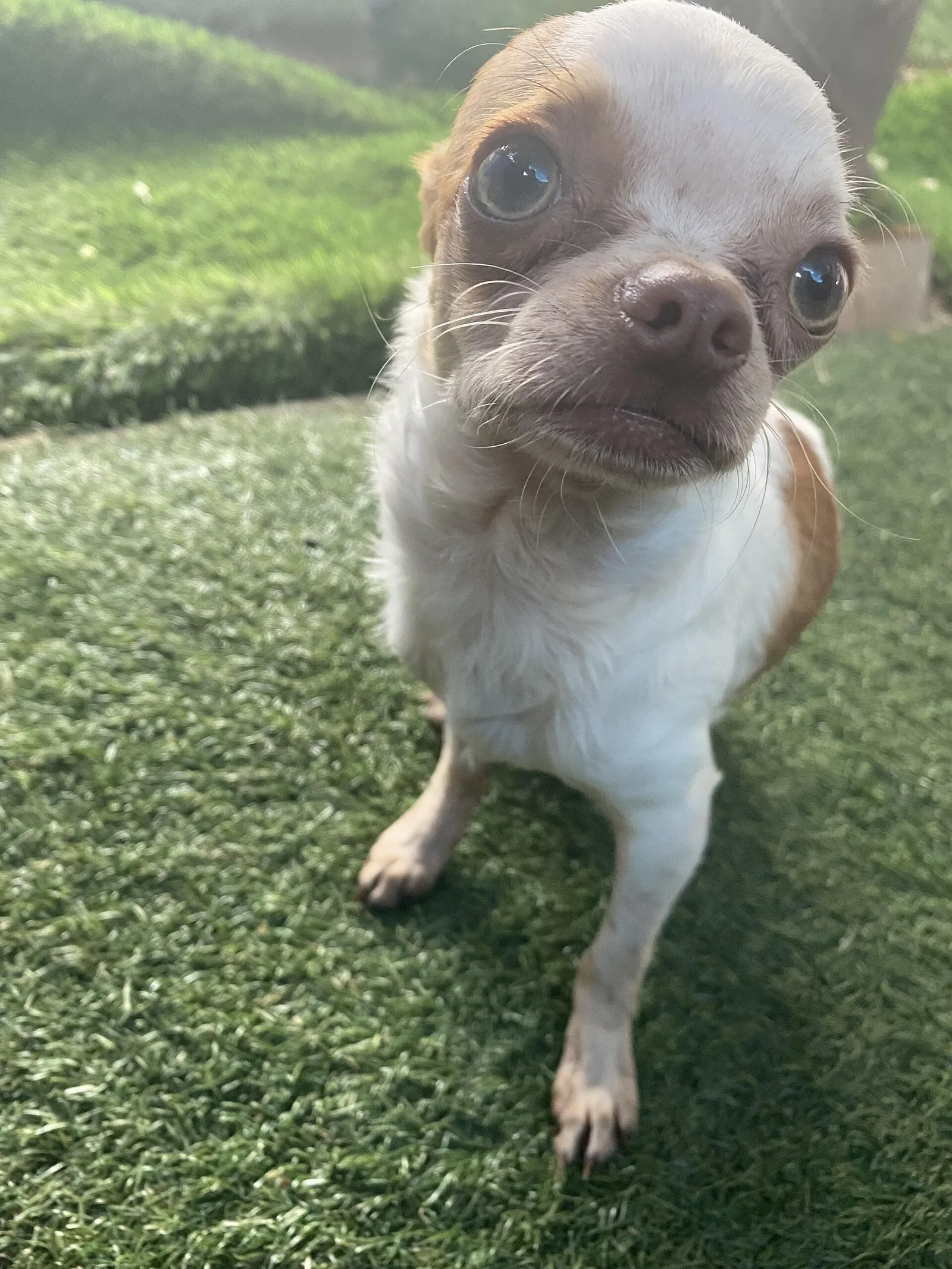
The original rescue photographs are copyrighted and remain reference-only. The licensed images in this package show generic Chihuahuas, not Marcy or the kittens.
Never delay feeding or wake neonatal animals for content. Do not stage climbing, face-to-face contact, or unsupervised cuddling to improve a photograph.
Caption the professional context: rescue oversight, veterinary care, and the limits of what one image proves. Avoid claiming that love alone kept the kittens alive.
Marcy’s contribution was meaningful. So were the people measuring, cleaning, monitoring, and deciding when intervention was needed.
The responsible version of the story keeps all of them in the frame.
Featured photograph: Horacio Cambeiro / Wikimedia Commons (CC BY 4.0), via Wikimedia Commons. It is an illustration and does not depict the animals described in this article.

No comments yet
Leave a comment