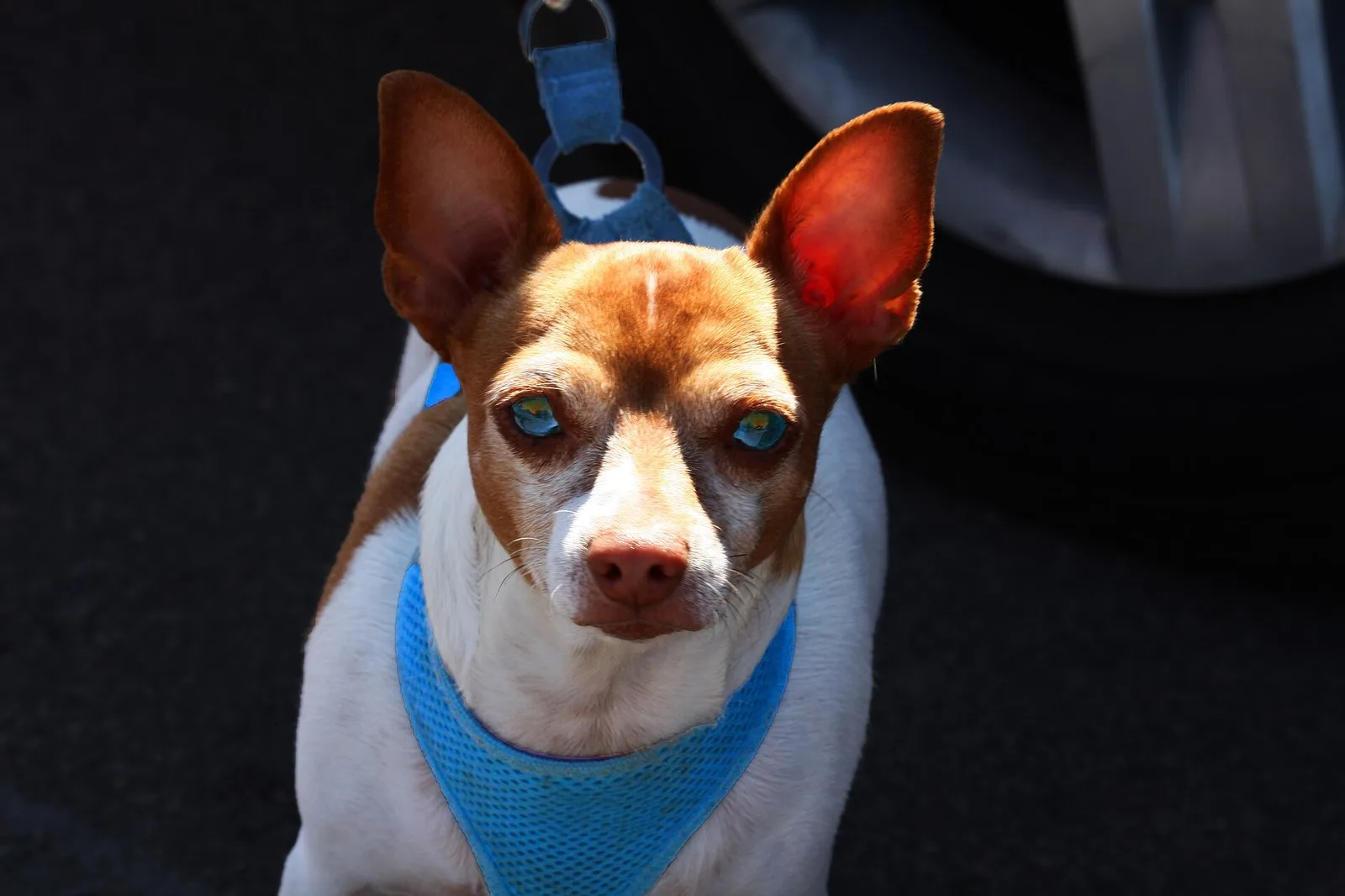
Nacho weighed less than a pound when he was found beside a garbage area in Cutler Bay. His recovery required emergency veterinary care, not viral speculation.
On January 24, 2019, a three-month-old Chihuahua was found in a crate near a garbage area at a bus station in Cutler Bay, Florida. WSVN reported that he had no food or water and weighed less than one pound.
Miami-Dade Animal Services named him Nacho. Chief veterinarian Dr. Maria Serrano described severe dehydration, anemia, and emaciation. He received three blood transfusions, gained about two and a half pounds, and was later adopted by a local family.
The survival is documented. The person responsible and the motive are not.
Quick answer: No, Nacho the Chihuahua did not survive severe neglect through viral speculation or improvised care. The three-month-old dog was found on January 24, 2019, in a crate beside a garbage area at a bus station in Cutler Bay, Florida, weighing less than one pound with no food or water. Miami-Dade Animal Services and chief veterinarian Dr. Maria Serrano documented severe dehydration, anemia, and emaciation that required three blood transfusions. He gained about two and a half pounds, received professional treatment, and was later adopted by a local family.
What rescuers knew at intake
Nacho’s location, crate, age estimate, tiny weight, and visible condition established an urgent welfare concern. A veterinary team still needed to determine what those observations meant medically.
Dehydration, anemia, and emaciation can affect circulation, temperature, blood sugar, organ function, breathing, and the ability to tolerate food or medication. A critically underweight puppy may be harmed by an improvised large meal.
WSVN’s report attributes the diagnoses and transfusion count to the professionals treating Nacho. It does not provide a full case record, laboratory values, precise breed proof, or a public criminal finding.
The article therefore does not diagnose beyond those attributed terms or state that a named person abandoned him.
A finder’s first job is safety
If an animal is confined beside trash, traffic, extreme weather, or another immediate hazard, call local animal services or emergency authorities. Give the exact location, animal description, container, visible condition, and any active danger.
Do not confront a suspected person. Do not trespass, threaten, or create a scene that could place the animal, witnesses, or evidence at greater risk.
Follow dispatcher instructions about moving the animal. A frightened, painful, or weak Chihuahua may bite or collapse during handling. Use gloves and a ventilated carrier when safe, keep the body supported, and separate the dog from pets and children.
If the animal is not in immediate danger from the location, authorities may want the scene preserved until they arrive.
Document without turning suffering into content
From a safe and lawful position, note the time, address, weather, container, access to food and water, visible injuries, and vehicle or person descriptions. Take photographs only when doing so does not delay help or violate instructions.
Keep original files with their metadata. Do not edit, add dramatic filters, or post identifying accusations online. Send evidence to the responsible agency and retain a copy of the report number.
An image can help an investigation. It can also expose a location, invite harassment, or be reused for fraudulent fundraising. Public sharing should wait until authorities or the responsible shelter provide verified information.
Never stage or reposition an animal to make the scene more compelling.
Do not feed or medicate a critical puppy
A starving-looking dog inspires immediate feeding, but the safe amount, composition, route, and timing depend on the animal’s condition. A veterinary team may need to correct temperature, glucose, fluids, electrolytes, anemia, or nausea first.
Do not force water or food into the mouth. Aspiration can send material into the lungs. Do not give cow’s milk, sports drinks, supplements, dewormers, flea products, antibiotics, or human medicine unless a veterinarian directly instructs it.
Keep the Chihuahua comfortably warm without placing the animal on a hot surface. Quiet transport and rapid professional assessment are more useful than home remedies.
Nacho’s three reported transfusions show the intensity of his case. Blood products require veterinary matching, monitoring, equipment, and response to complications.
Recovery is more than weight gain
The reported gain of about two and a half pounds was encouraging. It was not the only measure that mattered.
A recovering puppy may need repeat blood work, parasite treatment, vaccination planning, controlled nutrition, dental and skin assessment, gradual activity, social support, and monitoring for developmental effects.
Foster or adoptive caregivers should receive written instructions and know the signs that require emergency care: collapse, pale gums, breathing difficulty, seizures, repeated vomiting, bloody stool, inability to eat, marked weakness, or rapid decline.
They should also give the dog privacy. A rescue does not owe followers daily images of every procedure or setback.
Report through the current local route
Miami-Dade County maintains official pathways for reporting animal problems, and the Town of Cutler Bay links residents to animal services. Contacts and jurisdiction can change, so use the current government page rather than relying on a phone number copied from an old social post.
Elsewhere, contact local animal control, police, or a humane-law-enforcement agency. The ASPCA advises recording factual observations and reporting them to the appropriate authority.
If one agency says the location belongs to another jurisdiction, ask where to send the evidence and record the transfer. In an immediate life-threatening situation, call emergency services.
For a different rescue where uncertainty remained about individual medical outcomes, read Renton Rescued 24 Chihuahuas During an Eviction.
Publish the recovery without exploiting it
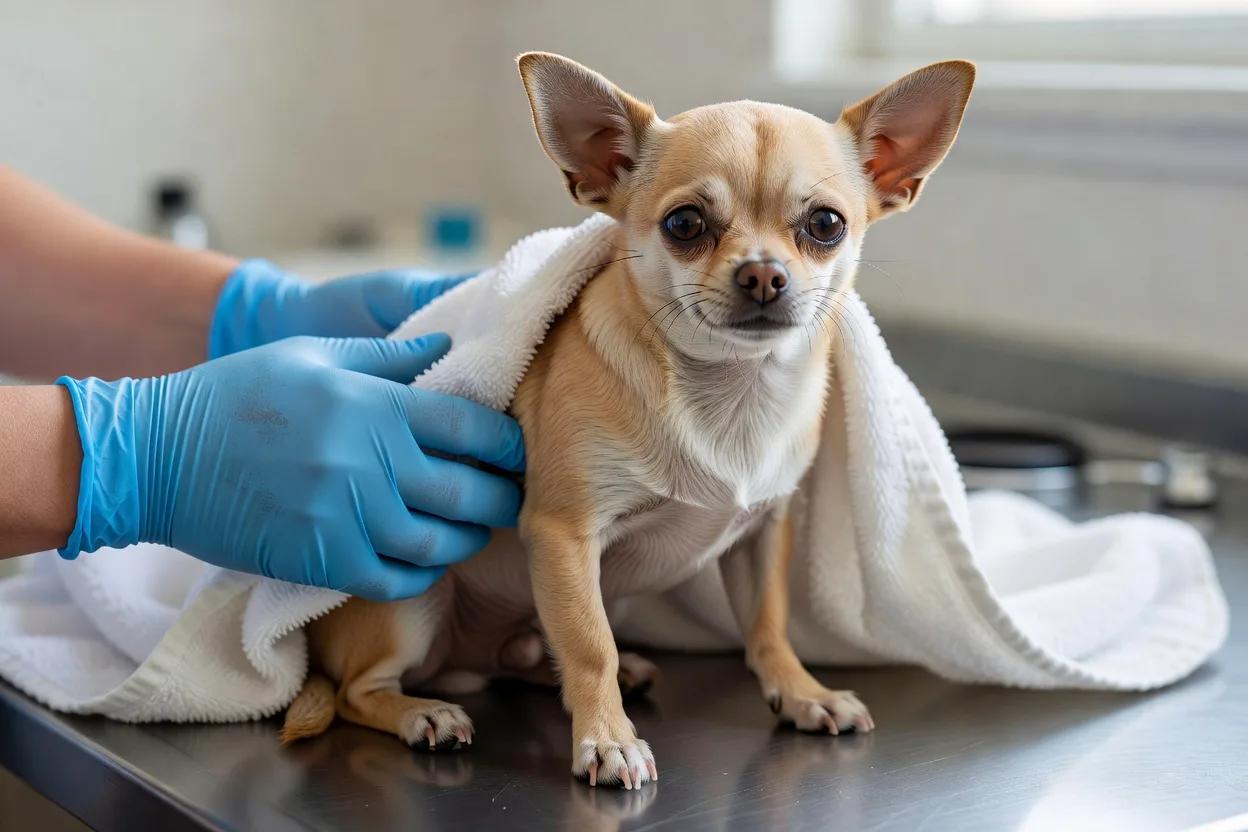
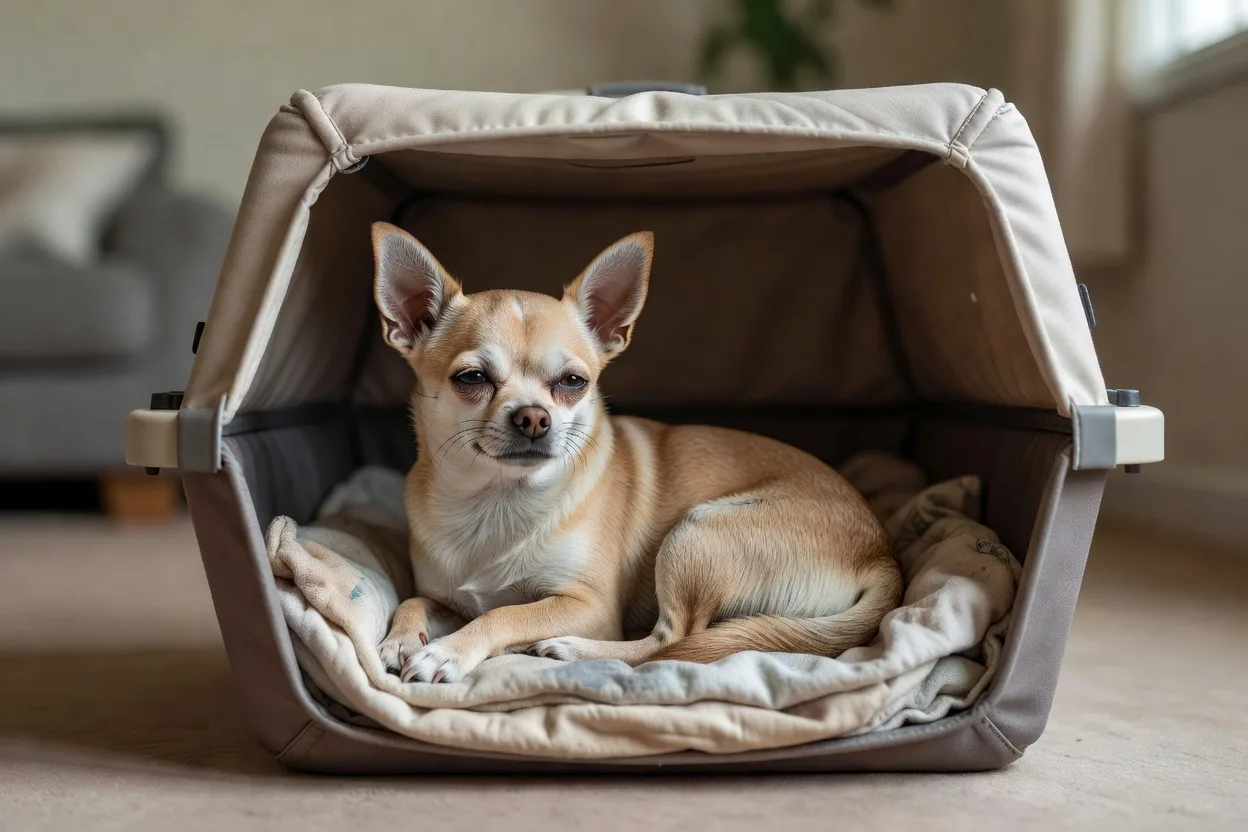
The WSVN and shelter media is copyrighted and remains reference-only. The licensed Chihuahua photographs in this package are illustrations and do not show Nacho.
Use non-graphic images when they can communicate the story. Avoid sensational descriptions, close-ups of suffering used as click bait, and a headline that promises punishment not established by a court.
Credit the veterinary team and agency for attributed facts. Update the outcome when the shelter confirms adoption, and correct earlier estimates when records change.
Nacho’s story has a hopeful end because a finder alerted professionals and a medical team carried out intensive care. The useful response to that ending is not to imagine who left him there. It is to know how to recognize danger, preserve facts, report quickly, and let qualified people treat the animal in front of them.
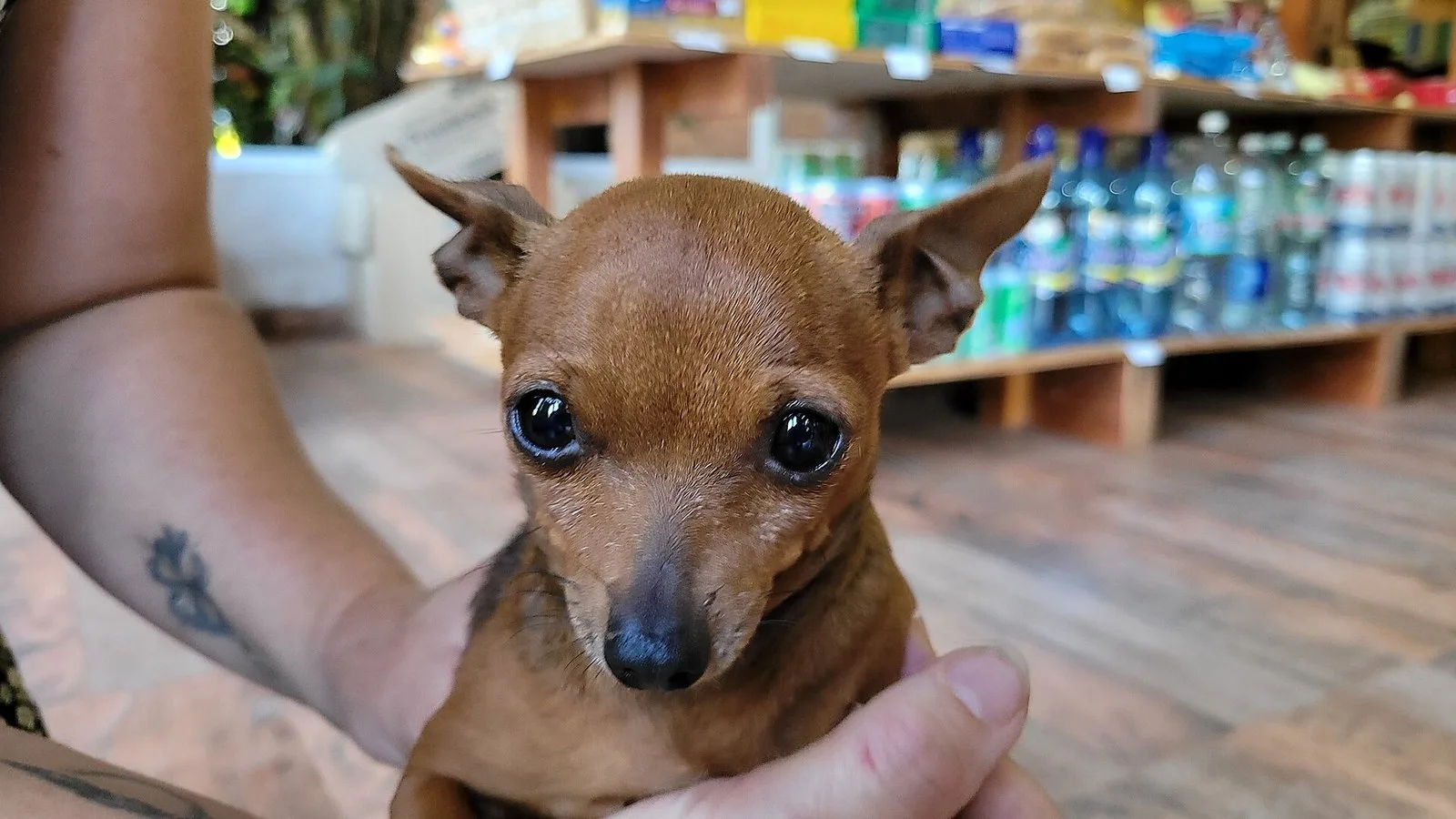
Featured photograph: Rennett Stowe from USA / Wikimedia Commons (CC BY 2.0), via Wikimedia Commons. It is an illustration and does not depict the animals described in this article.


No comments yet
Leave a comment