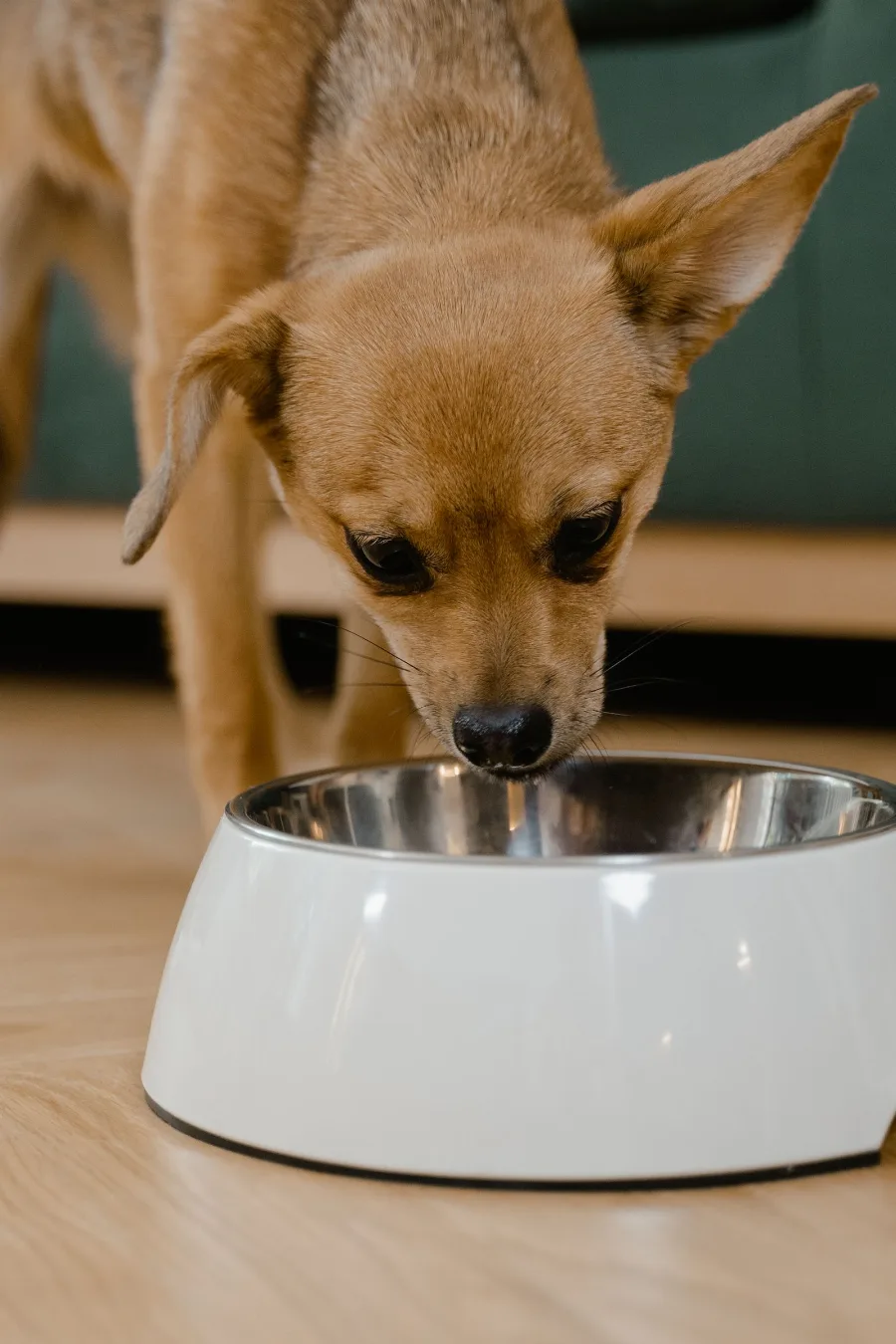
Hiccups in a chihuahua are usually exactly what they look like: a small, rhythmic, faintly comic spasm that arrives unannounced and leaves within minutes. The diaphragm, the sheet of muscle beneath the lungs that drives every breath, contracts out of turn, and the glottis, the opening between the vocal cords, snaps shut against the incoming air. The sound is that closure, not the muscle. It does not hurt, and a hiccuping dog is usually bright and faintly baffled by herself.
So the short answer is reassuring, with one condition attached. Chihuahuas produce a rich catalogue of small chest and throat noises, and at least two get filed under "hiccups" by owners describing something else. The skill worth having is not stopping a hiccup. It is recognizing one, separating it from its lookalikes, and knowing when rhythmic spasms stop being trivia.
Quick answer: Hiccups in a chihuahua are usually exactly what they look like: a rhythmic, faintly comic spasm of the diaphragm that arrives unannounced and passes within minutes, with no evidence that it hurts. Puppies hiccup more and most grow out of it. The two look-alikes worth separating are reverse sneezing, a fit of snorting inhales, and a genuine cough. Continuous hiccuping beyond a few hours is the point to seek advice, and laboured breathing or pale gums is an emergency.
Why puppies hiccup more, and what sets it off
If your hiccuping chihuahua is still a puppy, you are watching ordinary development. Hiccups are far more common in young dogs than in adults, and the American Kennel Club's guide to hiccups in dogs notes one appealing theory for why: the reflex may be a holdover from life before birth, when mammal fetuses use hiccup-like contractions to rehearse the breathing muscles they will need later. Puppies also hiccup in their sleep, which is alarming the first time and unremarkable by the tenth.
The everyday triggers are mundane. Eating or drinking too fast leads the list, because a dog inhaling kibble swallows a good deal of air with it. Excitement and tiredness both qualify, and so does being cold, which earns a mention in a breed that sheds heat quickly and often needs help holding a comfortable ambient temperature. Episodes usually settle on their own, without anyone doing anything clever.
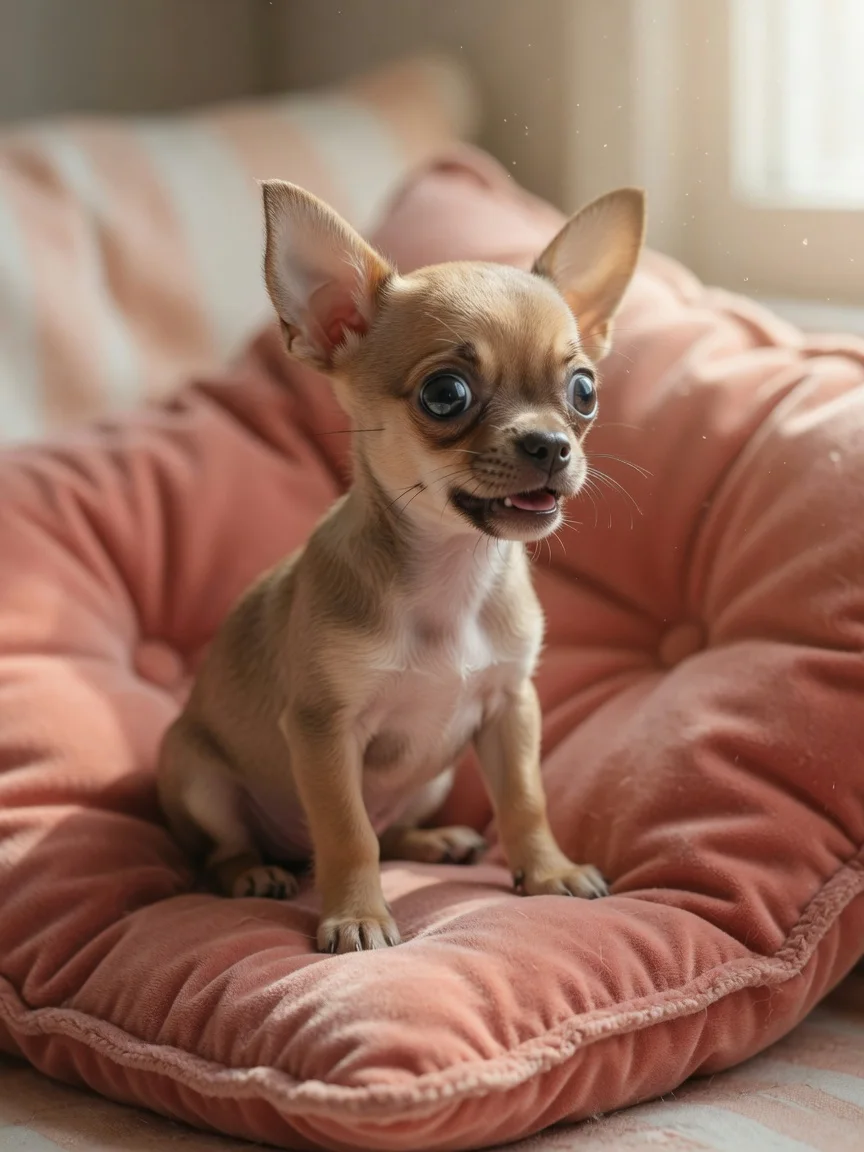
Three noises chihuahua owners mistake for hiccups
Reverse sneezing. The most common mix-up by a wide margin. A reverse sneeze is a burst of rapid, forceful inhalations through the nose, performed by a dog standing rigidly still with her neck extended, making a snorting sound that suggests something is stuck. Cornell's Riney Canine Health Center describes episodes running from a few seconds to a few minutes and notes they occur more often in dogs under about 15 kg, a category containing every chihuahua ever born. The prognosis is excellent, and our reverse sneezing guide covers the rest.
A honking cough. The one noise here that should move you toward the phone. VCA's tracheal collapse guide describes the classic sign as a dry, harsh cough compared to a goose honk, and names chihuahuas first among the predisposed toy breeds. It tends to appear with excitement, in heat and humidity, after eating or drinking, and under collar pressure. The distinction is audible: hiccups are quiet, evenly spaced, and effortless, while a collapsing trachea coughs in ragged bursts from the windpipe. Anything in that family belongs with our coughing explainer.
Gagging or retching. Hiccups involve no visible effort. A dog heaving repeatedly, stretching her neck forward and producing nothing, is doing something quite different, and repeated unproductive retching is on every emergency list there is.
When rhythmic spasms deserve a second look
Hiccups become a medical question in three situations: when they run on too long, when they change character, and when the dog is not herself in other ways. The AKC guidance puts the practical threshold at more than a few hours of continuous hiccuping, or hiccups that shift into wheezing or interfere with normal breathing. Prolonged hiccuping is not a diagnosis in itself. It is a prompt to look for whatever might be irritating the diaphragm or the airway above it.
Your veterinarian is not really treating the hiccup in that appointment. The work is an examination: listening to the chest, checking the airway, asking what the dog has eaten and whether anything unusual was swallowed. Bring a phone video if you can get one safely, since these episodes stop reliably in waiting rooms. If breathing itself looks like part of the picture, our breathing problems guide covers what a workup involves.
What helps, and what to skip
Most hiccups need nothing at all. If you want to do something useful while a spell passes, the AKC's suggestions are the sensible ones: encourage her to lie down, rub the chest or belly gently to settle irregular breathing, and offer a little water so swallowing interrupts the rhythm. Prevention beats all of it. A slow-feeder bowl, smaller portions served more often, and a calm few minutes before meals address the most common trigger, and fit inside a normal chihuahua feeding routine.
Skip the human folklore. Do not deliberately startle a dog, do not hold her muzzle shut, and do not pour water into her mouth, which risks aspiration for no benefit. Do not give any human medication for hiccups. Nothing in a household medicine cabinet suits a four-pound dog with a twitching diaphragm, and a case severe enough to tempt you toward medicating warrants a phone call instead.
When to call your veterinarian
Emergency care now: labored or noisy breathing that does not settle, blue, gray, or very pale gums, collapse, or repeated unproductive retching with a swollen abdomen. Same-day call: hiccup-like spasms continuing beyond a few hours, spasms that turn into wheezing, or hiccups in a dog who is also vomiting, coughing, off her food, or unusually flat. Routine appointment: hiccups recurring in a predictable pattern, or any honking cough in an adult chihuahua. Monitor at home: the brief post-dinner episode in a bright, comfortable dog.
Frequently asked questions
Are hiccups painful for a chihuahua?
There is no evidence that they hurt. Dogs mid-hiccup generally carry on with whatever they were doing, and the reflex passes without aftereffects. Distress, rigidity, or a dog who seems frightened by the sensation suggests you are watching something other than a hiccup.
How long should chihuahua hiccups last?
Minutes, typically, and then nothing. Veterinary guidance treats continuous hiccuping beyond a few hours as the point to seek advice, along with any hiccup that develops a wheeze or disturbs normal breathing.
How do I tell a hiccup from a reverse sneeze?
Listen to the direction and the effort. A hiccup is a single quiet catch repeating at even intervals while the dog stands or lies normally. A reverse sneeze is a rapid run of loud, forceful snorting inhalations, usually with the neck stretched out and the whole body braced, and it ends as abruptly as it began.
Do puppies grow out of hiccups?
Most do. Hiccups become less frequent as a puppy matures and often disappear in adulthood, which is why a chihuahua hiccuping for the first time at eight years old is a more interesting case than one who has done it since puppyhood.
Hiccups are one of the few things a chihuahua does that require no plan. Watch one through, note whether the rhythm is even and the dog is comfortable, and let it resolve. Save your attention for the two sounds that reward it, the snorting inhale and the honking cough, because knowing which of the three you are hearing is the whole skill here.

No comments yet
Leave a comment