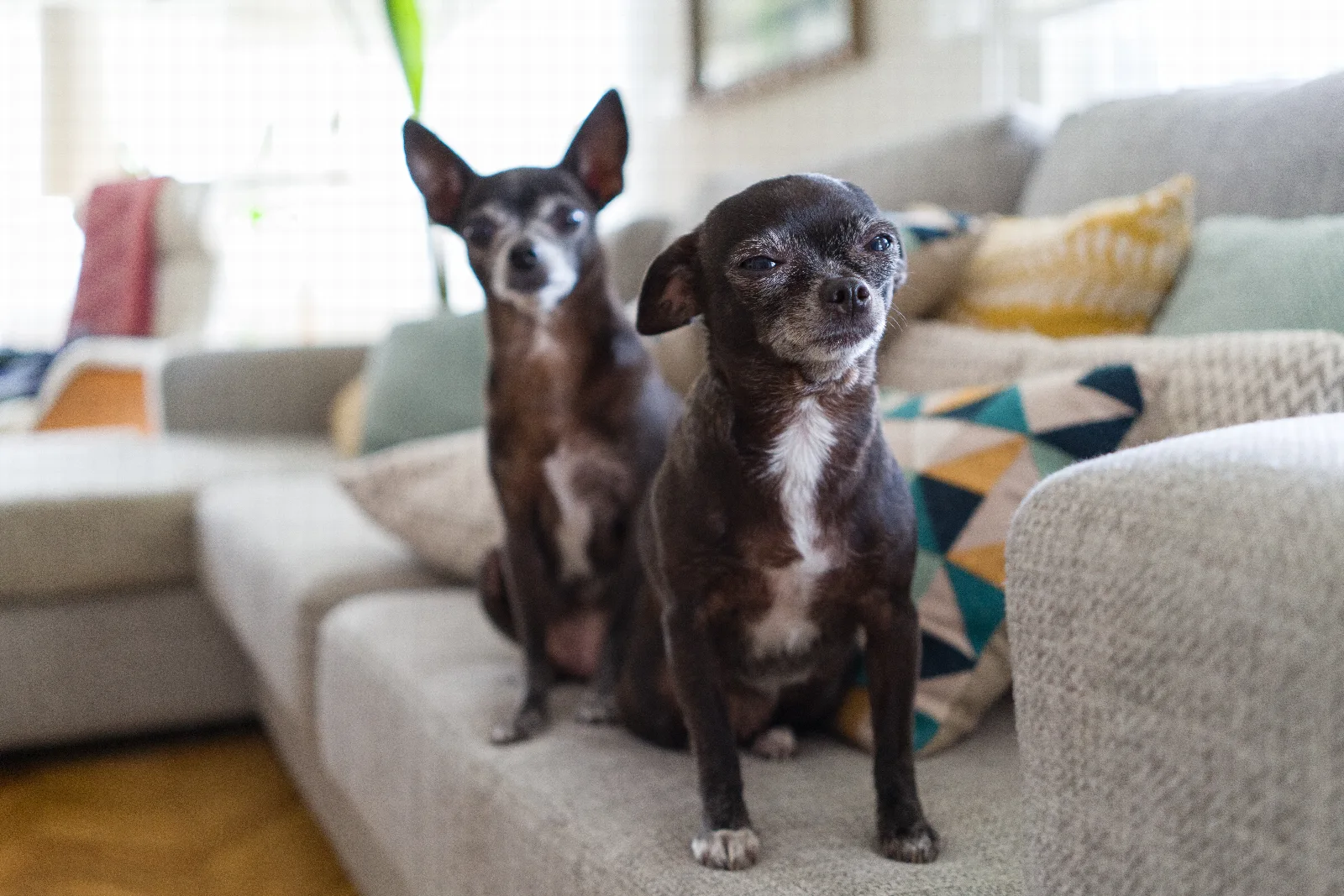
How can I make my chihuahua love me is the question, and the honest answer starts by editing it: you cannot make a dog love you, and you never need to. You build the conditions, prediction, shared work, and respected choices, and attachment does what attachment does. The good news for the impatient: the conditions are three daily habits, none takes more than minutes, and the breed on the other end is one of the most attachment-ready animals ever produced.
Quick answer: You cannot make a dog love you, and you never need to: you build the conditions and attachment does the rest. Trust is prediction that pays off, so meals at reliable times, walks on a rhythm, a bedtime routine, and cues that always mean the same thing do more than any quantity of hugging. Puppies attach within weeks; rescues run the three days, three weeks, three months arc. Hold and hug at her consent settings, and remember one bad moment does not undo a trustworthy pattern.
Habit one: become the most predictable thing in her world
Trust, mechanically, is prediction that pays off. Meals at reliable times, walks on a rhythm, a bedtime routine, cues that always mean the same thing, and a human whose moods do not change the rules: that consistency is bonding infrastructure, more than any quantity of hugging. It is also why the fastest bond-builder in dog ownership is the humble hand-fed meal ritual, a portion of dinner delivered piece by piece for easy behaviors, and why chaos-household dogs cling harder and trust less. Predictability is love, translated into dog, a theme running through the ASPCA's behavior resources under less romantic headings.

Habit two: do things together, not just near each other
Proximity is pleasant; teamwork is glue. Five minutes of the lure-and-reward training from our first-cues guide is a shared job with wages and eye contact, which is why trained dogs are more bonded, not more mechanical, per the reward-based framework in the AVSAB position statements. The sniffy walk from the leash guide is an expedition with you as expedition partner.
Food puzzles solved on your lap, a new trick a month, the game where she finds treats you hid: all of it files you under we do things together, which is the strongest folder a dog keeps. For the breed built to study one person all day, being given actual employment is close to romance.
Habit three: respect the small body's votes
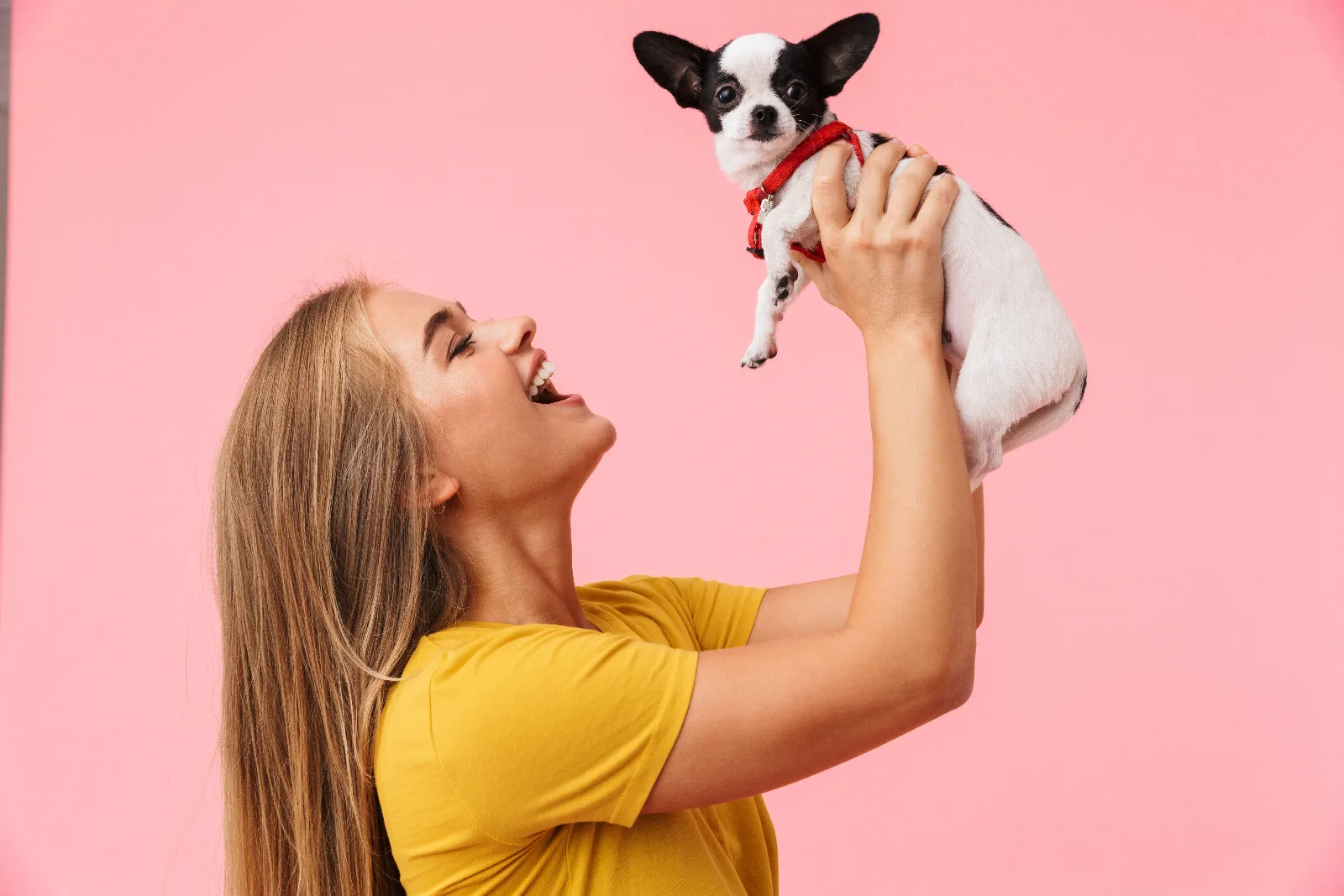
Nothing builds trust like discovering your signals work. The consent systems from our love-signals guide, pick-ups by invitation, kisses only for dogs who lean in, retreat always allowed, teach her that opting out is safe, which paradoxically produces a dog who opts in constantly. The same rule covers the growl, per the biting guide: warnings that get respected build a dog who trusts you with her worries. Forced cuddles, pursued laps, and cornered affection build the opposite, one small withdrawal at a time.
Timelines: the new dog and the bruised bond
New puppy or rescue: real bonds take weeks to months, and rescues run on the rough 3-3-3 rhythm, three days of decompression, three weeks of learning the routine, three months of becoming herself, the arc our adoption guide walks through. Run the three habits from day one, keep expectations at hello-we-are-safe rather than instant devotion, and let the timeline be hers.
After a scare or a mistake: stepped on her, a nail trim went badly, you lost your temper at the shredded couch? Bonds bruise and repair. The repair is not apology theater; it is a return to predictability plus a short run of easy wins, extra hand-fed meals, favorite games, zero pressure, and, where a specific event scared her, the gentle desensitization from the fearful-dog guide. Dogs forgive fast when the pattern goes back to trustworthy; what they cannot metabolize is unpredictability that continues.
One boundary note, because devotion has a failure mode: a bond so exclusive that she panics without you is not deeper love, it is the dependence our separation anxiety guide treats. Healthy attachment includes the skill of being okay alone, and building it is a kindness, not a betrayal.
When to call your veterinarian
Same-day call: a dog who suddenly avoids touch, hides from the household, or stiffens when approached, since pain routinely debuts as social withdrawal. Routine appointment: a rescue whose fearfulness is not budging after patient months, to rule out contributors and discuss referrals. Just keep living: the three habits, the shared jobs, and the respected votes, which is the entire secret, practiced daily.
Frequently asked questions
How long does it take to bond with a chihuahua?
Puppies attach within weeks; rescues run the 3-3-3 arc, days to decompress, weeks to learn the routine, months to fully unpack. The habits accelerate everything; pressure decelerates it. Judge progress by her ease around you, not by cuddle quotas.
My chihuahua prefers my partner. How do I become her person too?
Take over the good-things portfolio for a while, meals, walks, training, play, and let the current favorite go pleasantly boring. Attachment follows employment and paychecks; a few weeks of running the fun usually diversifies the vote, the same economics as our jealousy guide run in reverse.
Did I ruin the bond by yelling or stepping on her?
One bad moment does not undo a trustworthy pattern; dogs read baselines, not incidents. Return to predictability, bank some easy wins, keep greetings soft for a few days, and she will re-file you quickly. What erodes bonds is chronic unpredictability, not the accident you already feel terrible about.
Does hugging and holding her more build the bond?
Only at her consent settings: dogs who lean in are banking closeness, dogs who tolerate are quietly spending it. Invitation-based holding, plus shared jobs and reliable routines, outbuilds any amount of imposed affection, and produces the dog who asks for the lap herself, which was the goal all along.
The bond is not a project with a finish line; it is the accumulated residue of being predictable, being a teammate, and being safe to say no to. Run those three habits for a month and the question stops being does she love me and becomes the breed's usual one: how did four pounds end up running the whole house.


No comments yet
Leave a comment