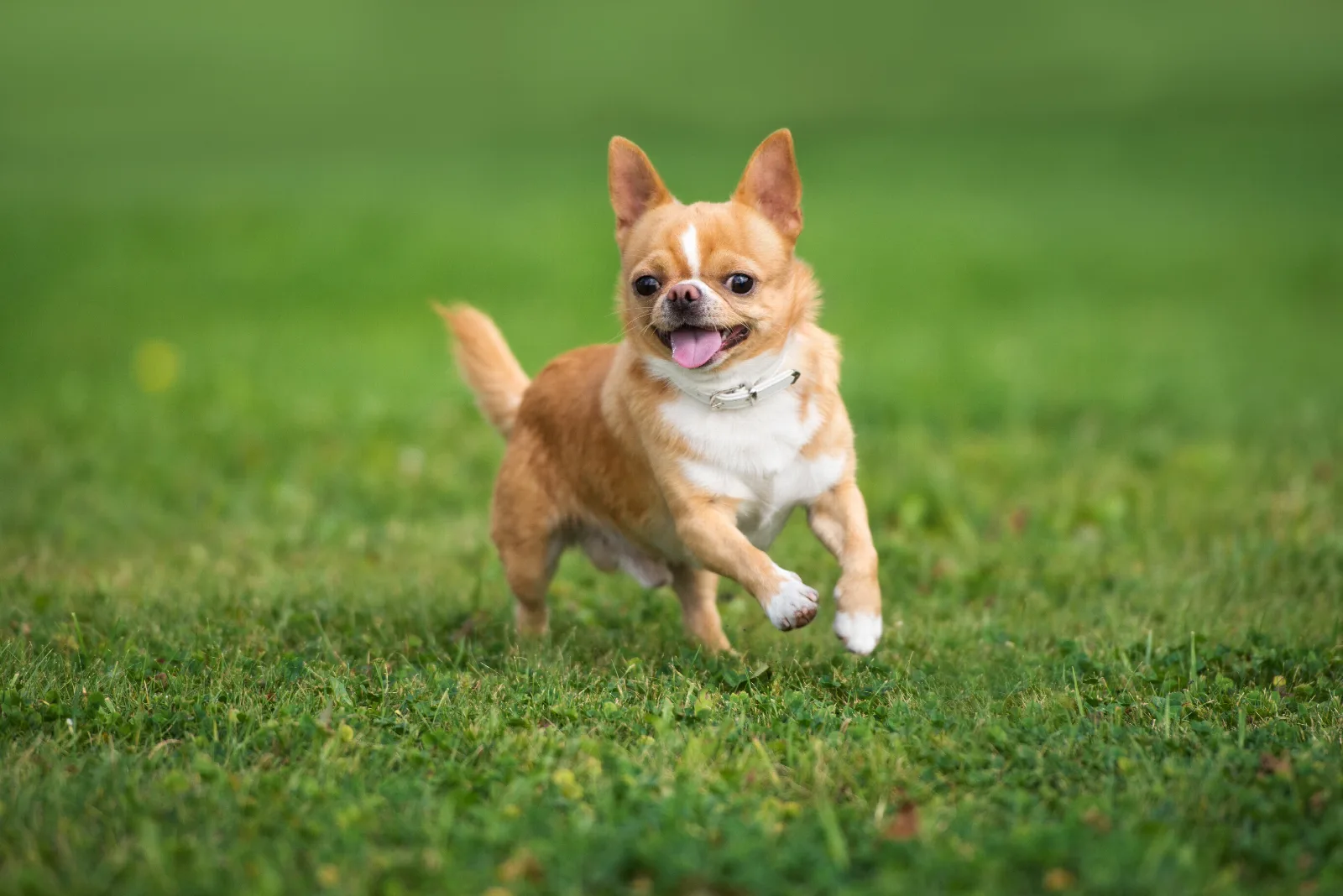
Two of the country's best-documented chihuahua races landed on the same Saturday in 2026. On May 2, more than 150 chihuahuas ran heats on a sixty-foot track at District Pier in Washington, D.C., at the Running of the Chihuahuas, an event the Wharf bills as its fifteenth annual.
The same afternoon in Denver, chihuahua races were scheduled for 1 p.m. at the city's Cinco de Mayo festival, according to the festival's official contest listing. Neither is a serious athletic competition. Both are fundraisers with a large audience attached, and for owners considering an entry, the useful details are practical rather than sentimental.
Quick answer: Two of the country's best-documented chihuahua races landed on the same Saturday in 2026: more than 150 dogs ran heats on a sixty-foot track at District Pier in Washington, D.C., while Denver's Cinco de Mayo festival ran its own. Neither is a serious athletic competition; both are fundraisers with a large audience attached, with Washington's proceeds going to Rural Dog Rescue. The risk sits in the setting rather than the sprint: heat, hot surfaces, and crowd stress.
Sixty feet at the Wharf
The Washington race is the best-covered example of the format. Dogs run in groups of eight down a sixty-foot straightaway, heat winners advance through a bracket, and the field is divided by size so the smallest entrants are not chasing dogs twice their weight. Registration for the 2026 edition cost $30 per dog and admission was free for spectators, Northern Virginia Magazine reported on April 30, 2026.
Race proceeds go to Rural Dog Rescue, a nonprofit that pulls dogs from high-kill rural shelters. The Wharf's schedule also listed an adoptable pet parade at 2:30 p.m. and an all-breed costume contest at 3:15 p.m., and racing registration had closed before the event, leaving only a waitlist.
The race is older than its current venue. Covering the 2022 edition, Hill Rag described that year's event as the tenth annual, reported a $30 entry fee and a field of more than ninety chihuahuas, and noted the race had raised more than $15,000 for animal charities since starting in 2012.
Edition numbers do not agree across sources: the Wharf's event page called the 2026 running its fifteenth annual, while several regional event calendars called it the fourteenth, and the discrepancy remains unresolved in public listings. DC News Now reported that a chihuahua named Chiti took the top title in 2026, identified the owner as Christopher Nadal, and said Chiti had finished second the year before.
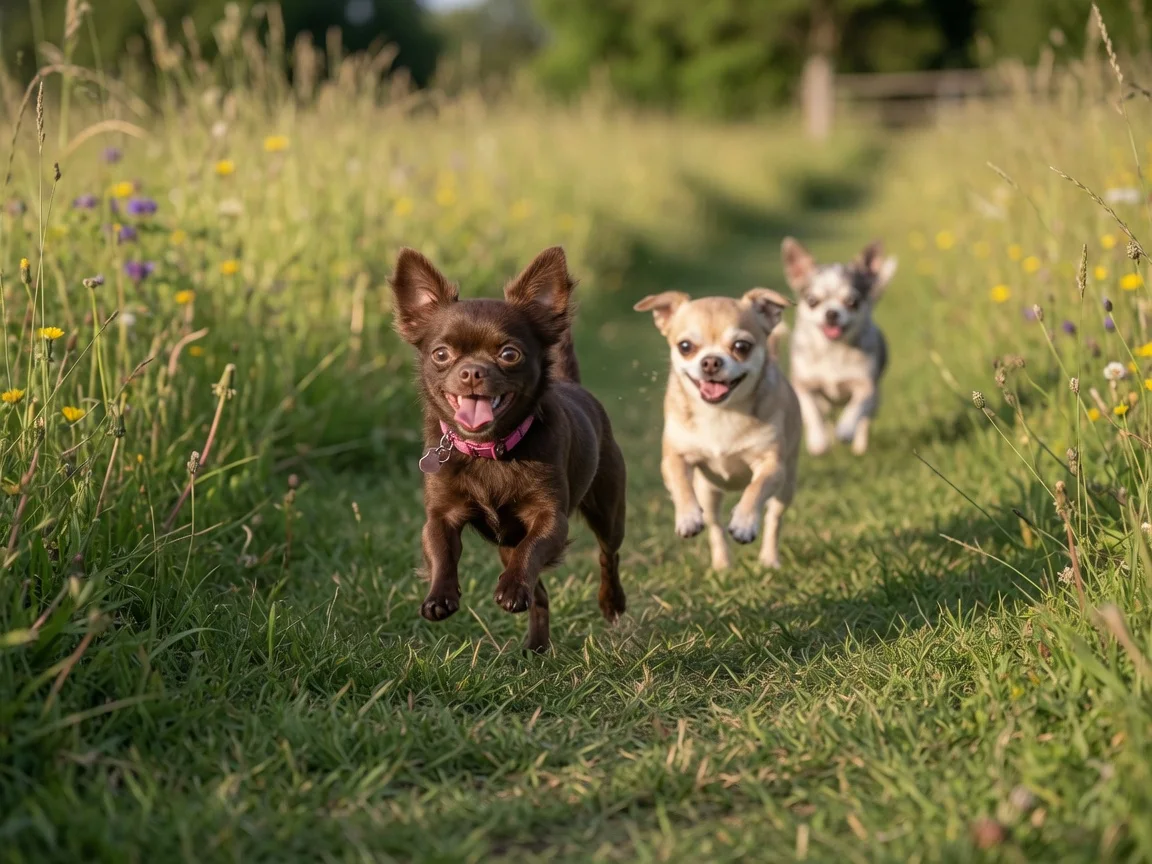
Denver's races, and the objection to them
In Denver the races are one contest inside a far larger event. The city's Cinco de Mayo festival ran May 2 and 3, 2026 at Civic Center Park under NEWSED Community Development Corporation, with organizers expecting at least 200,000 attendees and peak years drawing as many as 400,000, Westword reported on May 1, 2026. Andrea Barela, president and chief executive of NEWSED, told the paper that construction in the park would not shrink the program: "We're not scaling it down in any way because of the renovations."
The same report carried the counterargument. Amy Bousquet, a special projects manager at People for the Ethical Treatment of Animals, asked organizers to cancel the dog races on the grounds that loud crowds stress animals, and offered robotic dogs as a replacement. Organizers kept the races on the schedule. The disagreement is not about speed. It is about noise, handling, and what several hundred strangers at close range feel like to a four-pound dog, a reasonable thing to weigh before entering and the question underneath our guide to socializing a chihuahua.
What entering actually involves
The mechanics are simple. One person holds the dog at the line, a second calls from the finish, and the dog runs, wanders, or sits down. The preparation that matters is heat and crowd management rather than training. These events run outdoors in early May in the middle of the afternoon, and the American Veterinary Medical Association's warm-weather guidance is specific: avoid hot surfaces such as asphalt, which can burn paw pads, skip exercise during the hottest part of the day, and provide unlimited fresh water and access to shade.
The AVMA lists restlessness, excessive panting or drooling, unsteady movement, abnormal gum or tongue color, and collapse as signs a pet needs emergency veterinary care, and notes that overweight dogs and short-nosed breeds carry higher warm-weather risk. The small-dog version of the same math is in our temperature guide.
Two checks belong on the pre-race list. A dog with a diagnosed knee problem should not be sprinting on cue, and patellar luxation is common enough in this breed that a veterinary opinion before race day is reasonable. A dog that finds crowds frightening will not enjoy a packed pier, however short the track. Raw speed is rarely the limiting factor, as our piece on how fast chihuahuas run explains.
The sanctioned alternative
Owners who want a measured version of the same idea have one. The American Kennel Club's Fast CAT is a timed 100-yard dash in which dogs run one at a time chasing a lure. It is open to all dogs at least twelve months old, purebred and mixed breed alike; an inspection committee examines each entrant for lameness and fitness to compete; and females in season may not enter.
The scoring favors small dogs, because the AKC applies a handicap multiplier of 2.0 to dogs measuring under twelve inches, then awards titles at 150 points (BCAT), 500 points (DCAT), and 1,000 points (FCAT). A chihuahua will not out-sprint a whippet. She can still finish with letters after her name, which is the same appeal running through our beginner's guide to chihuahua dog shows.
Frequently asked questions
Are chihuahua races safe for the dogs?
The distances are short, and the risk sits in the setting rather than the sprint: heat, hot surfaces, and crowd stress. Follow the AVMA's warm-weather rules, skip the day if the forecast is hot or your dog is anxious around strangers, and treat a knee, heart, or breathing history as a reason to ask a veterinarian first. PETA's position, reported by Westword in May 2026, is that the events should be replaced outright.
How do I enter a chihuahua in one of these races?
Register through the organizer, usually weeks ahead. Washington's Running of the Chihuahuas charged $30 per dog in 2026 and filled before race day, leaving a waitlist with no guarantee of a start. Denver's races appear on the Cinco de Mayo festival's contests page with online registration. Vaccination proof, leash rules, and size classes vary by event.
Do the races raise money for anything?
At the Wharf, yes: race proceeds go to Rural Dog Rescue, and Hill Rag reported more than $15,000 raised for animal charities across the event's first decade. Not every chihuahua race is a fundraiser, so check the stated beneficiary before assuming an entry fee reaches a rescue. The shelter pressure behind that model is the subject of our piece on why so many chihuahuas end up in shelters.
The sport, if it counts as one, is sixty feet long and largely an excuse: for a rescue group to get a table, for a few hundred people to look at small dogs on purpose, and for one owner a year to explain a photo finish. That is a defensible use of a Saturday in May, provided the pavement is cool, the dog is sound, and somebody is willing to call the whole thing off if she would rather be home.

No comments yet
Leave a comment